
A rip current does not pull you under. It is a narrow band of water moving back out to sea, which is why a calm-looking gap in the waves is not always the safest place for beginners. Rip current safety comes down to reading one from the sand and knowing what to do if you are in it, and it is taught early at a surf camp in Bali.

What a Rip Current Is

Water pushed towards the beach by breaking waves has to return somewhere, and it returns fastest through the deepest gap.
Water Finding Its Way Back Out
Every wave carries water shorewards. That water builds up until it finds a lower or deeper route back, and the flow it creates runs out through the surf rather than along the beach.
Why It Feels Stronger Than You
A rip current can move faster than most people can comfortably paddle against for long. It does not drag you down; it carries you seawards, and the danger comes from exhaustion rather than depth. That is the first thing explained at a surf camp in Bali.
How to Recognise One From the Beach
Rips are easier to see from higher ground and before you are in the water, which is the argument for arriving early.
A Gap in the Breaking Waves
Look along the beach for a stretch where waves are not breaking while they break on both sides. Experienced surfers sometimes use that deeper water when paddling out through the whitewater, though as a beginner, it is best avoided.
Churned or Discoloured Water
Sand stirred up by moving water often makes a rip look browner or murkier than the water beside it. The surface can also look rippled or choppy in an otherwise clean stretch.
Foam and Debris Moving Outwards
Watch a patch of foam, seaweed, or anything else floating on the surface. If it travels steadily away from the beach rather than washing in, you are looking at the current itself.
What to Do If You Are Caught
Being caught is common and survivable, provided the first response is not instinctive. A surf camp in Bali covers it early.
Stay With Your Board
Your board provides flotation and visibility, making it the most useful thing you have with you. Hold on to it and let it keep you on the surface while you work out where the water is taking you.
Do Not Paddle Straight Back
Paddling directly at the beach means paddling against the fastest part of the flow. Even strong surfers lose that contest, and the effort is what turns an inconvenience into an emergency.
Move Across the Current First
Paddle parallel to the beach until you are outside the strongest part of the current, then turn and use the breaking waves to help you back in. Rips are usually narrow, so a short distance sideways is often enough.
Signal If You Need Help
Raise one arm and wave if you are tired or cannot get back. Surfers, lifeguards, and anybody watching from the sand understand that signal, and asking early is far better than asking late.
How to Lower the Risk Before You Enter
Almost all of this is avoidable, because a rip you have already spotted is simply part of the beach you do not enter.
Watch the Water First
Give yourself a few minutes on the sand before every session rather than only on the first day. Sandbanks shift along the Canggu coast, so the safe entry point yesterday may not be the safe one today.
Surf Where Other People Are Surfing
A cluster of surfers usually marks the peak and the more predictable water. An empty stretch beside a busy one is worth questioning rather than enjoying.
Ask Somebody Who Knows the Beach
Coaches, lifeguards, and local surfers know where the water moves at that beach on that tide. A surf camp for beginners in Bali usually chooses the entry point for you, and asking costs nothing anyway.
Common Questions About Rip Currents
How do you spot a rip current from the beach?
Look for a gap where waves are not breaking, water that looks darker or churned, and foam moving steadily out to sea. Watching for a few minutes shows far more than a single glance.
What should you do if you are caught in a rip current?
Stay with your board, do not paddle straight at the beach, and move parallel to the shore until the pull stops. Then turn and use the breaking waves to help you back in.
Do rip currents pull you underwater?
No. They carry you away from the beach, usually near the surface. The real risk is exhaustion from fighting the flow rather than anything dragging you down.
Are rip currents dangerous for surfers?
They are often easier for surfers to manage than for swimmers because a surfboard provides flotation and visibility. They still deserve respect, particularly on bigger days.
Do surfers use rip currents to paddle out?
Experienced surfers often do, because the deeper water offers an easier route out past the break. It relies on knowing the beach well, so it is not a beginner technique.
Are there rip currents on Bali beaches?
Yes, as on most surf coastlines. Conditions vary by beach and by tide, which is why coaching at a surf camp in Bali includes guidance on where to enter the water.
Learning the Water Is Part of Learning to Surf
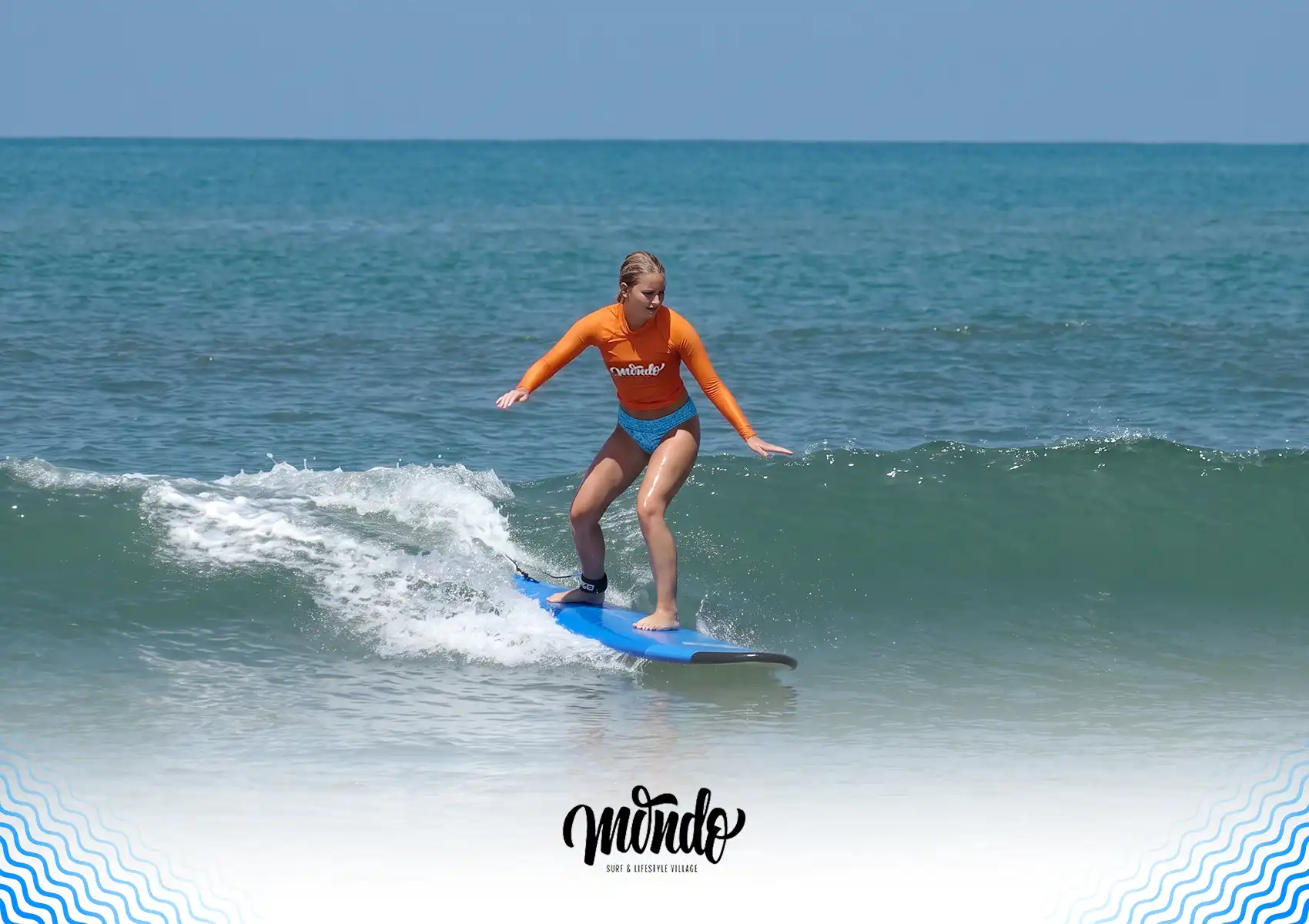
Reading a beach is a skill like any other, and it arrives faster with somebody experienced beside you. Coaching at a surf camp in Bali covers where to enter, when to wait, and how the water moves at each spot, alongside the surfing skills you build in every session. Start your surfing journey with Mondo Surf Village.