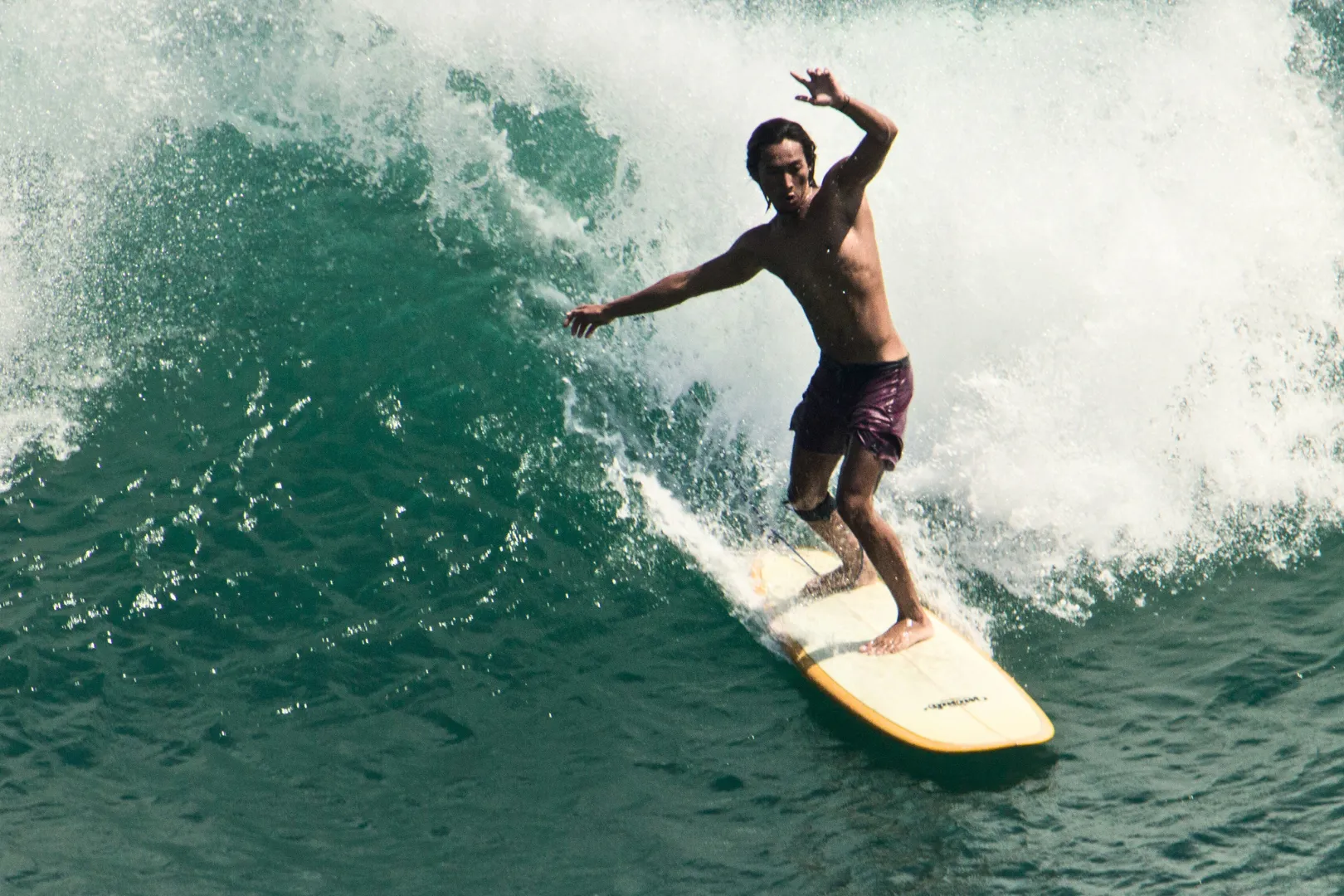
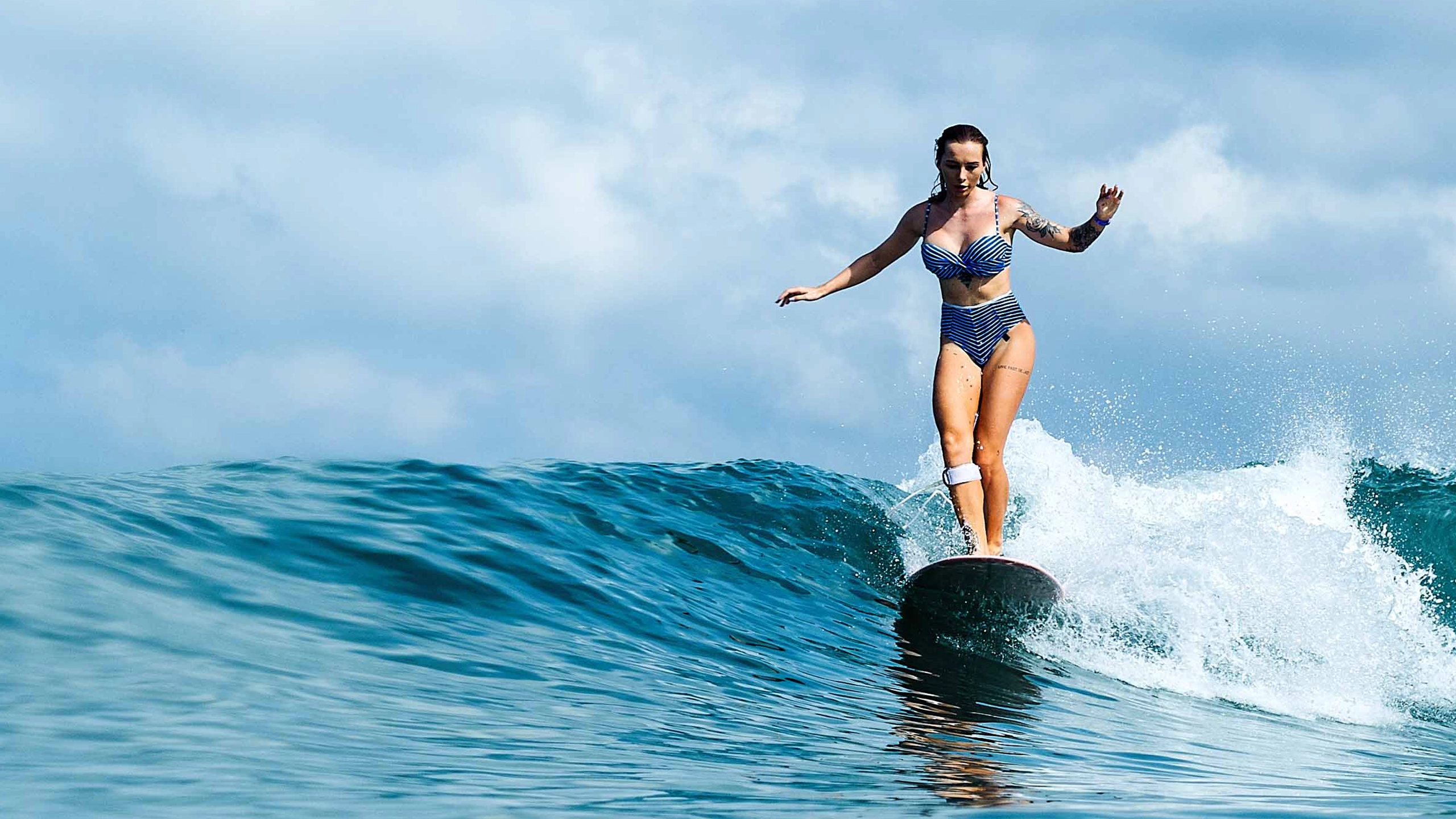
Embarking on a longboard surf adventure in Indonesia is a dream for riders seeking grace and flow. Bali is world-renowned for its diverse coastline, but the long, peeling rollers truly define the island for those who prefer more foam under their feet. When planning a longboard surf trip to Bali, you must consider how local conditions differ from your home breaks.
The combination of consistent Indian Ocean swells and warm tropical water creates a unique environment where your equipment choice determines the quality of your session. Finding the perfect longboard surf setup requires a balance of stability for the take-off and enough manoeuvrability to navigate the shifting peaks of the Bukit or the mellow walls of Canggu.
Choosing the right equipment is just the first step in your journey. Beyond the board, understanding the local environment and the benefits of a structured learning setting can significantly speed up your progress and help you enjoy the Balinese coastline to the fullest.
Why Bali is a Paradise for Longboarding
Bali offers a variety of breaks that seem almost tailor-made for longer boards. While the island is often associated with the heavy barrels of Uluwatu, it also has an equally impressive side to its surf culture that celebrates the art of the glide. From the southern peninsula to the black sand beaches of the west, longboarders will find an endless supply of playful, chest-high walls that allow for minutes-long rides and classic footwork.
Understanding Bali’s Wave Character
The waves in Bali are predominantly generated by deep water swells that hit the reefs and sandbars with incredible consistency. Unlike the short, erratic wind swells found in many other parts of the world, Bali offers long, peeling rollers that give a longboarder plenty of time to set their line. However, riders must distinguish between the mellow beach breaks and the steeper reef breaks. While beach breaks offer a forgiving arena for learning, the reef breaks require more precise positioning and a board that can handle a bit more speed without sliding out.
Buoyancy also plays a subtle but vital role in how waves feel here. In the tropics, you are likely surfing in just boardshorts or a bikini. Without the weight and restriction of a thick neoprene wetsuit, you will find your paddle power is naturally enhanced, allowing you to catch waves much earlier than you might be used to in colder climates.
The Benefits of a Surf Camp Bali Experience
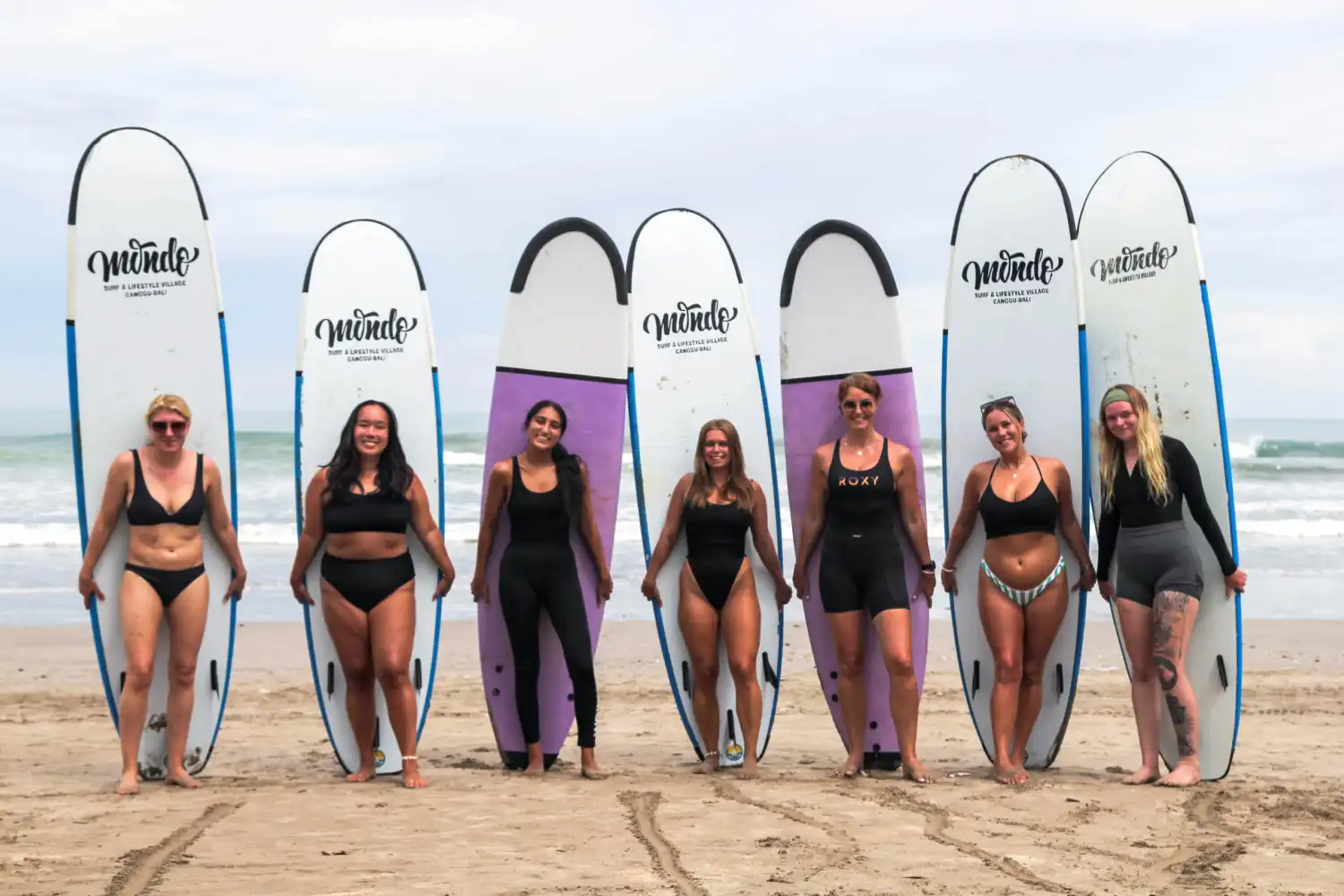
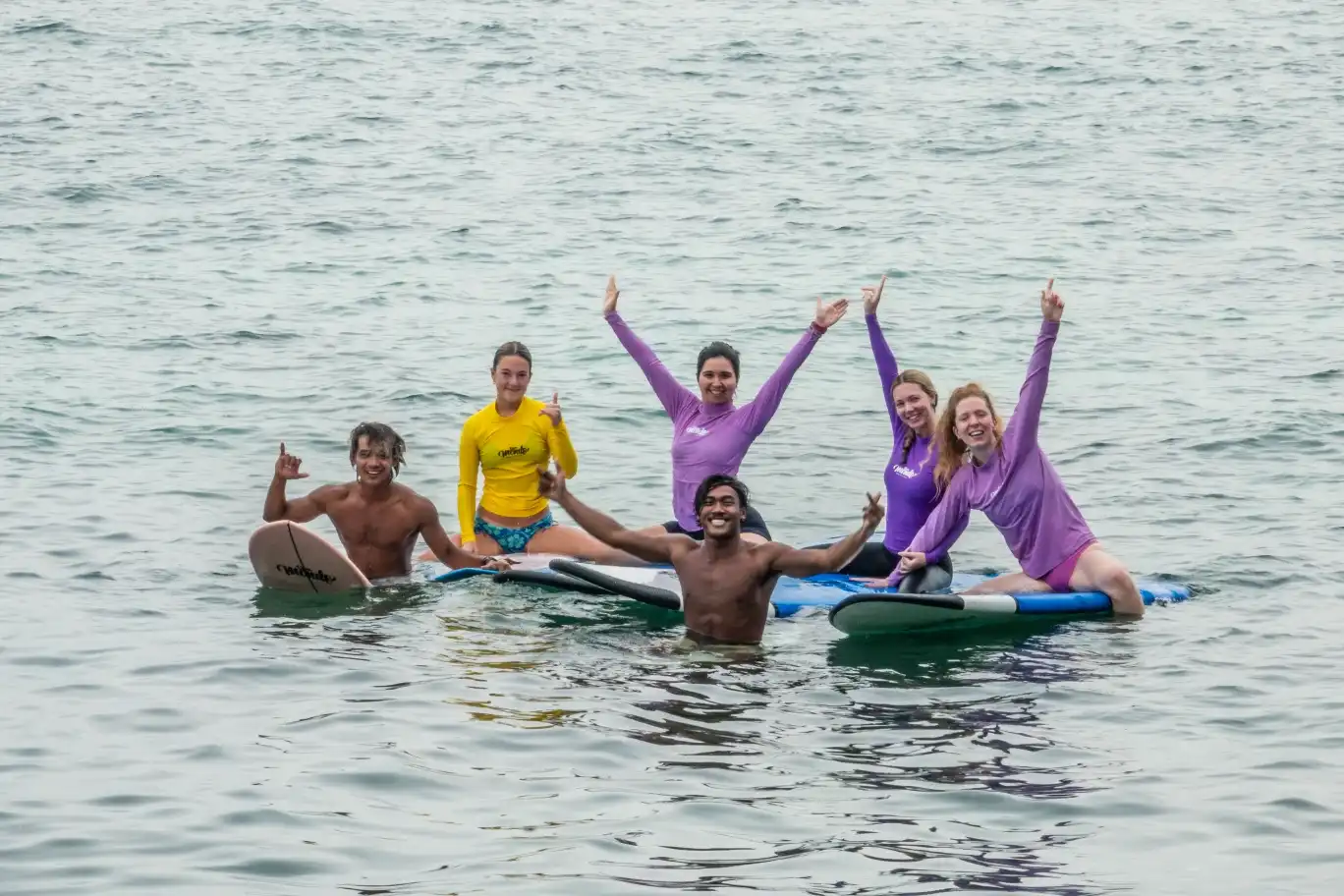
For many travellers, booking a surf camp stay in Bali is the most efficient way to immerse themselves in local culture while improving their skills. Camps provide more than just a bed; they offer a community of like-minded individuals and, perhaps most importantly, expert local knowledge. Staying at a dedicated surf camp bali like Mondo Surf Village gives you access to a curated quiver of boards, meaning you can test different shapes and sizes throughout your stay without the hassle of transporting a massive board bag across the globe.
How to Choose a Longboard Surfboard for Tropical Conditions
When learning how to choose a longboard surfboard, you must look beyond the aesthetics and focus on the technical specifications that match the environment. Bali’s warm water and specific wave energy mean that a board that works well in California or Cornwall might feel slightly different here. You want a shape that complements the push of the Indian Ocean while remaining easy to turn in the crowded lineups.
Volume and Buoyancy in Warm Water
Volume is your best friend when surfing in the tropics. Because you are not wearing a wetsuit, your body sits slightly higher in the water, but you still need enough foam to overcome the initial inertia of a fast-moving swell. When choosing a longboard for Bali waves, many surfers find that a bit of extra width in the nose helps with stability during the paddle, while a slightly thinned-out tail allows for better control once you are standing up.
Considering Your Skill Level
Your current ability should be the primary driver behind your board choice. Longboards for beginners should prioritise maximum stability and easy wave entry. A wide, thick board with a rounded nose will give a novice the confidence to pop up and find their balance. For those in the intermediate progression phase, moving toward refined rails and more complex tail shapes (such as a squash or pin tail) will allow for more aggressive turns and the ability to start exploring the green part of the wave with more control.
Different Types of Longboards and How They Perform
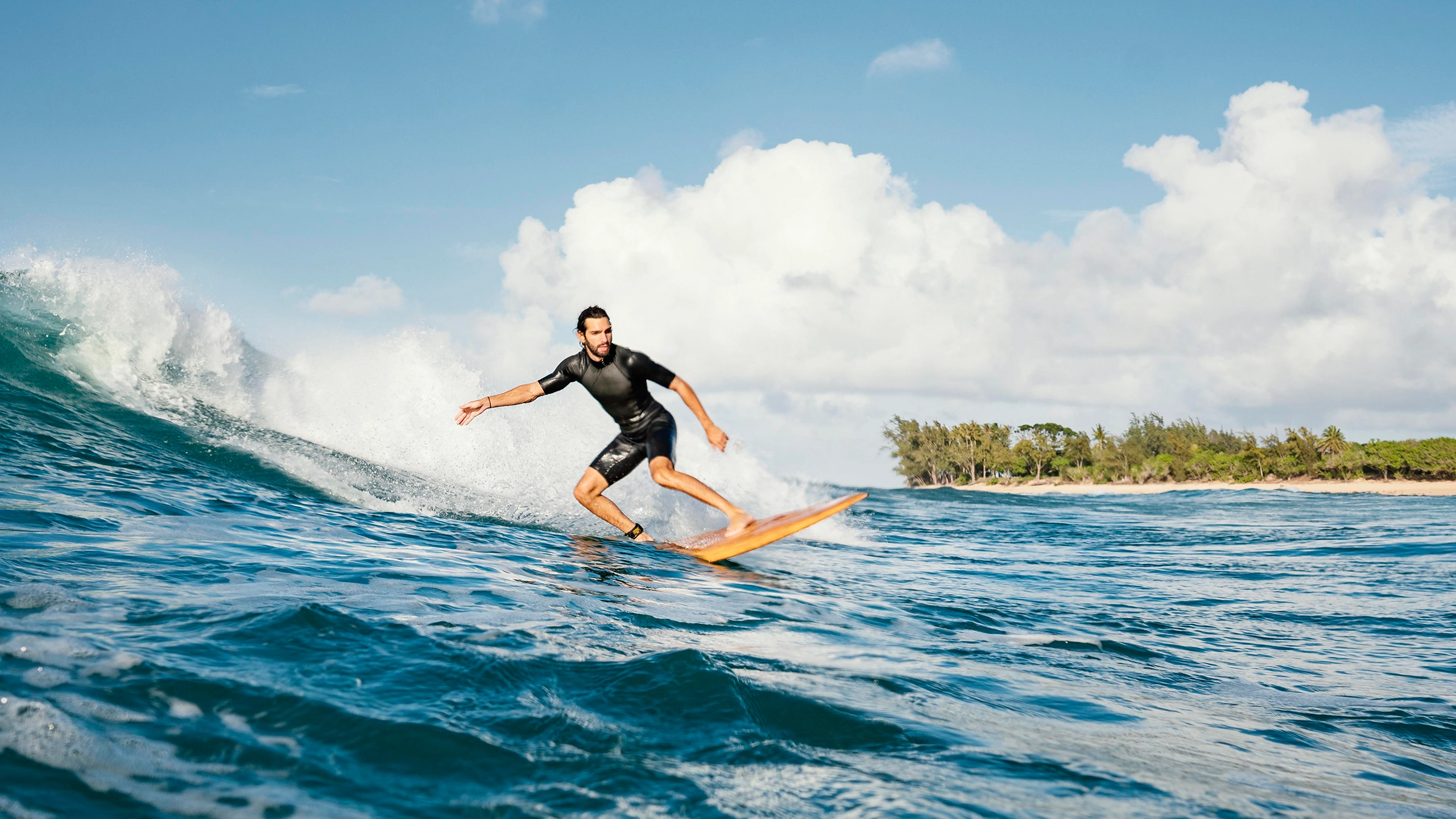
Not all longboards are created equal. The bottom contour, fin setup, and rocker profile all dictate how the board will react in the water. Understanding these different types of longboards is key to matching your equipment to the specific Bali break you plan to surf.
The Traditional Log (Single Fin)
The traditional log is the quintessential choice for those who love the soul surf style. These boards usually feature a single large fin and a heavy glass job, providing immense momentum and a smooth, stable ride. They are the best choice for nose riding and performing classic cross steps. This board style is absolutely ideal for spots like Batu Bolong or Medewi, where the wave stays open and slow for a long time.
Performance Longboards (2+1 Setup)
If you prefer a more modern approach, a performance longboard with a 2+1 fin setup (one large centre fin and two smaller side bites) might be the answer. These boards are generally lighter and have more rocker, which provides better manoeuvrability and faster rail-to-rail transitions. They are highly suitable for faster, steeper beach breaks where you need to make quick adjustments to stay in the pocket of the wave.
Soft Top Longboards
Do not let the ‘beginner’ label fool you; modern soft-top longboards are incredibly fun and surprisingly functional. They are the safest choice for those just starting their journey, as the soft exterior minimises the risk of injury during a wipeout. They also offer incredible buoyancy, making it nearly impossible to miss a wave once you have found your rhythm.
Best Longboard Surf Spots Near Mondo Surf Village
The area surrounding Canggu is a literal playground for longboarders. Depending on the tide and the swell direction, you can find a variety of peaks that cater to different styles of riding, all within a short distance of the camp.
Batu Bolong (Canggu)
Commonly referred to as the mecca of longboarding in Bali, Batu Bolong is famous for its slow, playful walls that seem to crumble perfectly for hundreds of metres. It is the best place to practice your footwork and enjoy a sunset session with dozens of other longboard enthusiasts. The wave is forgiving and deep, making it a safe haven for all levels.
Pererenan and Kedungu
For those looking to escape the main hustle of Canggu, Pererenan and Kedungu offer mellower peaks that provide long rides away from the main crowds. Pererenan can be a bit faster and more technical, while Kedungu offers a stunning backdrop of cliffs and rice paddies with a very relaxed atmosphere that is perfect for a morning glide.
Medewi (The Longest Left)
Located a few hours’ drive from the main tourist hubs, Medewi is a must-visit for any longboard enthusiast staying in Bali. It is a boulder bottom point break that produces the longest left-hand wave on the island. On a good day, you can ride a wave for over thirty seconds, making it the ultimate test of your endurance and style.
Top Tips for Your Bali Longboard Trip
Preparing for a trip with a large board requires a bit more logistics than travelling with a shortboard. From airline regulations to the right wax, being prepared will ensure you spend more time in the water and less time dealing with gear issues.
Dealing with Domestic Travel Limits
f you plan to explore other islands, such as Lombok or Sumbawa, be aware of domestic travel restrictions. Most small planes used for inter-island hops have a 300cm rule for carry-on bags. Since many longboards exceed this length, it is often easier to rent a board at your destination or arrange for boat transport if you are determined to bring your own log.
Essential Gear for Longboarders
The tropical sun is intense, so high-quality zinc and sun protection are non-negotiable. Additionally, make sure you use tropical-grade wax, as standard cool-water wax will simply melt off your board in minutes. For longboarders, a specific longboard leash (usually a knee or calf leash) is often preferred as it prevents you from tripping over the cord while walking to the nose.
Conclusion
Choosing the right equipment is the foundation of a successful Bali trip. Whether you are a beginner looking for your first glide or an experienced logger wanting to hang ten on a world-class point break, Bali has a wave for you. By understanding the nuances of board volume, fin setups, and local wave character, you can transform your experience from a simple holiday into a true surfing progression. If you are ready to start your journey in a supportive and beautiful environment, come and join our longboard surf community at Mondo Surf Village, where the waves are warm, and the vibes are always high.