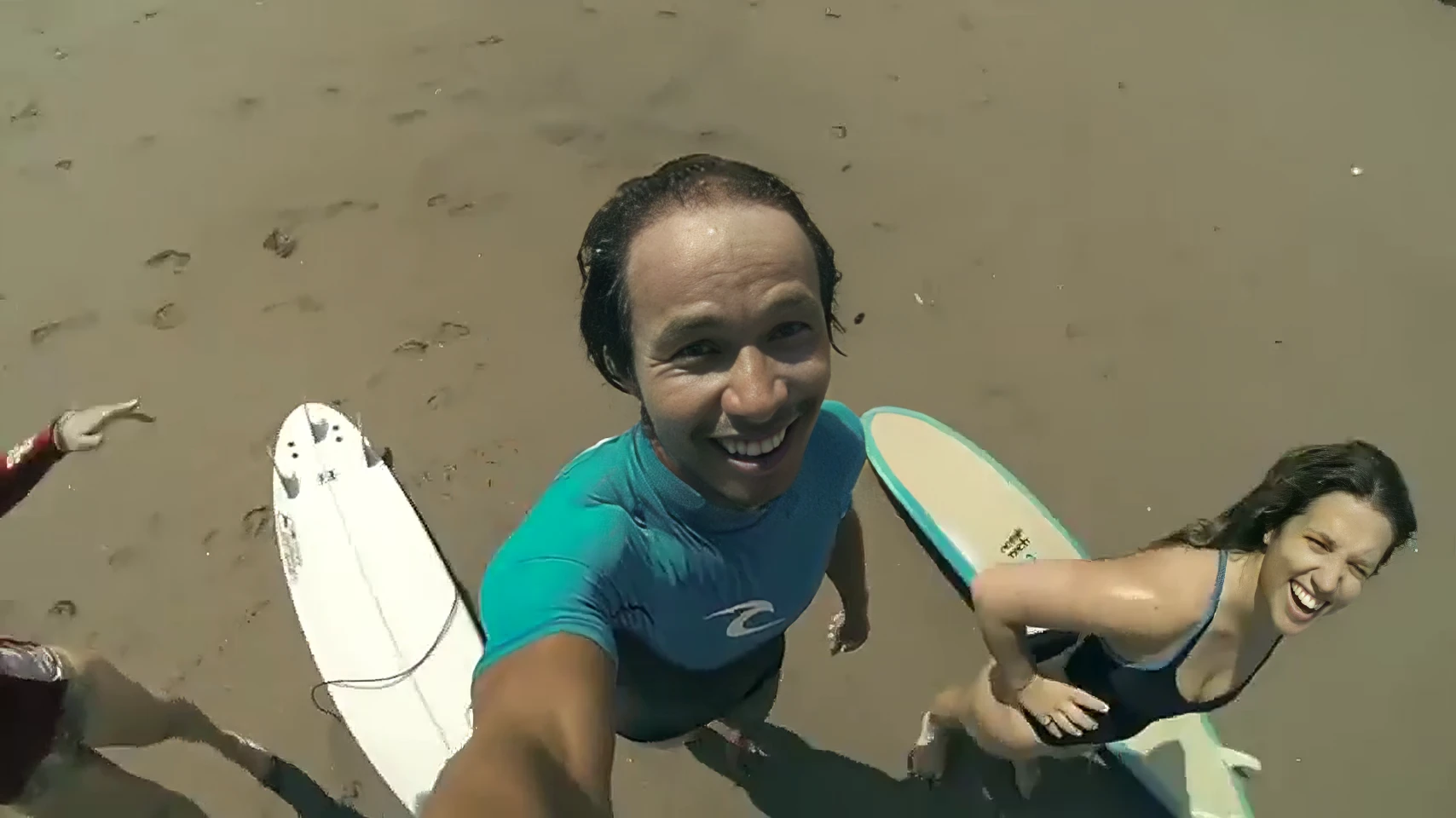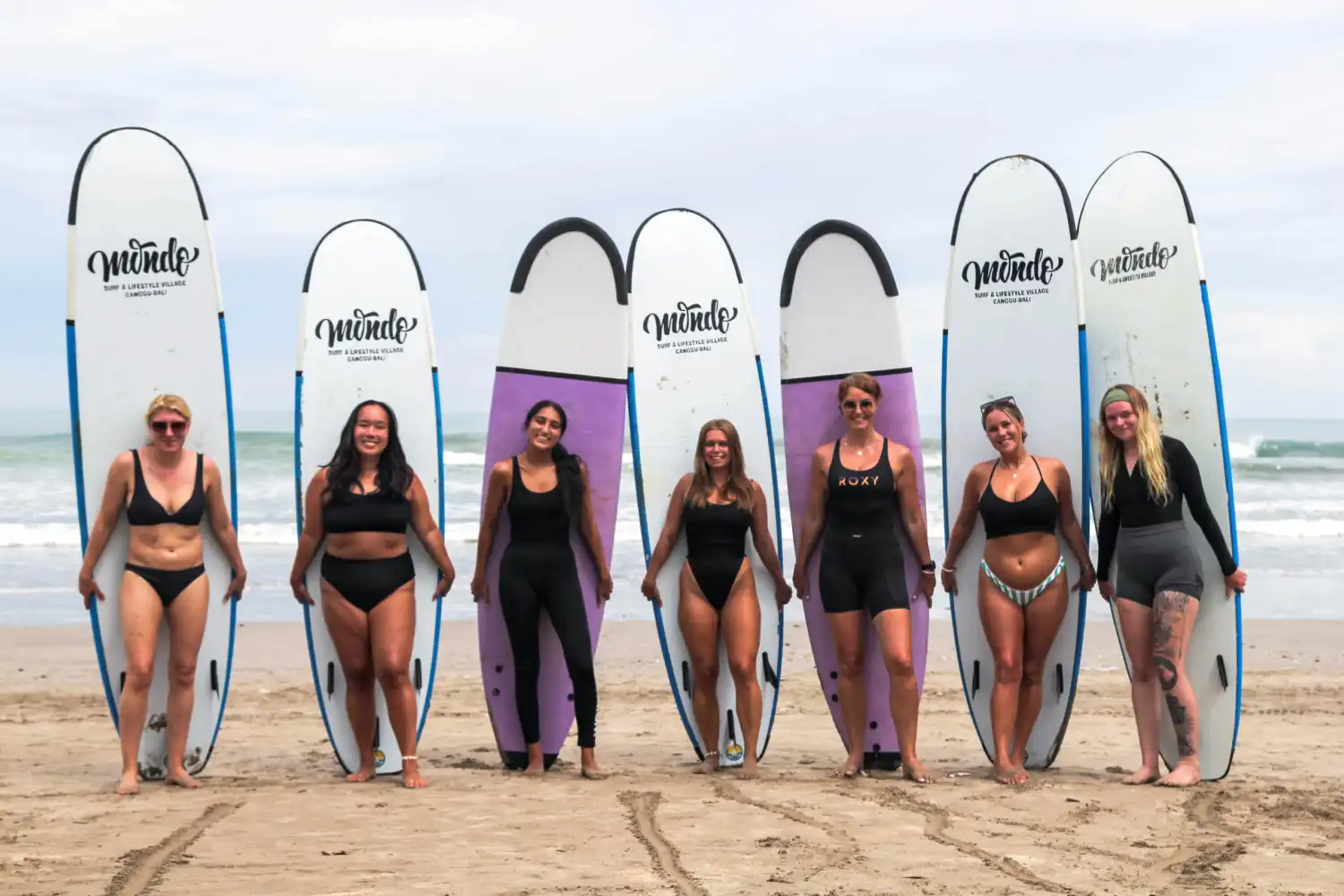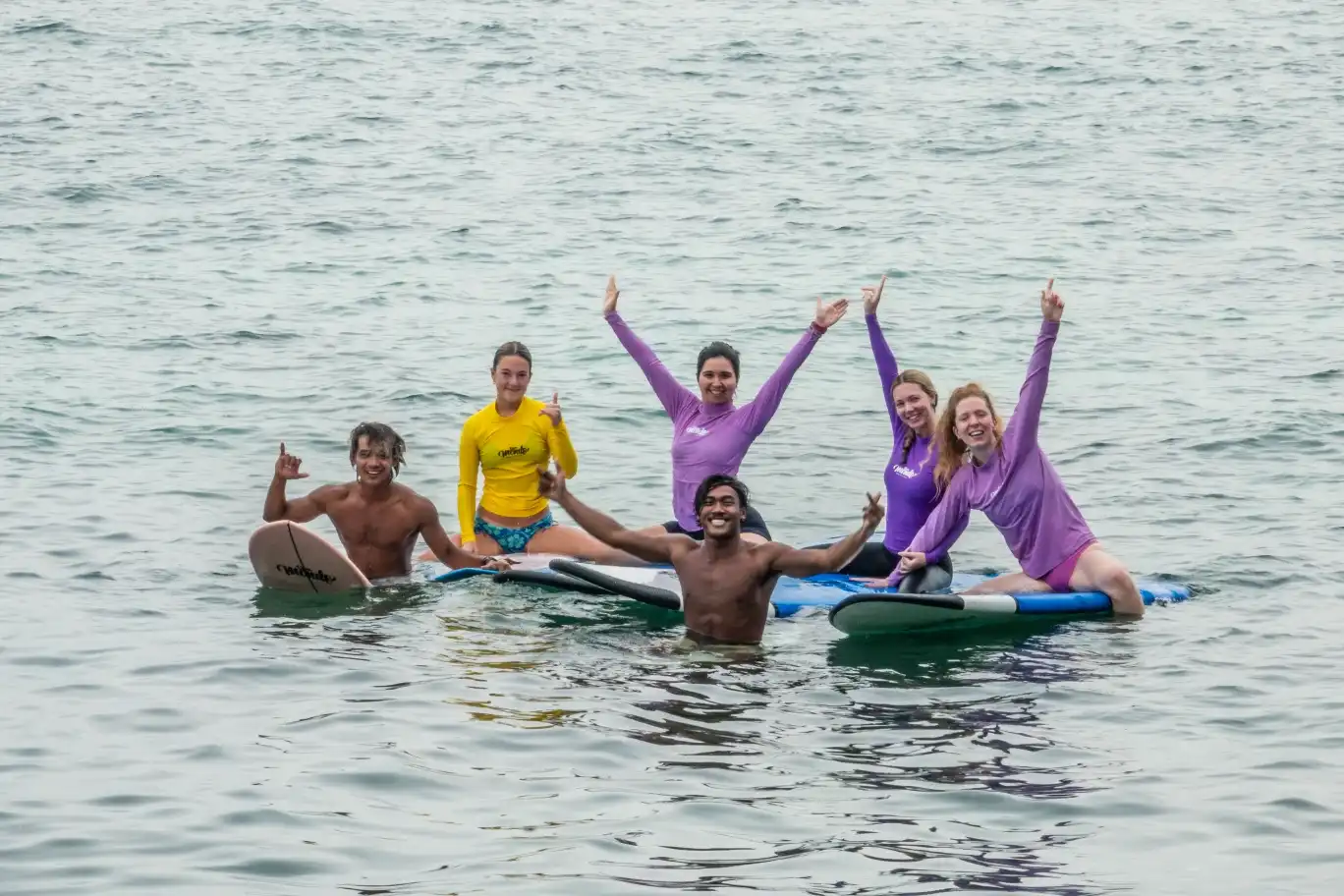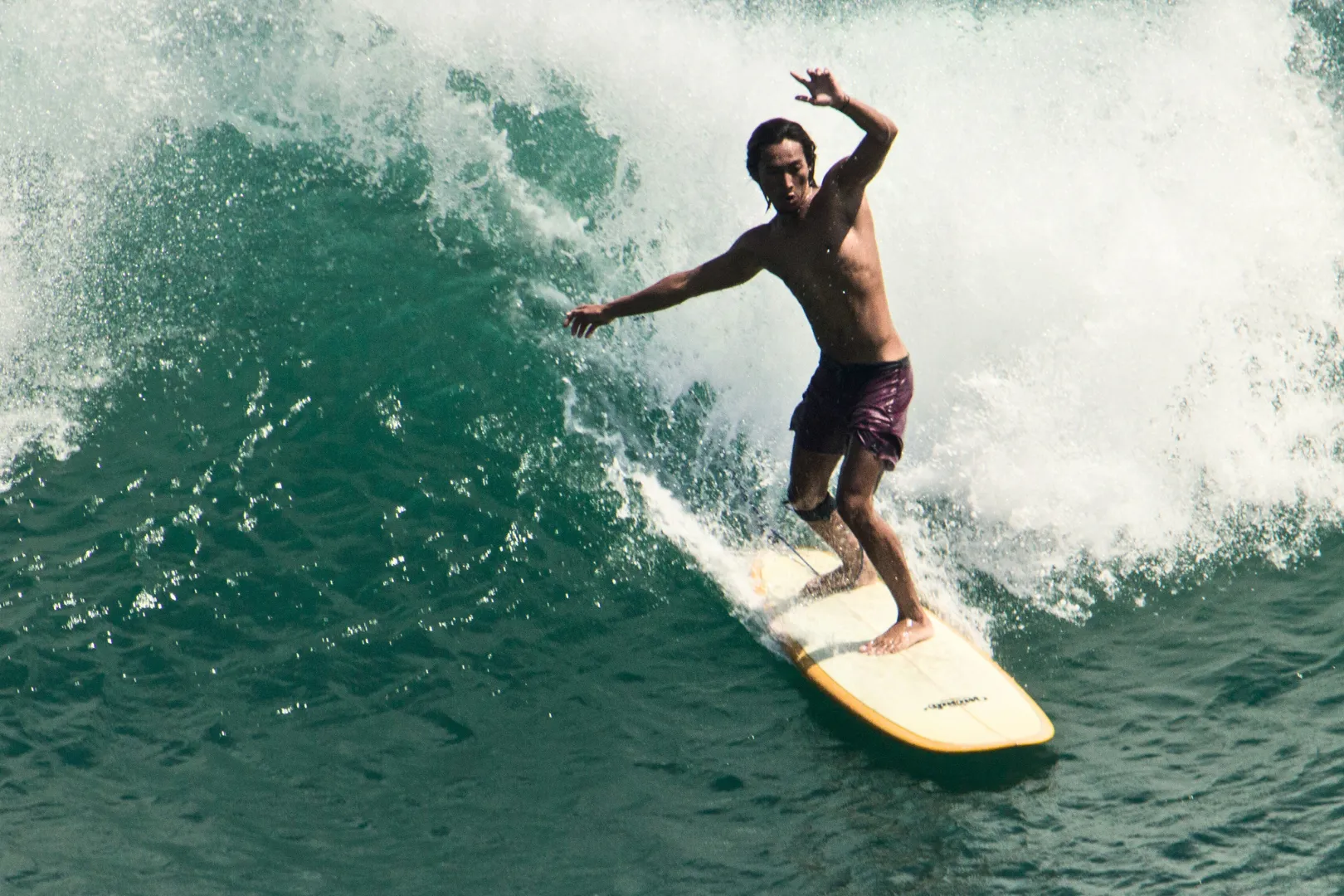
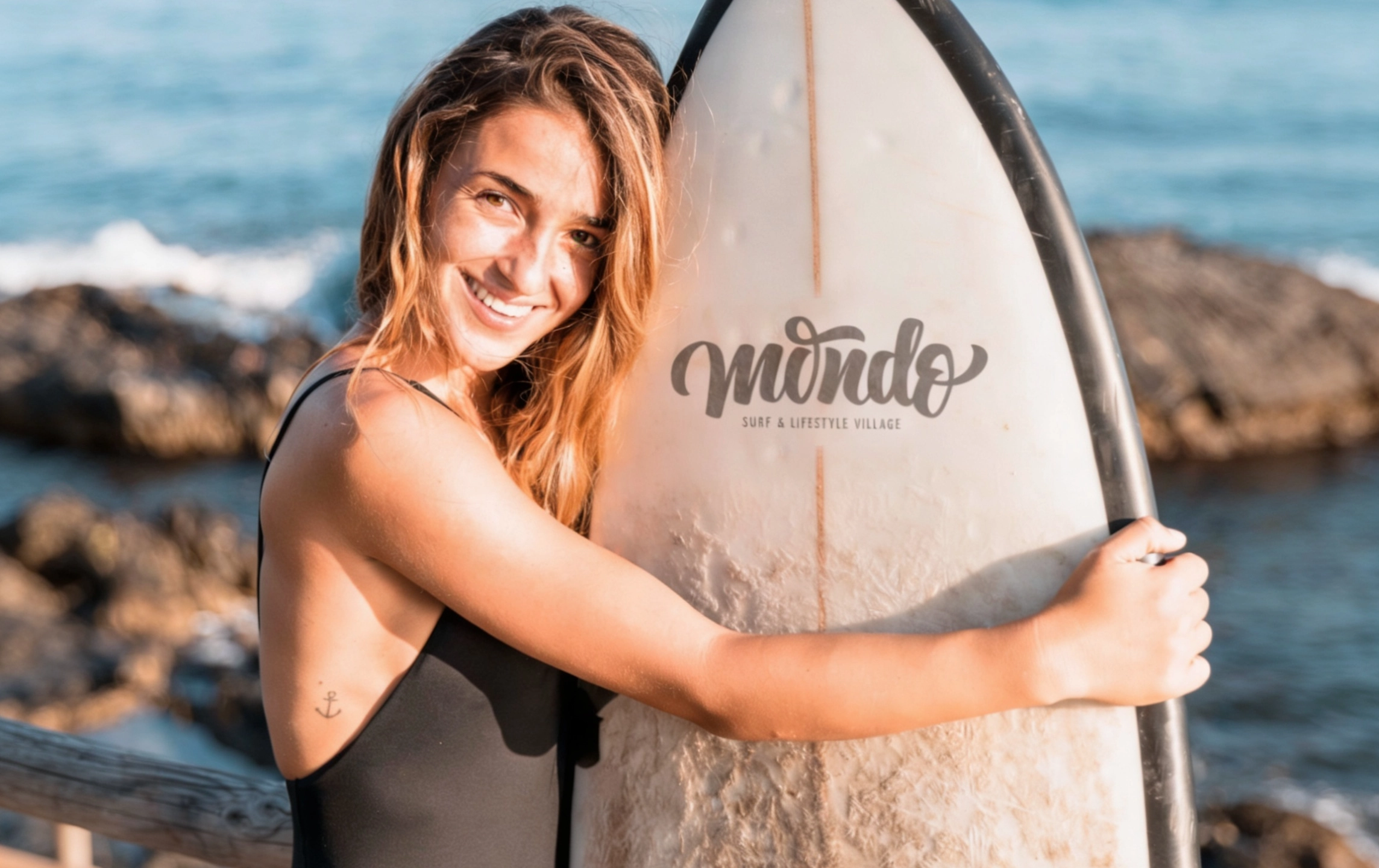
Imagine wading into the Indian Ocean at dawn without wrestling your way into a heavy, suffocating wetsuit. Bali’s year-round tropical water provides a massive thermal advantage for beginners, allowing your muscles to stay warm, relaxed, and focused entirely on the fun ahead. This incredibly welcoming environment is exactly why booking a Bali surf camp holiday has become the ultimate bucket-list adventure for travellers worldwide.
Perhaps you are worried that you are too old or out of shape to start now. Put those fears aside immediately. According to recent surf industry tourism data, adults in their thirties, forties, and beyond actually make up the largest group of first-time wave riders globally. You do not need to be a professional athlete to enjoy the water; if you can do a few basic push-ups, you have enough strength to paddle out.
Think of these immersive retreats as a ski chalet for the ocean. An all-inclusive package simplifies your entire trip by bundling your cozy room, customised gear, and expert instructors into one stress-free experience. Trying out surfing in Bali this way completely removes the intimidating guesswork of navigating foreign beaches and unknown tides alone.
Setting realistic expectations for a week-long stay is the true secret to an unforgettable trip. Your primary goal is not to perform acrobatic turns, but rather to safely learn the pop-up-the smooth motion of transitioning from your stomach to your feet-while laughing with new friends. Welcome to the perfect balance of gentle adrenaline and tropical relaxation at Mondo Surf Camp.
How a Surf Camp Saves You $300 and 10 Hours of Planning Compared to a Surf School
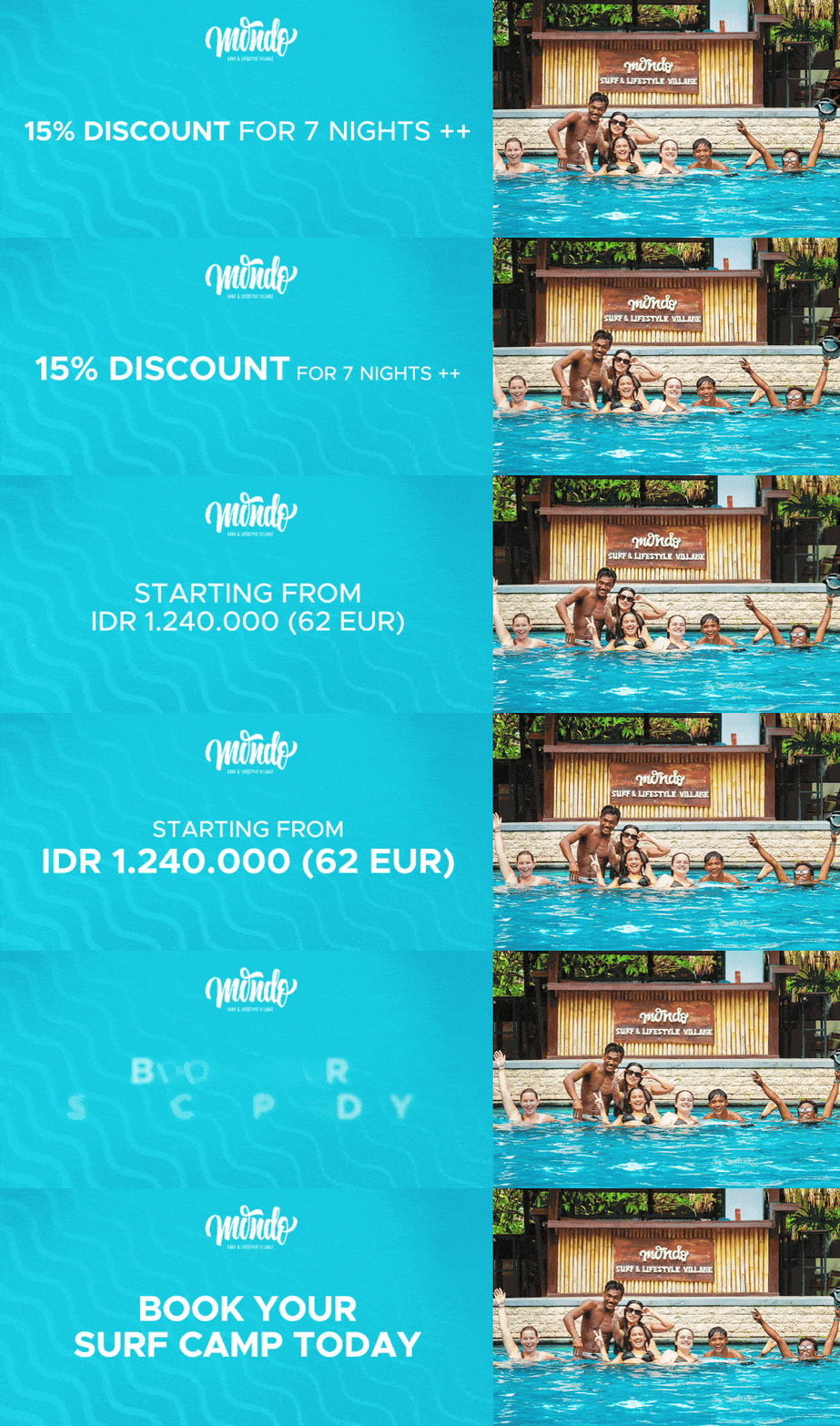
Piecing together a Bali itinerary sounds fun until you’re negotiating taxi fares while awkwardly carrying a giant foam surfboard. The primary surf school vs surf camp differences come down to logistics and unexpected fees. A single, à la carte lesson looks cheaper upfront, but it often excludes hidden costs like accidental board insurance, protective wet-shirt rentals, and daily beach transport.
Opting for affordable all-inclusive surf packages transforms your holiday from a stressful puzzle into a seamless retreat. Breaking down a typical week reveals the real value:
- DIY Route: Boutique hotel, daily scooter rental, separate daily lessons, and gear insurance ($750+)
- Camp Route: One combined package handling your bed, boards, transport, and expert guidance ($450+)
Beyond your budget, full camps provide accelerated learning tools like video analysis. Rather than guessing why you fell in the water, you will watch footage of your actual ride back at the villa. Seeing your own stance on a screen is the absolute fastest way to correct wobbly feet and improve your balance before the next session.
The ‘Day in the Life’ Blueprint – From Sunrise Papayas to Sunset Pop-Ups
Waking up before the rest of the island might sound tiring, but at a Mondo Surf Camp, it unlocks perfect ocean conditions. You will capitalise on the morning swell window when offshore winds-gentle breezes blowing from the land out to the sea-hold the breaking waves up smoothly, making them incredibly easy for beginners to catch. Your daily rhythm beautifully balances adrenaline with deep relaxation:
- 6:00 AM: Fresh papaya and local coffee
- 7:00 AM: First guided ocean session
- 12:00 PM: Group lunch and pool recovery
- 3:00 PM: Class utilising video analysis for surf technique improvement
- 8:00 PM: Family-style communal dinner
Out in the water, your primary physical goal is mastering the pop-up. Think of this crucial manoeuvre as a dynamic push-up that lands you squarely on your feet. Rather than slowly climbing onto your knees-which makes the surfboard wobble uncontrollably-instructors teach you to plant your hands, arch your chest, and spring upward in one fluid, confident motion.
Trading stories over massive plates of local food makes evening group meals just as rewarding as your athletic milestones. You will laugh about those wobbly first waves with fellow travellers sharing your exact skill level.
Picking Your Peak – Why Canggu’s Sand Beats Uluwatu’s Reef for Beginners

Beneath the surface of the ocean lies your first major decision. A “break” is simply what causes a wave to crash, with Bali offering both beach and reef variations. Sandy beach breaks provide incredibly forgiving landings for inevitable wipeouts, creating the best beginner surf spots in Canggu. Conversely, reef breaks crash over shallow coral; while sounding intimidating, they actually produce highly predictable waves that are surprisingly safe when navigated with an experienced instructor.
Catching a “Green Wave”-the smooth, unbroken face of the water before it turns into white foam-is an exhilarating beginner milestone. Conquering this requires maximum stability, so camps start you on buoyant longboards instead of tricky shortboards. If you dream of cruising these gentle swells, consulting a Medewi longboard waves guide reveals where to find the island’s famously long, smooth rides perfectly suited for these larger boards.
The “lineup” serves as the ocean’s waiting area where surfers gather between sets. This bustling zone relies on lineup etiquette, which involves unspoken sharing rules dictating who takes the next wave to prevent collisions. Your instructors handle this complex navigation entirely, safely positioning you away from aggressive crowds. Later, adventurous learners might join guided surf tours Bukit Peninsula style to comfortably watch advanced locals navigate dramatic southern cliffs.
Every neighbourhood in Bali offers a unique vibe, allowing you to completely tailor your holiday from bustling beach towns to quiet villages. Securing these ideal learning conditions, however, depends heavily on aligning your arrival with the local weather patterns.
Surfing by the Calendar – Navigating the Bali Dry Season vs. Wet Season
Picking the right month can make or break your time in the water. The Indian Ocean blesses the island with 90% swell consistency, meaning there are almost always waves to catch. However, the secret to smooth, easy-to-ride beginner waves lies in “Tradewinds.” These steady, predictable seasonal breezes dictate wave quality. Optimal Bali dry season surfing conditions occur when these winds blow from land to ocean, keeping the wave faces clean rather than crumbling them into messy, difficult chop.
Because these winds completely reverse direction halfway through the year, reputable surf camps simply relocate their daily lessons to the opposite shoreline to guarantee the safest learning environments:
- May to October: West Coast spots like Canggu shine during the dry season.
- November to April: East Coast areas like Sanur light up during the wet season.
Target the “shoulder season”-the transitional months of March, April, September, and October-for the ultimate balance of value and empty beaches. Camps cost significantly less, and thinner crowds create the perfect environment to eventually try intermediate surfing lessons Uluwatu style, where smaller seasonal waves make famous reefs highly approachable.
The Essential Bali Packing List: Why You Need 1mm Neoprene and ‘Pink Zinc’
Unlike freezing coastal waters elsewhere, Bali’s ocean feels like a warm bath. Figuring out what to pack for a Bali surf trip means prioritising friction over warmth. Sliding on and off a surfboard repeatedly causes “surf rash”-a stinging skin irritation on your chest and stomach. To prevent this, the ideal wetsuit thickness for Indonesian water temperatures is a lightweight 1mm neoprene top or rash guard.
Preparing your day bag requires just a few targeted items to keep you comfortable:
- 1mm rash guard
- Reef-safe zinc
- Ear plugs
- Polarised glasses
- Medical kit basics
That colourful paste you see on instructors’ faces isn’t a fashion statement; it is heavy-duty sun protection. Traditional chemical sunscreens wash off rapidly in the surf and severely damage fragile marine ecosystems. Reef-safe zinc acts as a physical barrier that survives wipeouts while preserving the very coral reefs that create Bali’s gentle beginner waves.
Mastering the Lineup – Balinese Etiquette and Water Safety for Solo Travellers
Stepping into the ocean alone feels intimidating, but Mondo Surf Camp provides a welcoming environment. When reviewing safety tips for solo female travellers in Bali, prioritise registered surf camps and avoid unlit beaches after sunset. Connecting with your instructors means embracing Balinese culture and etiquette for tourists. Offering a warm “Selamat Pagi” (Good morning) and handing over your leash with your right hand-as the left is culturally impolite-builds instant respect.
Paddling out brings you to the lineup, the ocean’s waiting room where surfers gather. To prevent collisions, everyone follows a shared code.
4 Golden Rules of Surf Etiquette:
- Respect Peak Priority: The surfer closest to the wave’s breaking point (the peak) gets the right of way.
- Never “Drop In”: Dropping in means cutting off someone already riding; always check your shoulder.
- Control Your Board: Never ditch your board during a wipeout; it becomes a dangerous projectile.
- Communicate: A quick smile defuses accidental beginner blunders.
Grasping these ocean laws transforms a chaotic sea into a synchronised playground. Local guides will position you properly to ensure absolute safety.
Your 7-Day Roadmap to Catching That First Green Wave in Paradise
You’ve moved past simply daydreaming about tropical waves and are now equipped to safely paddle out. That initial fear of the unknown is gone. It is replaced by a clear, exciting vision of your first ride.
To maximise this upcoming adventure, embrace the yoga and surfing combination benefits offered by most programmes. Practicing deep breathing and improving your flexibility on the mat translates directly to faster muscle recovery and a smoother motion in the water. When calculating the average cost of surf retreats for one week, choosing a comprehensive package that blends both activities offers the absolute best value for your body and budget.
Use this three-step approach to plan your ideal Bali surf camp getaway:
- Vet the vibe: Confirm the camp’s website caters specifically to adult beginners rather than advanced competitors.
- Check the logistics: Ensure your package covers your surfboard rental, daily transport to the beach, and breakfast.
- Commit to a 7-day plan: Give your muscles a full week to adapt, which is the perfect timeframe to ensure you stand up on a wave.
Start planning your trip during the dry season between May and September for the most consistent, welcoming waves. Consider setting up price alerts for flights into Denpasar, and book your camp a few months in advance to secure the most comfortable ocean-breeze rooms. The water is warm, the instructors are waiting, and you finally have the tools to dive in.