Video analysis is one of the most effective tools available to surfers who want to improve their technique. When you join a surf camp in Bali, access to professional video analysis allows you to see exactly what happens during your sessions instead of relying on memory or guesswork. Your coach can show you specific technical errors, positioning changes, and patterns that would be invisible without footage. This guide explores how video analysis supports learning and why surfers who use it consistently tend to progress faster than those relying on feel alone. How to improve surfing fast? Start by watching yourself actually surf, rather than just feeling what you think you’re doing.

Why Surf Video Analysis Accelerates Progress
Video feedback changes what you understand about your own surfing. When you’re in the water, you cannot see yourself. You have only sensation and intuition to guide you. These are imperfect sources of information. Video provides objective evidence of what you’re actually doing, not what you think you’re doing.
This gap between feeling and reality exists for every surfer. Video helps narrow that gap by showing you real evidence.
What Is Surf Video Analysis?
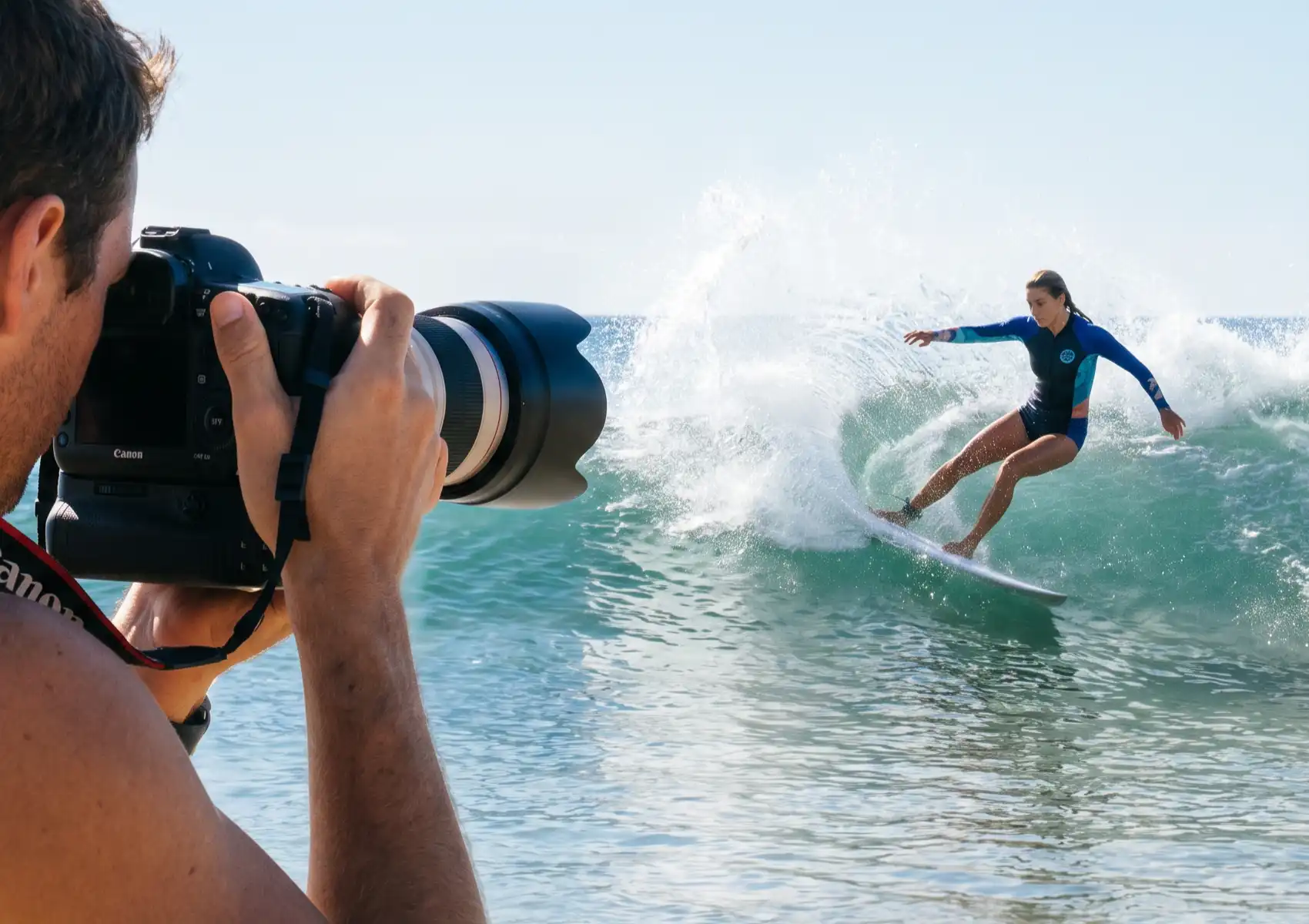
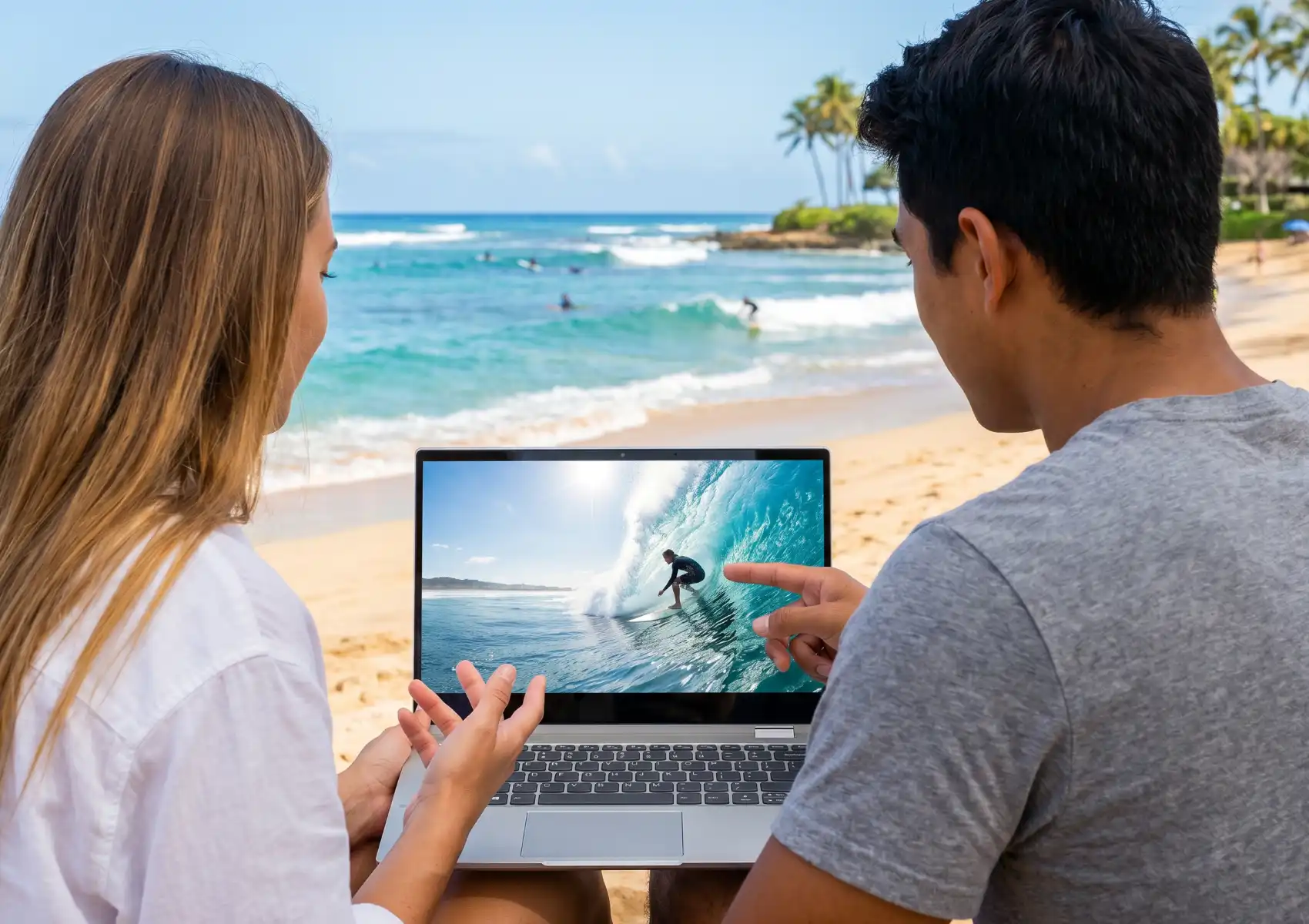
Surf video analysis is straightforward: your coach records your session, then you watch the footage together afterwards. During the review, your coach points out what’s working, what needs adjustment, and why specific changes might help. You see your own technique in real time.
This sounds simple. The learning benefit is genuine. Seeing yourself paddle, position, and turn creates an understanding that conversation alone cannot provide.
Why Surfers Learn Faster Through Video Feedback
Learning requires feedback. Without feedback, you repeat the same errors. Video provides objective feedback. You can see if your elbow stayed high during your paddle stroke. You can see where you were positioned on the board when the wave lifted. You can see how your pop-up timing compares to when it should ideally happen.
This visual evidence supports learning by providing concrete information rather than guesswork. You know what changed between attempts, which helps you make intentional adjustments.
The Difference Between Feeling and Seeing Your Surfing
Feeling tells you that something did not work. Seeing tells you why. A surfer might feel they paddled hard but did not catch waves. Video shows that they were positioned too far back on the board, had too wide a hand entry, or stopped their stroke too early. Feeling gives the problem. Video shows possible causes.
Understanding the cause is useful. It allows you to try specific corrections rather than making random adjustments.
Using Surf Video Analysis to Build Better Surfing Skills

Video analysis works best when you approach it systematically. Watching footage is useful. Reviewing footage with specific goals helps you focus your practice.
The most straightforward approach focuses on one or two areas per session. Trying to fix everything simultaneously creates confusion.
Spotting Technical Errors More Clearly
Technical errors that feel minor in the water often become clear on video. Your elbow dropping during a paddle stroke might feel acceptable when you are moving. On video, you can clearly see it and understand how it affects paddling power. Your late pop-up might feel close. On video, you can see exactly how the timing differs.
This clarity allows you to identify errors with confidence. You are not making vague adjustments. You are working with specific observations.
Analysing Positioning During Different Wave Sections
Wave reading and positioning are difficult to assess whilst you are actually surfing. Video shows where you positioned yourself as the wave approached, where you were when it started to form, and where you were when you attempted your manoeuvre.
Your coach can show you if you are positioned too far towards the shore or too far towards the deeper water. They can show you if you sat too far towards the peak or not far enough. This positional awareness can inform your next session.
Refining Wave Reading and Surf Decisions
Wave reading improves when you can see what you read correctly and what you missed. Video shows your takeoff choice, your line selection, and what happened as a result of those decisions. If you chose a section that closed out, you can see why. If you chose a section that worked well, you can see what made it effective.
Over multiple sessions, patterns can emerge. You start recognising characteristics that make sections workable or unworkable.
Measuring Improvements Across Multiple Sessions
Consistent video review over weeks and months shows changes that you might not notice in individual sessions. Your paddling improves in small increments. Your pop-ups become slightly faster. Your turns feel sharper. When you watch footage from week one compared to week four, improvements become visible.
This visual evidence of change is useful. You have concrete examples rather than relying on memory.
Turning Video Feedback Into Faster Surf Progress
Video analysis only delivers results when you apply what you learn in the water. Watching yourself surf can be eye-opening, but real progress happens when you use that feedback to make specific technical adjustments.
The translation from video observation to practical change requires structure. Without structure, video feedback can remain interesting yet fail to produce actual changes.
Reviewing Key Moments After Each Surf
Video reviews are most useful when they happen soon after surfing, while the session is still fresh. Your coach replays moments where something worked well and moments where adjustments might help. Reviewing soon after creates stronger memory connections.
Waiting days between a session and the review weakens these connections. Reviewing soon after is more helpful.
Focusing on One Improvement at a Time
Working on multiple issues simultaneously creates overwhelming feedback. Effective video reviews focus on one or two specific improvements. Your first review might address paddling technique. Your second might address pop-up timing. Your third might focus on positioning. This sequential approach builds skills methodically.
Translating Video Insights Into Practical Changes
The video shows what happened. A conversation with your coach translates observations into practical adjustments. Your coach does not just say, “Your elbow dropped”. They explain, “Keeping your elbow higher at hand entry helps here, like this”, and they show you the specific moment in the video.
This translation from observation to action is where video becomes practically useful.
Developing Consistent Technique Through Repetition
Video analysis is most useful across multiple sessions. Session one shows baseline technique. Session two shows whether you have applied the feedback from session one. Session three shows whether the change is becoming more automatic. Over weeks, new techniques can become established.
This consistency is what helps surfers progress beyond a certain point.
Benefits of a Surf Camp with Video Analysis
Surf camps that include video analysis have structural advantages. The coach is available immediately after your session. Equipment is already set up. Time is allocated for reviews within your schedule.
These practical elements make video analysis a routine rather than an occasional activity.
Faster Skill Development
Skill development improves when feedback is consistent, timely, and connected to your actual practice. Video analysis at a dedicated camp can provide this structure. You surf in the morning, review the footage immediately, and work on that feedback in your afternoon session. This routine repeats daily.
Over the course of a week, this routine provides practice with feedback. Over time, improvements become visible.
Greater Self Awareness
Video analysis builds self-awareness. You learn how your body actually moves rather than how you imagine it moves. You learn what works for you rather than relying only on general advice. This personal knowledge helps you develop techniques that work for your body.
More Consistent Surf Performance
Consistency improves when you understand what produces good results. Video shows you the exact positioning, timing, and movements that work for you. You can attempt to replicate these deliberately rather than hoping they happen randomly.
Improved Confidence in Different Conditions
When you have reviewed your technique in various wave sizes and conditions, you understand your capabilities more accurately. This understanding helps build confidence based on actual experience rather than assumptions.
Surf Video Analysis at Mondo Surf Village
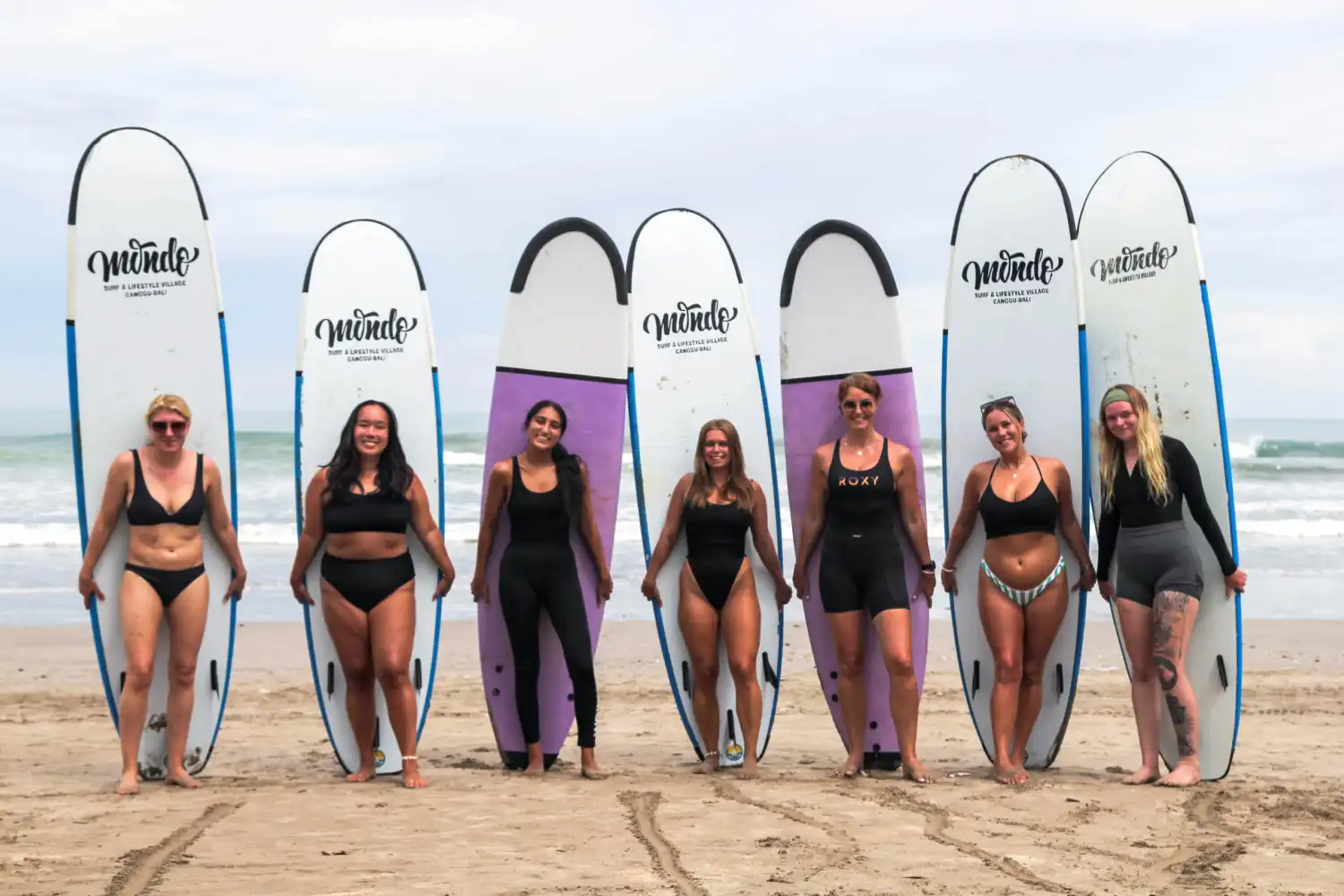
At Mondo Surf Village, video analysis is part of every coaching programme. Your sessions are recorded. Reviews happen soon after each session. Your coach uses the footage to plan what to focus on next.
This integrated approach means video is part of how coaching works, not an extra service.
Professional Coaching and Feedback
Your coach reviews your footage with the eye of someone who has analysed many surfers. They can identify technical patterns that a casual observer would miss. They can spot inefficiencies that might be affecting your progress.
Video Review Sessions After Surfing
Each day includes dedicated video review time. This is scheduled as part of your training, not squeezed between other activities. Your coach guides you through what is working and what might need adjustment.
Surf Programmes Designed for Progress
Mondo’s programmes use video feedback to adjust coaching focus. If your paddling is solid but your pop-up timing is late, that becomes the focus. If your pop-up is good but your wave selection is inconsistent, that becomes the priority. Video allows coaching to address your actual needs.
Frequently Asked Questions
How Does Video Analysis Help Improve Surfing?
Video shows what you are actually doing, not what you think you are doing. This helps you identify specific technical patterns. Over multiple sessions, this information can support your learning.
How to Improve Surfing Fast as a Beginner?
Consistent practice combined with feedback helps beginners improve. Video analysis can provide that feedback in a structured way. Combining frequent sessions with video reviews can accelerate learning compared to practising without feedback.
Is a Surf Camp with Video Analysis Worth It?
Video analysis provides useful feedback in a structured environment. For beginners and intermediate surfers, having daily coaching and video review can help you learn more effectively than surfing alone.
Can Intermediate Surfers Benefit from Video Feedback?
Intermediate surfers can benefit from video analysis. At this level, technical refinement becomes more important. Video can help identify which specific adjustments might improve your technique.
Book Your Next Step at Our Surf Camp Bali
When you want to learn with structured coaching and consistent surf video analysis, Mondo Surf Village provides both. Book your next training package at our surf camp in Bali today. Work with coaches who use video feedback to help you understand your surfing and build a technique that suits your progression.