The first day at a surf camp in Bali can feel bewildering. You’ll hear locals talk about Uluwatu, then Canggu, then somewhere you’ve never heard of. The types of surfing waves available seem endless, and everyone has an opinion about which one you should try. The truth is simpler: Bali isn’t one type of wave. It’s a coastline where each region has its own personality and produces waves suited to your progression. Understanding which types of waves you’ll encounter helps you choose the right time to visit, the right break to train at, and the right conditions to learn in. This guide breaks down Bali’s wave landscape so you can navigate it with confidence.
The first day at a surf camp in Bali can feel bewildering. You’ll hear locals talk about Uluwatu, then Canggu, then somewhere you’ve never heard of. The types of surfing waves available seem endless, and everyone has an opinion about which one you should try. The truth is simpler: Bali isn’t one type of wave. It’s a coastline where each region has its own personality and produces waves suited to your progression. Understanding which types of waves you’ll encounter helps you choose the right time to visit, the right break to train at, and the right conditions to learn in. This guide breaks down Bali’s wave landscape so you can navigate it with confidence.

Different Types of Waves Surfing in Bali
Bali produces three distinct wave types. Each has its own character, difficulty level, and what it teaches you. Knowing the difference changes how you approach your training.
Beach breaks, reef breaks, and point breaks make up Bali’s surfing foundation. Each forms differently and rewards different skills. Some are forgiving whilst you’re learning. Some demand respect. Progression often means working through all three, and each teaches you something the others can’t.
Forgiving Beach Breaks for Beginners
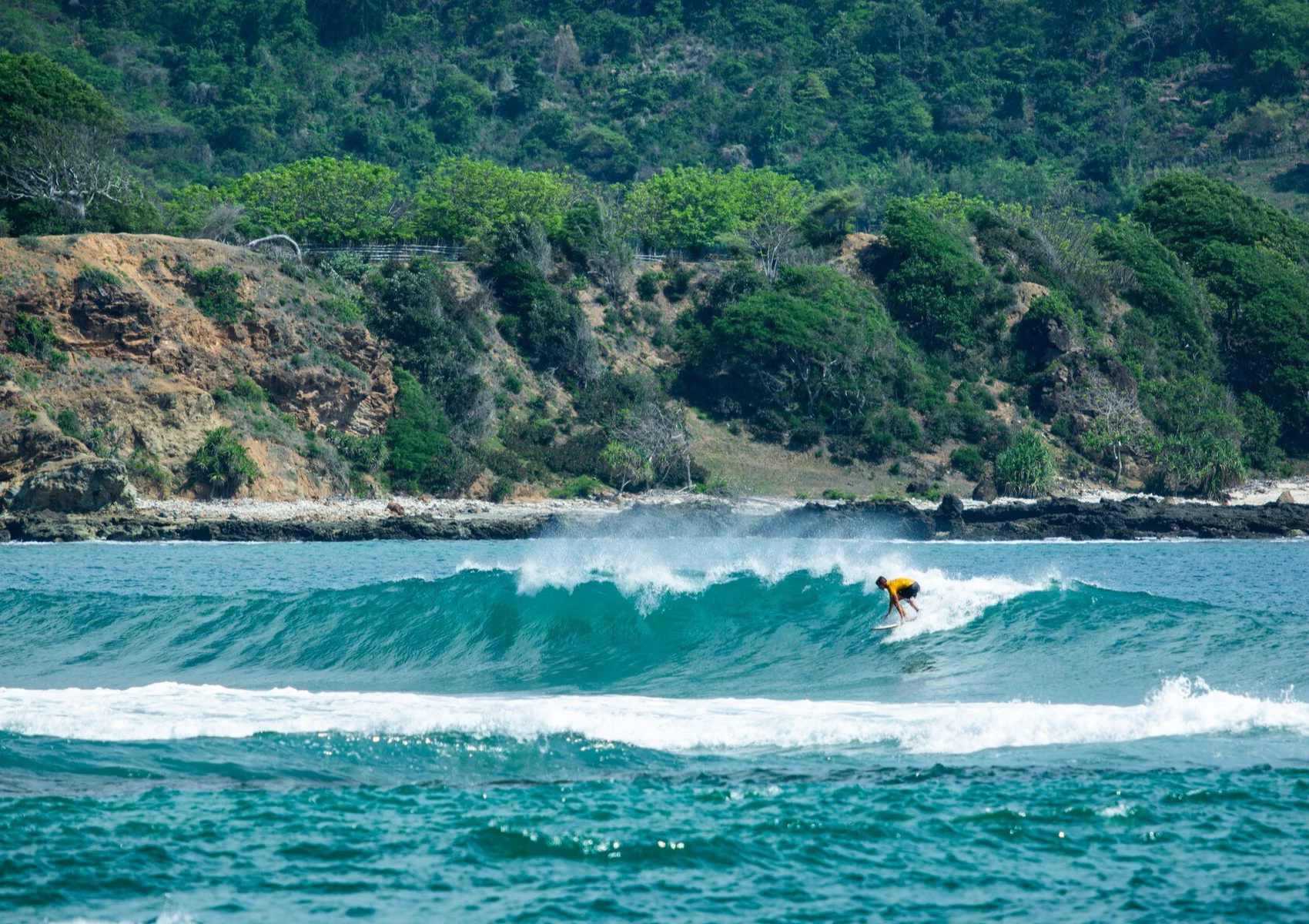
Beach breaks form over sand, and the bottom shifts constantly. This means conditions are unpredictable but generally forgiving. Peaks pop up across the break. Whitewater is everywhere. The soft bottom absorbs energy rather than amplifying it, which means wipeouts don’t punish you as hard.
Canggu and Pererenan are Bali’s most famous beach breaks. The soft, rolling waves let you focus on technique rather than survival. The sand bottom means you can fall without fear. The shifting peaks mean there’s almost always a section that matches your current ability. You’re not battling the ocean. You’re learning from it.
Challenging Reef Breaks for Progression
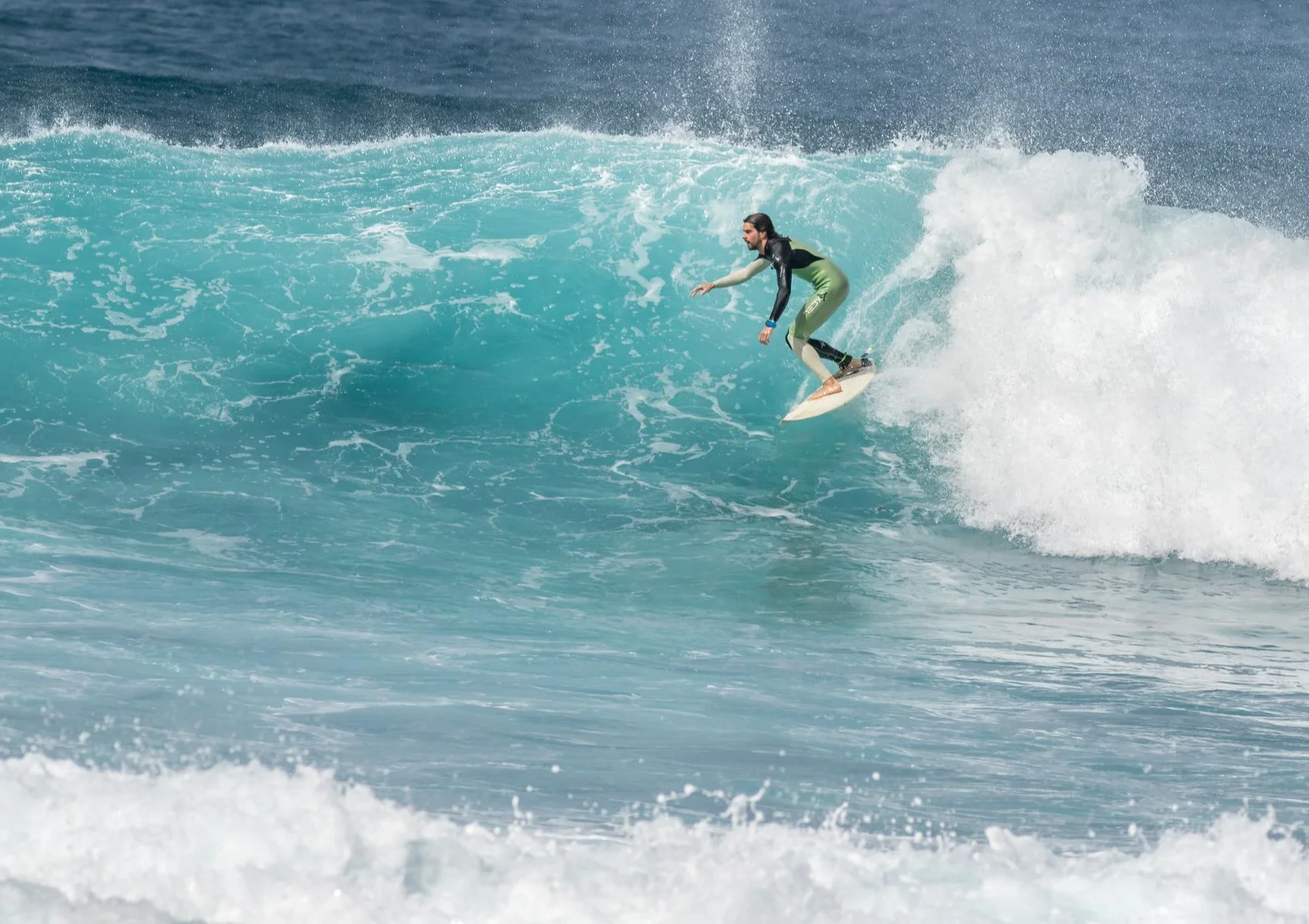
Reef breaks form over sharp, shallow coral or rock. The bottom is unforgiving, which makes the waves more powerful and more predictable. Energy concentrates rather than spreading out. Waves stand up steeper and hollow faster. Paddling out requires genuine skill and strength.
Uluwatu, Padang Padang, and Keramas are Bali’s premier reef breaks. This is where intermediate and advanced surfers refine their technique under real pressure. The reef bottom means every mistake has immediate consequences, but that’s also why you learn faster here. Feedback is instant and undeniable.
High Performance Point Breaks
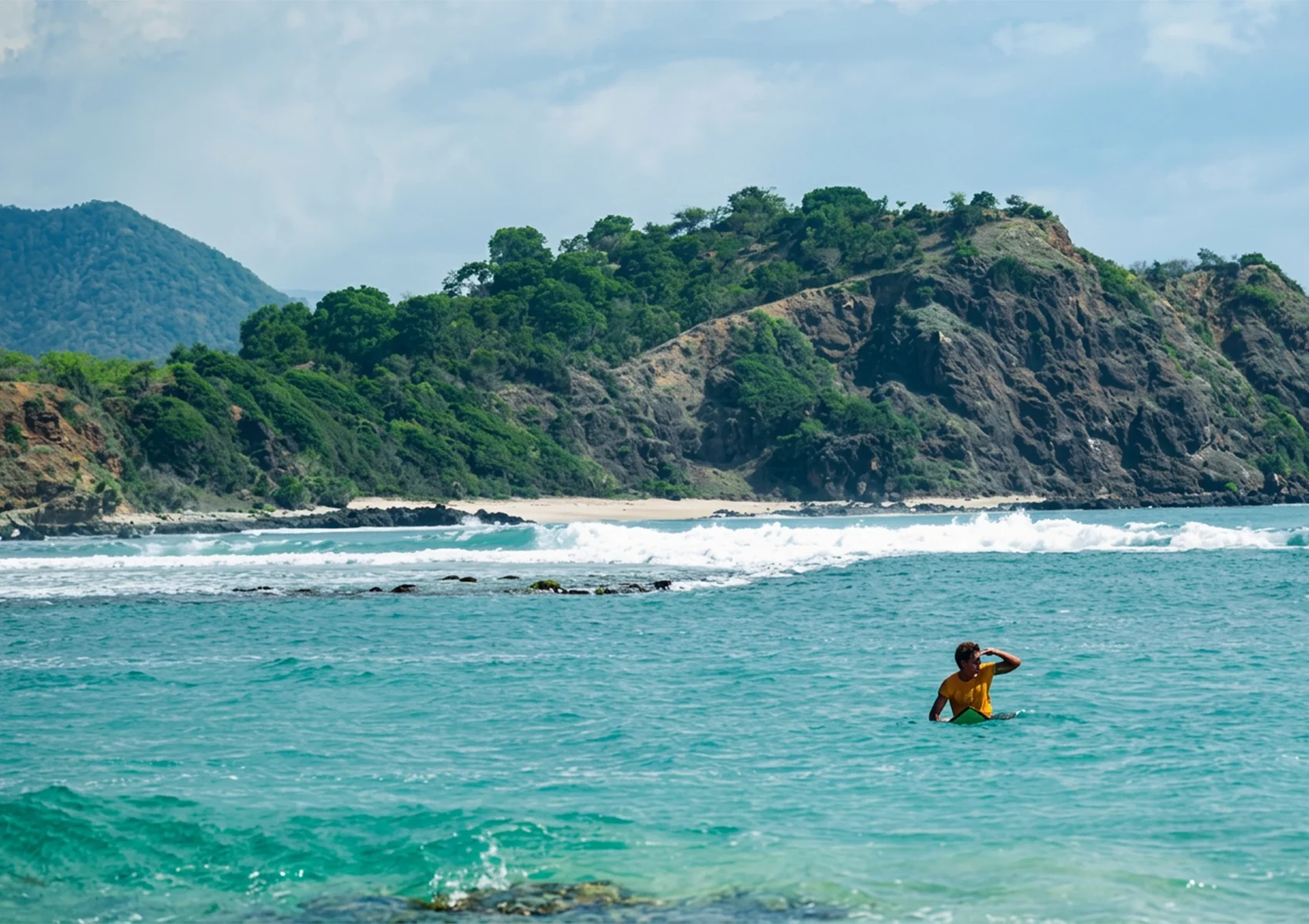
Point breaks form where a wave wraps around a headland or rocky point. The energy peels down the line in an orderly fashion, creating long, predictable waves with multiple sections. They reward positioning and rhythm over raw power.
Bingin and Balian are Bali’s standout point breaks. They sit between beach breaks and reef breaks in terms of difficulty. When they’re on, point breaks are some of the most fun and educational waves you’ll ever paddle into.
Where are the Biggest Waves in Bali
Bali’s biggest swells concentrate in specific regions. Understanding the geography helps you chase the waves you want rather than arriving to discover you’ve picked the wrong coastline.
The bigger the swell, the more location matters. Different coastlines face different directions. Where are the biggest waves in Bali? The answer depends on the season and swell direction, but certain coastlines are more reliable than others.
The Bukit Peninsula and the Southern Coast
The Bukit Peninsula, in south Bali, faces directly into the dominant southern hemisphere swells. Uluwatu, Padang Padang, Keramas, and Impossibles all sit on this coastline. When the swell is up, the Bukit is the epicentre of Bali’s big wave action.
These breaks work best from March through October, when southern swells are biggest and most consistent. Swell lines that are 4 metres offshore often break at 6 metres or more on these reefs. Advanced surfers travel specifically to the Bukit during this window because the consistency is unmatched.
Big Wave Spots on the East Coast
The east coast of Bali, from Amed onward, faces a different direction. These breaks come alive during the dry season when easterly and north-easterly swells push through. East coast breaks are less crowded and often less consistent, which makes them better for intermediate surfers who want a challenge without the heavy lineups.
Understanding Seasonal Swell Patterns
Bali sits just south of the equator. This geography determines when the swell arrives and how big it gets. Two distinct seasons create two distinct swell personalities.
Timing a visit around these patterns is crucial. Off-season doesn’t mean flat water, but it does mean smaller, less organised waves.
When are the Biggest Waves
The biggest, most consistent waves hit Bali between March and October. This is the dry season, when southern hemisphere swells march across the Indian Ocean and hit the southern and eastern coasts with genuine regularity. Days without swell are rare. Swell sizes of 3 to 4 metres offshore are normal, with 5 to 6 metre days happening regularly.
November through February sees smaller, less organised swells. This is the wet season in Bali. The weather is warmer, the humidity is higher, and the conditions are less predictable. Inconsistency is the defining feature.
Dry Season vs Wet Season Swell Patterns
The dry season favours the south coast and reef breaks. Southern Ocean swells arrive with real power and shape. Reef breaks need that energy to properly form. Beach breaks are workable year-round, but they truly come alive in the dry season when swell is consistent.
The wet season favours local and smaller swells. Wind patterns shift. Spots that face south stay quiet. Spots that face different directions suddenly fire.
Navigating Types of Waves Surfing at a Surf Camp in Bali
Understanding the types of waves is valuable for surfing. Knowing which wave to paddle into when you’re actually planning a trip is transformative. At Mondo Surf Village, our coaches help you navigate this complexity with real-time decision-making and genuine local insight.
Coaching and local knowledge turn swell forecasts into real decisions. Fitness, skill, and goals determine which break you train at each day, not random choice or overcrowding.
Matching Skill Level to the Wave Type
A beginner surfer at Uluwatu will spend more time swimming than surfing. An advanced surfer at Canggu will plateau and get frustrated. Matching skill level to the wave type ensures you’re training in conditions that challenge without overwhelming.
Beach breaks teach fundamental technique. Reef breaks teach power management and precision. Point breaks teach rhythm and positioning.
The Benefit of Professional Guiding and Local Knowledge
At Mondo Surf Village, our coaches read conditions live every session. They understand which breaks are working, which are too big, which are too small, and which suit your progression specifically. This observation-led approach removes the guesswork from training and accelerates development across all wave types.
Safety Protocols for Different Ocean Floors
Sand bottoms mean softer wipeouts but stronger currents. Reef bottoms mean shallow water, sharp rock, and sea urchins. Point breaks mean rocks on shore and potentially long hold-downs.
Understanding these differences helps you know what to expect and how to prepare. Our safety rules for every surfer guide covers what you need before paddling out.
Book Your Next Step at Our Surf Camp Bali
When you’re ready to train in the types of surfing that match your skill level, with coaches who genuinely understand Bali’s coastline and its seasonal patterns, Mondo Surf Village is where you’ll progress fastest. Book your next training package at our surf camp in Bali today. Our coaches match you with the right waves at the right time for where you are right now.