
Reef breaks present different challenges than beach breaks, but they offer rewards that justify the effort. At a surf camp in Bali, intermediate surfers discover that surfing reef breaks becomes manageable when you understand how these waves work and what techniques matter most. Reef waves peel predictably, creating longer rides and cleaner faces than beach breaks. However, they demand respect for the environment and safety awareness. This guide covers what intermediate surfers need to know about reef break dynamics, positioning, safety, and the specific techniques that help you progress confidently over the next few months.

What Makes Reef Breaks Different
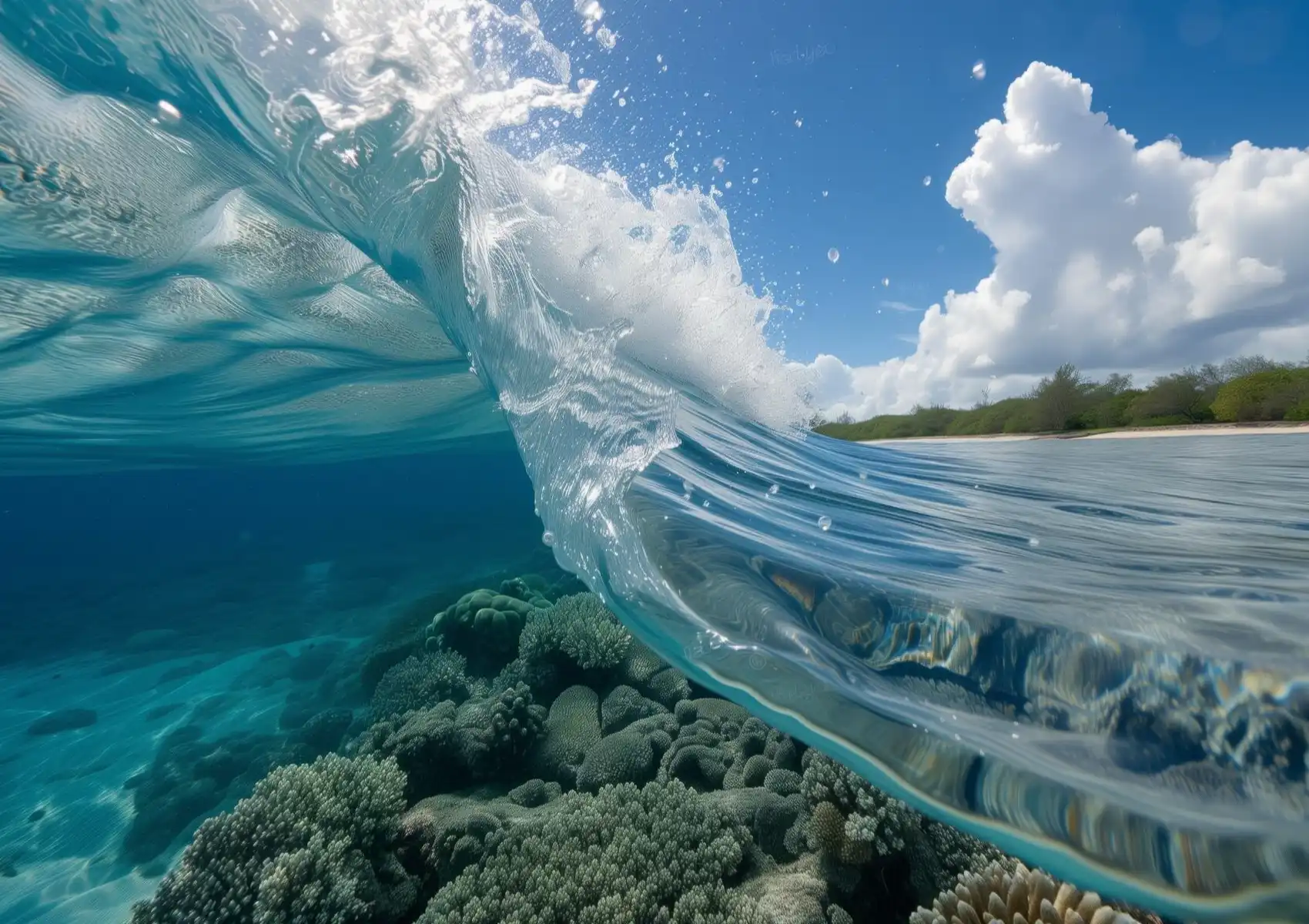
Reef breaks have fundamentally different characteristics from beach breaks. The ocean floor is fixed coral or rock rather than shifting sand, which changes how waves form and behave.
This difference affects everything: positioning strategy, wipeout consequences, wave prediction, and learning approaches. Understanding these differences before paddling out allows you to make safer decisions and develop skills more effectively.
How Reef Breaks Shape the Wave
Reef formations act as a fixed foundation for wave energy. When a swell hits a reef, the wave breaks consistently in the same location every time. The reef’s shape determines whether waves peel gently or pitch hollow.
This predictability helps intermediate surfers. You can observe the break, learn peak locations, identify channels, and position strategically before paddling out. Unlike beach breaks where sandbars shift, reef formations stay consistent between sessions, though tide and swell conditions still affect wave shape.
Why Reef Waves Feel Faster and More Predictable
Reef waves travel faster across a longer, unbroken face. The consistent ocean floor means energy remains concentrated rather than dispersing across shifting sand. This creates waves that feel more powerful than similarly sized beach break waves.
The increased speed and power demand better technique and timing. However, predictability helps you learn what works at that specific break. You notice technical changes because conditions remain relatively consistent.
Knowing When You Are Ready for Reef Breaks
Intermediate surfers typically benefit from reef breaks once they can pop up reliably, control their board direction, and paddle effectively. You should be comfortable in moderately crowded lineups and understand basic wave reading.
Experience at beginner-friendly beach breaks for at least several months provides a good foundation. Your coach can assess whether reef breaks match your current ability level.
Learning to Read Reef Waves
Reading reef waves differs from reading beach break waves because reef formations create patterns that remain relatively consistent.
The fixed ocean floor means similar peaks tend to form in similar locations, channels appear in predictable spots, and wave rhythm remains fairly consistent. Learning to read these patterns helps you develop an understanding that applies across multiple sessions.
Identifying the Peak
The peak is where the wave will break first. On reef breaks, peaks form consistently at specific locations rather than shifting like beach break peaks.
From the beach, observe several waves and note where they jack up before breaking. That location is the peak zone. Positioning yourself near the peak (but not directly at it, which invites competition) can provide better access to waves.
Recognising Steep Sections
Reef breaks often have sections where the wave pitches very steeply or even hollows. These sections offer challenging rides but also carry higher wipeout consequences.
Intermediate surfers should seek mellow reef breaks where steep sections remain manageable, and water depth over the reef provides a safety margin. Your coach helps select appropriate breaks for your current level.
Understanding Wave Entry Zones
Reef breaks have defined channels where waves do not break. These channels allow you to paddle out with less effort than constantly fighting whitewater.
Identifying entry and exit channels before paddling out prevents exhausting paddle outs and gives you a safe zone to rest between attempts. Channels typically form where deeper water exists adjacent to the reef.
Positioning and Timing on Reef Breaks
Strategic positioning on reef breaks influences how many waves you catch and how well you execute manoeuvres.
Reef structures remain relatively stable, so successful positioning strategies can carry over between sessions, though changes in tide and swell may require adjustments.
Finding the Right Spot in the Line Up
Position yourself where waves break consistently but where local customs and etiquette allow space for your ability level. Observe where intermediate and beginner surfers position, then sit near that zone.
Do not position directly at the peak in your first sessions. Sit on the shoulder (slightly deeper water, slightly away from the peak) where conditions remain manageable, and you have space to manage wipeouts without interfering with experienced surfers.
Timing Your Paddle for Wave Entry
Timing on reef breaks requires reading the wave’s progression and paddling as it approaches the peak zone. Start paddling slightly earlier than you would on beach breaks because reef waves travel faster.
Feel the swell building beneath you, spot the peak forming, and commit to paddling with full effort. Hesitation may result in missed opportunities on faster-moving reef waves.
Catching Steep Waves More Consistently
Steep reef waves require commitment and precise pop-up timing. Catch the wave before the steepest section so you have momentum and control. Wait too long, and the wave becomes too hollow to catch safely.
Your coach observes your attempts and provides specific feedback, helping you identify what works under those conditions. Direct observation from your instructor can support your learning more effectively than independent practice alone.
Common Mistakes Intermediate Surfers Make

Understanding common errors helps you avoid wasting sessions and developing unhelpful habits. By recognising these mistakes early, you can correct them before they become ingrained patterns.
Sitting Too Deep
Positioning too far inside (deeper water) may cause you to miss waves that break before reaching you. Intermediate surfers sometimes sit too deep because they fear wipeouts and want to avoid the chaos near the peak.
However, this positioning can lead to frustration. Move progressively closer to peak zones as your confidence grows. Wipeouts are learning opportunities rather than reasons to retreat.
Hesitating During the Take Off
Fear can cause hesitation when committing to steep reef waves. You paddle but do not fully commit, reducing your chances of catching the wave. Reef waves reward commitment.
Your coach helps manage this hesitation by positioning you where waves feel challenging but achievable. Success builds confidence, allowing you to gradually attempt more demanding waves.
Choosing Waves Beyond Your Ability
Attempting the largest and steepest waves in the set wastes energy and creates wipeouts that may discourage progression. Instead, target the second or third wave in a set.
Your goal: consistent waves that challenge your current skills without triggering panic. Progression typically happens through accumulated successful rides, not by attempting a single perfect wave.
Reef Break Safety Tips
Safety allows you to progress with confidence whilst respecting both the environment and your physical wellbeing.
Understanding and practising reef break safety supports your ability to develop skills without unnecessary risk.
Understanding Entry and Exit Points
Enter the water where channels exist and where you can walk safely. Avoid sharp coral and rocks. Exit the same way. Wearing reef booties protects your feet and provides grip on potentially slippery surfaces.
Know your escape route before paddling out. If conditions intensify beyond your comfort level, know where you can exit safely rather than panicking if trapped inside.
Respecting Local Surf Etiquette
Reef breaks often have established local customs and etiquette expectations. Observe how experienced surfers position and behave before asserting yourself.
Local surfers protect their reefs because they surf them regularly. Respect that by learning and following etiquette. Priority typically goes to the surfer closest to where the wave breaks.
Preparing for Wipeouts
Wipeouts on the reef require a different technique from those at beach breaks. Avoid diving headfirst. Fall backwards or sideways, spreading impact across your body rather than concentrating force on your head.
Cover your head with your hands during the wipeout. Go limp rather than fighting the wave. The wave will push you down and over, but the force dissipates faster when you remain relaxed rather than resisting.
Surfing Reef Breaks in Bali
Bali offers excellent reef-break opportunities for intermediate progression.
The combination of consistent conditions, a variety of breaks, and available coaching makes Bali well-suited for systematically developing reef-break skills.
Choosing Suitable Breaks for Your Ability
Bali has reef breaks for all skill levels. Beginner-friendly breaks offer mellow conditions and manageable risk. Intermediate breaks provide a challenge whilst remaining within your current ability. Advanced breaks test technical mastery.
Your coach selects breaks that match your current level, helping to ensure productive sessions rather than overwhelming or understimulating experiences.
Understanding Local Conditions
Bali’s tidal range significantly affects reef break depth and wave shape. High tide provides deeper water over the reef and slightly different peak locations. Low tide exposes more of the reef and changes wave characteristics.
Learning how the tide affects your chosen break takes several observation sessions. Your coach can explain tidal effects directly, helping you understand these changes more quickly.
Progressing with Confidence
Progression on Bali reef breaks happens through guided practice and observation. Each session adds knowledge about how specific reefs operate, where waves break, and which techniques are effective in those conditions.
Consistent coaching, along with feedback from your instructor, can help you develop skills over time. How quickly you progress depends on your starting ability, how often you practise, and how you respond to feedback.
Frequently Asked Questions
What Makes Reef Breaks Different from Beach Breaks?
Reef breaks occur over fixed coral or rock foundations that remain relatively stable. This creates more consistent wave shapes, longer rides, and more predictable conditions compared to beach breaks that break over shifting sand.
How Can Intermediate Surfers Improve on Reef Breaks?
Seek guidance from experienced instructors. Prioritise mellow reef breaks appropriate for your level. Practise reading waves and positioning strategically. Develop respect for the environment. Build comfort gradually rather than attempting advanced breaks too quickly.
How Important Is Timing When Surfing Reef Waves?
Timing matters significantly on reef breaks. Reef waves travel faster than beach breaks, so paddling too late may result in missing waves. Pop-up timing is also important because steep reef sections require precise timing for successful entry.
What Reef Break Safety Tips Should Every Surfer Know?
Use designated channels for paddling out and exiting. Wear reef booties. Fall backwards or sideways during wipeouts rather than diving. Cover your head with your hands. Respect local etiquette and local surfers. Always wear a leash and use appropriate safety equipment.
Book Your Next Step at Our Surf Camp Bali
When you are ready to progress from beach breaks to surfing reef breaks with expert guidance, Mondo Surf Village provides structured coaching on appropriate reef breaks. Your coach teaches you how reef waves form, positions you strategically, provides feedback on technique, and helps you manage fear whilst building genuine skills. Book your next training package at our surf camp in Bali. Master surfing reef breaks with confidence and progress towards advanced technique development.