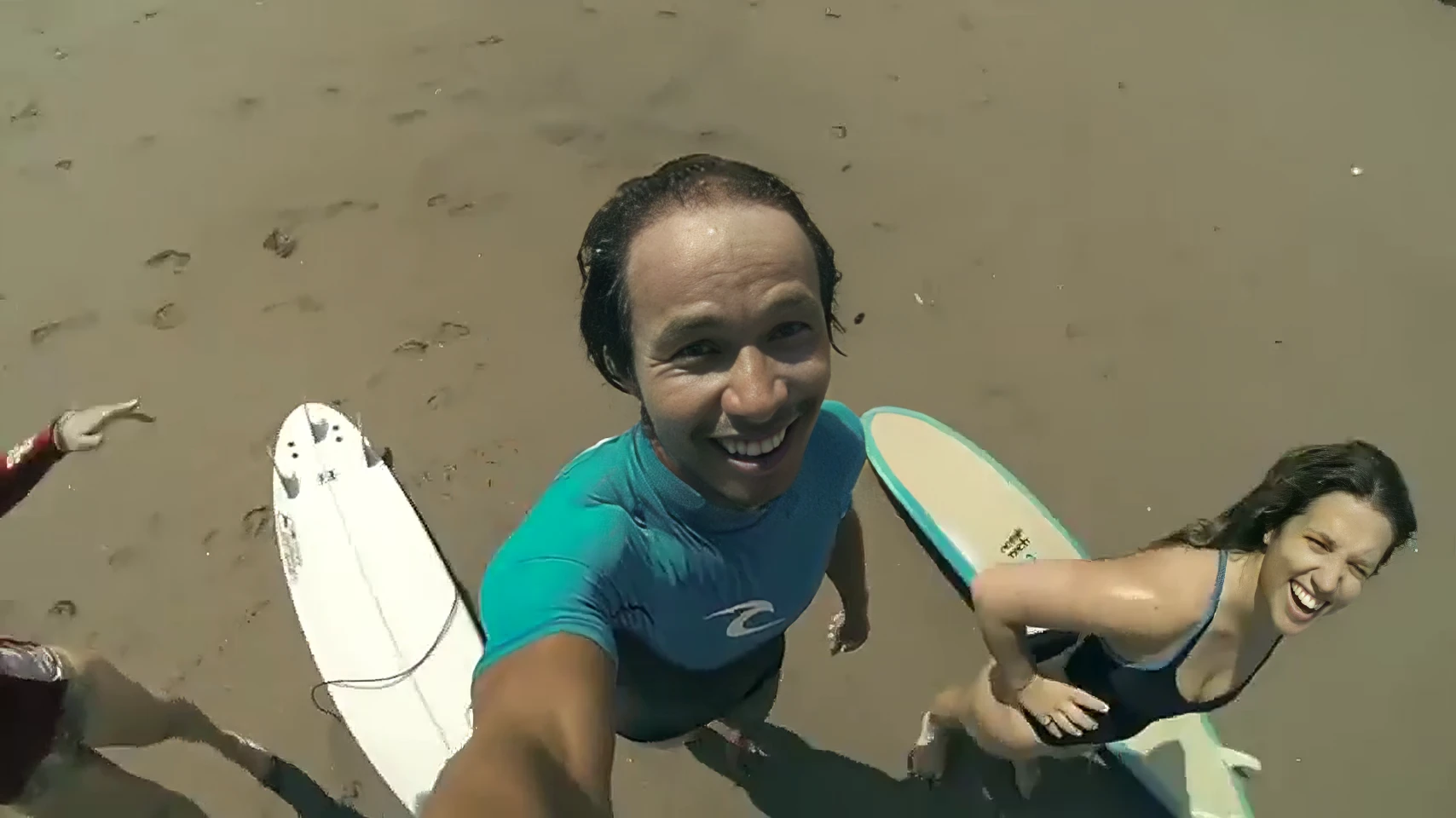

Learning to surf involves more than mastering technique. Every beginner needs to understand the unwritten codes of conduct that define surfing culture. These rules exist to keep everyone safe, prevent conflict, and build community in the lineup.
Surfing happens in a shared environment where your actions directly affect other water users. A surfer paddling for a wave depends on others respecting priority. The ocean itself requires respect and responsible behaviour. By learning proper surf etiquette for beginners before your first session at a surf camp in Bali, you avoid frustrating others and enjoy surfing more fully.

What Is Surf Etiquette and Why Does It Matter?

Surf etiquette shapes every session in the water, for beginners and experienced surfers alike.
Surf etiquette refers to the unwritten rules and customs that guide surfer behaviour in the water. These rules exist for practical reasons: keeping everyone safe, preventing conflict, and building community.
Understanding etiquette removes anxiety about getting in other surfers’ way. When you know what is expected, you can focus on your technique. Beginners who understand proper etiquette progress more deliberately because they spend more time practising and less time navigating social conflict.
Understand Wave Priority and Right of Way
Wave priority is the rule that organises the lineup. Understanding it prevents most conflicts before they happen.
The surfer closest to the peak when the wave breaks first has priority. Understanding how waves break helps you read the peak more accurately and identify priority positions before committing to a wave.
Before paddling for a wave, scan the peak area to check whether other surfers are positioned there. If they are, they have priority, and you should wait. If you are closest to the peak, you have priority. Learning wave priority surfing prevents the most common conflicts in the water.
Never Drop In on Another Surfer
Dropping in is the most disruptive mistake a beginner can make, and it is entirely avoidable once you understand how to read the peak.
Dropping in means paddling for a wave where another surfer, positioned closer to the peak, already has priority and right of way.
For example, you paddle for a wave intending to go left. A surfer to your right is also paddling for the same wave. That surfer is closer to the peak and has priority. If you continue paddling and catch the wave alongside them, you have dropped in. This creates collision risk and prevents the priority surfer from enjoying their wave.
How to avoid it: before committing to a wave, look back toward the peak in the opposite direction you intend to go. If you are paddling left, look right. Check whether another surfer is positioned closer to the peak. If they are, wait for the next wave.
Do Not Snake Other Surfers
Snaking is one of the quickest ways to create tension in a lineup, and experienced surfers will notice it immediately.
Snaking occurs when you wait for another surfer to begin paddling for a wave, then quickly paddle inside them closer to the peak to steal the wave.
What is snaking in surfing? It is intentional, deliberate, and dishonest. This is why it creates anger in the lineup. Experienced surfers recognise snaking immediately and resent it.
How to avoid it: take turns in the order you arrived. Position yourself consistently so other surfers understand the waiting order. Do not paddle for a wave if someone ahead of you has already committed.
Learn Where to Paddle Back Out
Paddling back out via the right route keeps you out of other surfers’ paths and speeds your return to the lineup.
Observe existing surfers and notice where they paddle. Channels typically form where water is slightly deeper or where wave energy is weaker. Using designated channels speeds your paddle out and keeps you away from surfers riding waves. Avoid paddling through the impact zone where surfers are riding.
Communicate Clearly and Respectfully
Clear communication avoids misunderstandings before they become conflicts.
Calling your intentions helps other surfers understand your plans. If you are paddling for a wave and another surfer may also be interested, call “going left” or “going right” to indicate your direction.
When communication is difficult, hand signals and eye contact work well. Wave your arm to indicate you are paddling for a wave. Make eye contact with another surfer paddling for the same wave to confirm priority.
If you accidentally drop in or make another mistake, apologise genuinely. A simple “sorry” demonstrates respect and awareness. Experienced surfers understand that accidents happen.
Stay Aware of Your Surroundings
Awareness in the water is not just about safety. It shapes every decision you make in the lineup.
Before committing to a wave, check your surroundings. Look at the peak to confirm priority. Check the shoulder to ensure no one else is paddling for the wave. Listen for warnings from other surfers.
As you ride a wave, be aware of other surfers on the same wave or nearby. Adjust your path to avoid contact. If a collision seems imminent, exit the wave immediately.
Respect Local Surfers and Surf Culture
Every break carries its own customs, and arriving with awareness of that earns you respect in the water.
Local surfers protect breaks they love. When surfing unfamiliar breaks, observe how surfers there behave before paddling out.
Breaks in different regions have different customs. Some may have strict local priority systems. Others may operate more casually. Observing before paddling out prevents breaking unwritten rules specific to that break. A positive attitude creates positive experiences. Sharing waves generously by yielding occasionally shows community spirit.
Common Surf Etiquette Mistakes Beginners Make
These are the patterns that come up most often in the early sessions.
Dropping in without checking the peak is the most common mistake. Always look at the peak before paddling.
Snaking another surfer violates priority. Wait your turn, even if it means missing a set.
Paddling through the lineup disrupts surfers and creates safety risks. Always use channels and stay clear of active riding areas.
Poor communication causes confusion. Simple calls or signals prevent misunderstanding.
How Mondo Surf Village Helps Beginners Learn Etiquette Faster

Learning etiquette in a structured environment makes the difference between guessing and genuinely understanding why the rules exist.
At Mondo Surf Village, coaches teach proper etiquette alongside technique, ensuring you develop the right habits from your first session. Coaches model respectful behaviour in the water and explain the reasoning behind each rule as you encounter real situations in the lineup.
Learning in real-life situations is more effective than reading about it. When you know you are behaving correctly, you can focus on improving your technique rather than worrying about social mistakes.
Book Your Next Step at Mondo Surf Village
When you are ready to put these surf etiquette principles into practice, the coaching team at Mondo Surf Village works through lineup culture and wave priority with you from your first session. Our programme covers both technique and the cultural customs that shape positive experiences in the water.
Join our surf camp Bali and develop the habits that make every session better, for you and everyone else in the lineup.
Frequently Asked Questions
1. What Is Surf Etiquette for Beginners?
Surf etiquette refers to unwritten rules and customs that guide surfer behaviour. These rules keep everyone safe, prevent conflict, and build community. Learning proper etiquette as a beginner sets the foundation for a positive lifelong surfing experience.
2. How Do You Avoid Dropping In?
Always check the peak before paddling for a wave. If another surfer is closer to the peak, they have priority. Wait for the next wave.
3. What Should I Do If I Make a Mistake?
Apologise genuinely and learn from the error. Experienced surfers understand that mistakes happen. Showing respect and awareness prevents most conflict.
4. Why Is Learning Etiquette Important?
It keeps you safe by helping you understand priorities and avoid collisions. It accelerates progression by allowing you to focus on technique. It builds your reputation as a respectful community member.