If you are planning surf lessons in Canggu for the first time, you are starting in one of the best places in the world to learn. Canggu combines warm water, mellow beach breaks, and a surf culture that genuinely welcomes beginners. Whether you are joining a surf camp in Bali for a full week or fitting in a few sessions around a longer trip, knowing what to expect before you arrive makes a real difference to how quickly you progress.
Why Canggu Is Ideal for Learning to Surf
Canggu has built its reputation as a beginner-friendly destination for specific, practical reasons that go beyond simply having a beach.
Wave Types That Suit Complete Beginners
The breaks at Batu Bolong and Old Man’s produce mellow, rolling waves on smaller swells. Batu Bolong in particular is known for its long, slow-peeling rides that stretch from the temple all the way along the beach, giving beginners the time to adjust their position, recover from mistakes, and actually enjoy the ride rather than just survive it. These are not powerful, hollow waves. They are the kind that forgive early errors and reward commitment to the pop-up.
Why Sandy Bottoms Make Learning Safer
Batu Bolong sits over a semi-reef bottom, with sand as you enter the water and a shallow, mellow reef further out. Despite what the word “reef” might suggest to a first-timer, this setup is more forgiving than a pure beach break, which can produce faster, steeper waves on the wrong swell. Other parts of Bali offer world-class reef breaks that are genuinely unsuitable for beginners. Canggu keeps the learning environment manageable without removing the feel of real ocean conditions.
Consistent Surf Throughout the Year
Canggu receives swell year-round, which means you do not need to plan your trip around a specific surf window. The dry season, running from April through October, brings more reliable conditions. Morning sessions during the wet season are still workable for beginners. Whatever time of year you arrive, there will be something appropriate for learning.
How to Choose a Surf School in Canggu
The number of surf schools in Canggu makes choosing the right one genuinely confusing. These are the factors that separate a good learning experience from a poor one.
Instructor Qualifications and Safety Standards
Ask whether instructors hold recognised surf coaching certifications before booking. All instructors should also carry current first aid and surf rescue qualifications. The gap between a certified instructor and an uncertified beach guide is significant in both teaching quality and the safety with which a session is managed when conditions change.
Small Group Sizes and Personal Feedback
Large groups considerably reduce the quality of instruction. Before booking, ask how many surfers share one instructor during a session. A manageable ratio allows for individual feedback, which is what separates building correct technique from simply repeating the same mistakes across multiple sessions.
Video Analysis as a Learning Tool
Not every school offers video analysis, but it is one of the more effective tools available to a beginner. Seeing your own surfing on screen closes the gap between what you think you are doing and what is actually happening on the wave. It is worth asking about before committing to a programme.
What to Bring to Your First Surf Lesson in Canggu
Surf schools in Canggu provide essential equipment, but arriving prepared for the conditions makes the experience more comfortable from the start. It also helps to prepare for your first surf class with a clear picture of what the session involves before you arrive.
What the School Provides
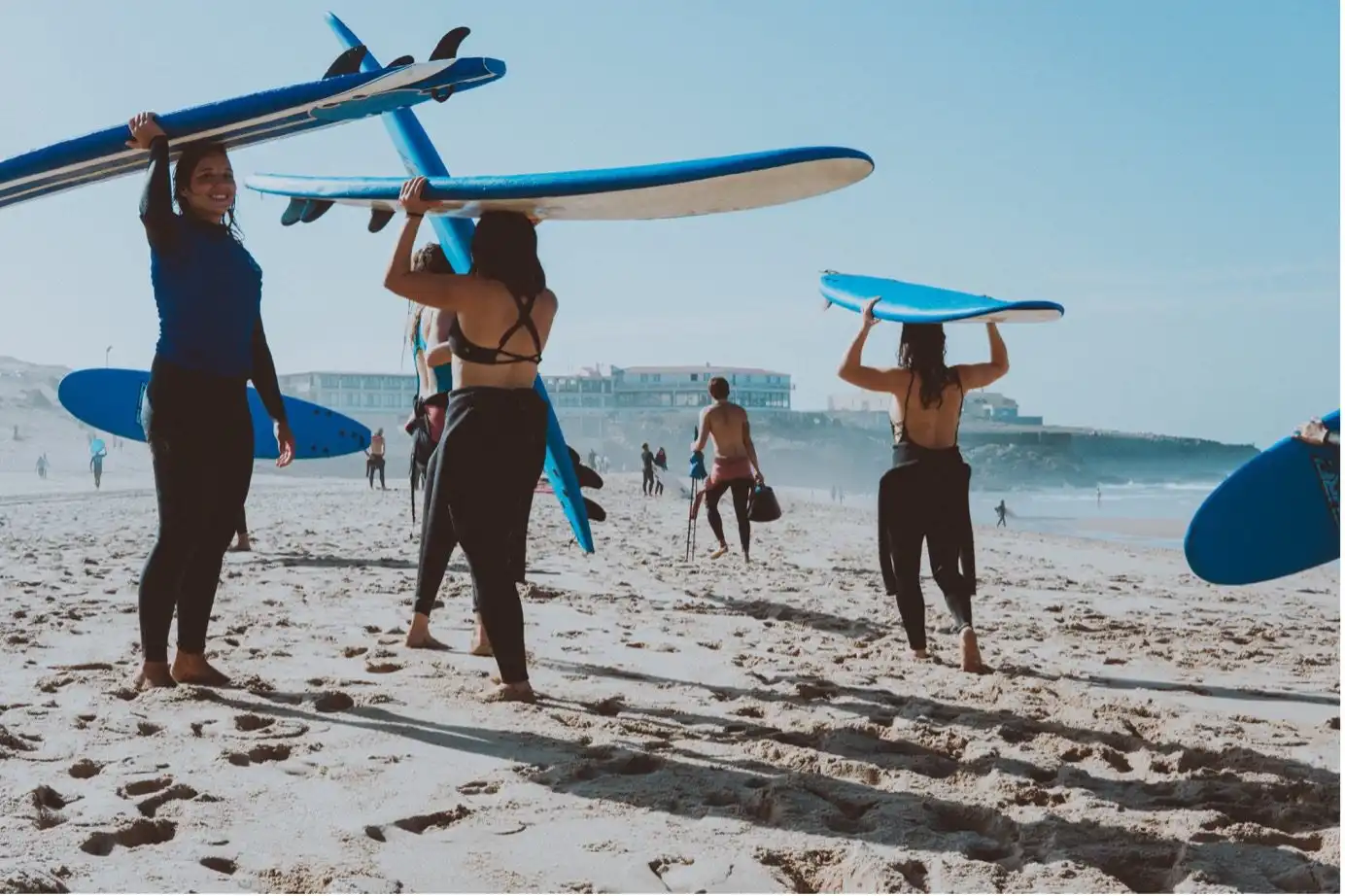
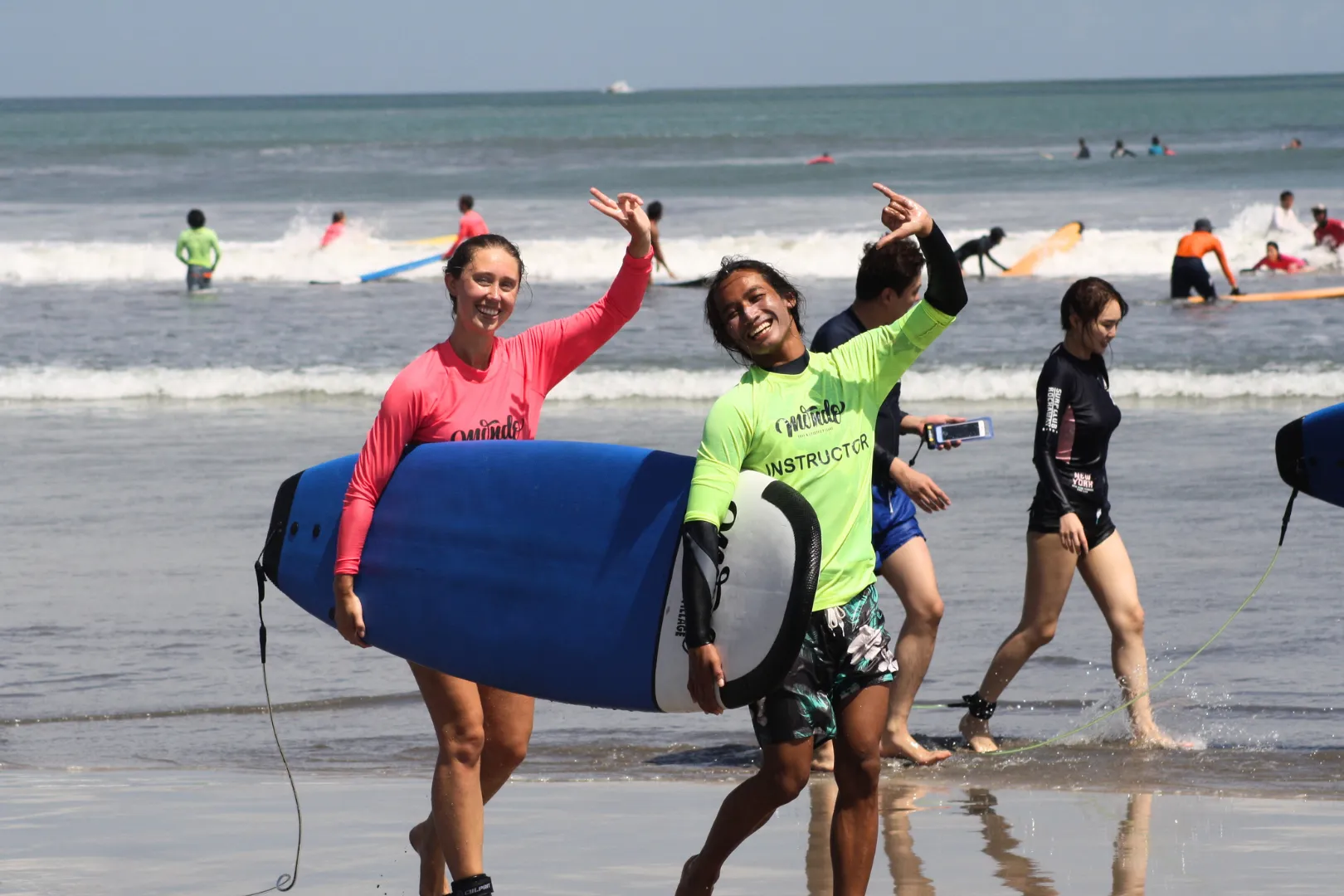
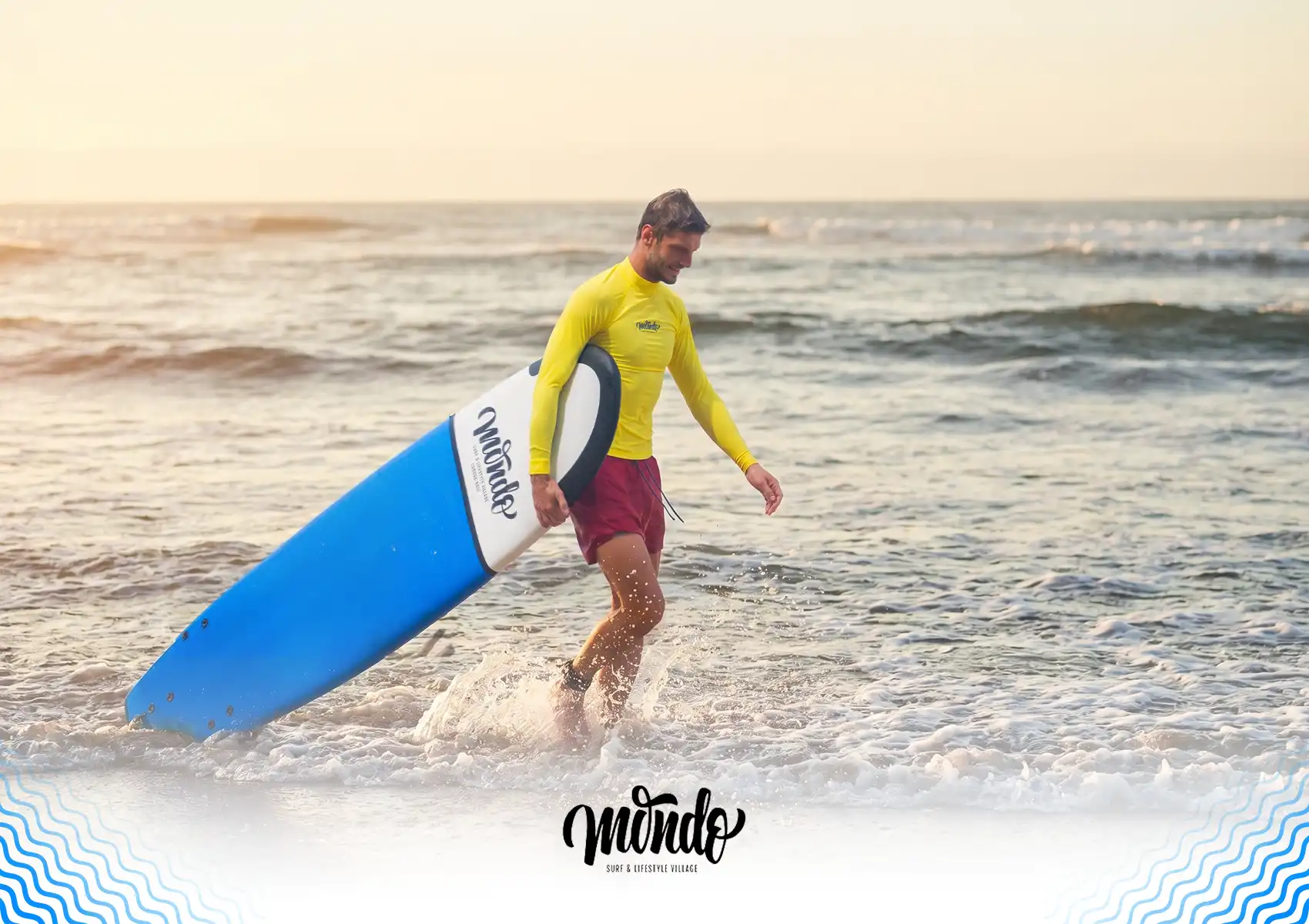
Your school will supply a soft-top surfboard, a rash guard or rash vest, and instructor supervision throughout the session. No wetsuit is needed in Bali’s warm water.
What You Need to Bring Yourself
Reef-safe sunscreen, a towel, water, and surf shorts or a bikini cover the basics. If you wear prescription glasses, consider contacts or a strap for the session to avoid losing them in the water.
How to Dress for Surfing in Bali
A light rash guard over a swimsuit or boardshorts is the standard setup. UV protection matters considerably given the intensity of the tropical sun, even on overcast mornings. Foot protection is generally not needed at the beginner breaks in Canggu.
Group Surf Lessons vs Private Surf Lessons
The choice between group and private lessons affects both the pace of your progress and the overall experience in the water. Neither is universally better.
What Group Lessons Offer Beginners
Group lessons are more affordable and bring a social atmosphere that suits confident beginners who are comfortable in the ocean. The trade-off is slightly less individual feedback during the session. For someone who is happy to share instructional time and is motivated to learn alongside others, group lessons work well.
When Private Lessons Make More Sense
Private lessons suit nervous beginners, young children, and anyone with limited days in Bali who wants to progress as quickly as possible. One-on-one coaching throughout the session means corrections happen immediately and specifically, rather than waiting for the instructor to move through the group.
How to Decide Which Option Suits You
Frame the decision around your confidence level, your budget, and how many days you have in the water. Both formats are widely available through surf lessons in Canggu, and neither is a poor choice given the right circumstances.
The Best Beaches for Beginner Surf Lessons in Canggu
Not every break in Canggu suits beginners equally well. Instructors make this call each day based on conditions, but knowing each beach helps you understand what to expect. For a fuller breakdown of the options, the guide to surf spots in Canggu covers each break in detail.
Batu Bolong for First-Time Surfers
Batu Bolong is the default choice for first lessons. The waves peel slowly across a wide takeoff zone, giving beginners plenty of space and time. The semi-reef bottom, with its sandy entry, is forgiving during wipeouts without removing the consistent wave shape that makes learning possible. It is one of the few breaks in Bali where a complete beginner can feel at home from the first session.
Old Man’s for Consistent Practice
Old Man’s sits just along from Batu Bolong and behaves similarly in character, though over a slightly deeper reef. It is well-suited to returning beginners who are building on their first session and want longer rides to work on stance and balance. The wave here allows more time on the face, which reinforces technique in a way that short white water rides cannot.
How Instructors Choose the Right Spot Each Day
Swell size, tide stage, wind direction, and crowd levels all influence where a session takes place. A good instructor does not default to the same beach every day, regardless of what the ocean is doing. The decision is made each morning based on what will give each surfer the most productive session for their current level.
What Beginners Actually Learn in a Surf Lesson
A well-structured lesson covers more than just standing up. Understanding what happens at each stage helps you arrive prepared and make the most of your time in the water.
The Beach Briefing and Safety Introduction
Every session begins on the sand. Your instructor will cover ocean awareness, how to identify rip currents, how to fall safely, and how to carry and hold your board around other surfers. This groundwork happens before anyone enters the water, and it shapes how confidently you move through the rest of the session.
Paddling and Pop-Up Practice on the Sand
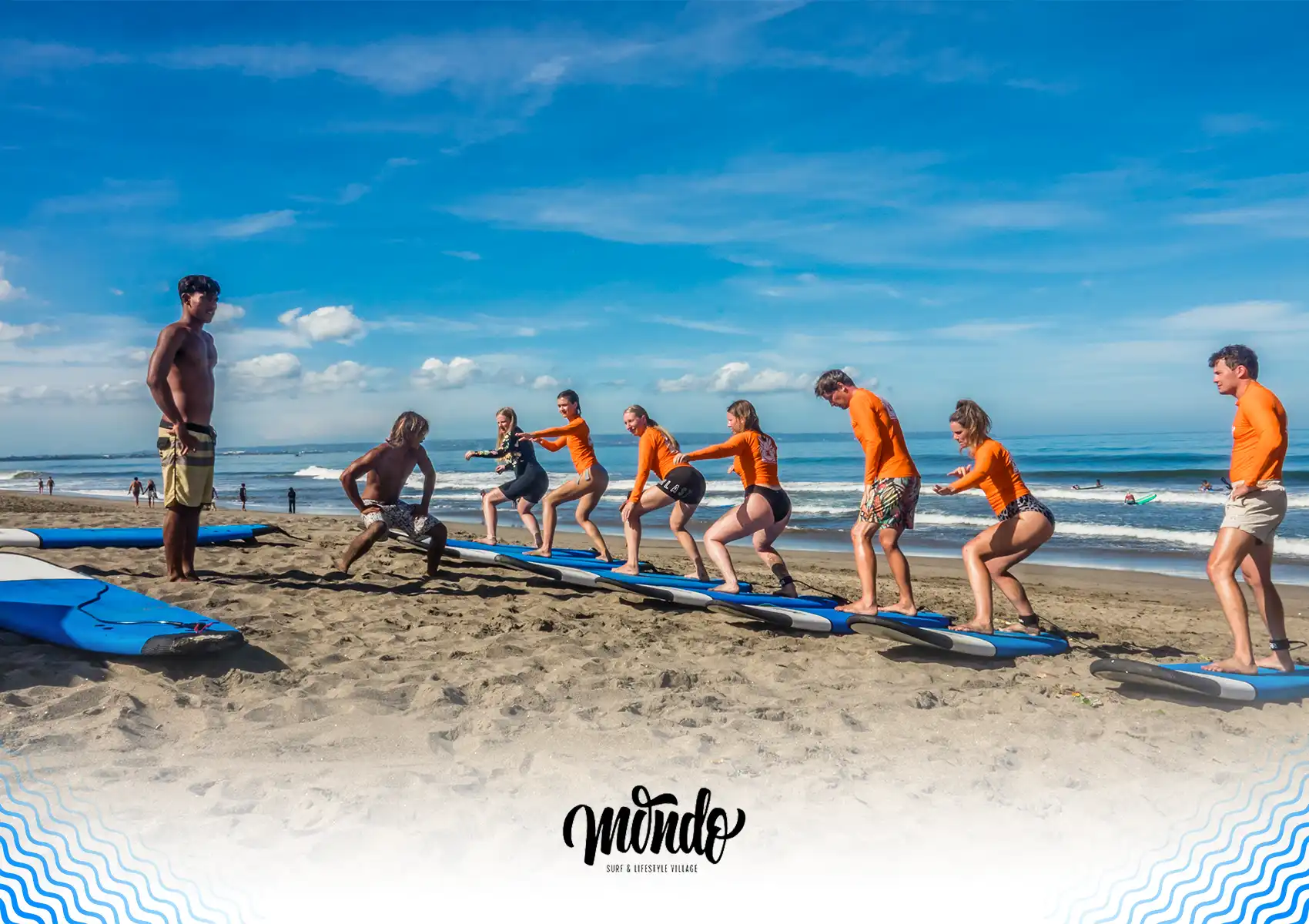
Before entering the water, you will work through the pop-up technique, stance, and paddle position on dry land. Repetition on the sand builds the muscle memory that carries into the water. Rushing this stage is one of the most common reasons beginners struggle to translate what they understand into what their body actually does when the wave arrives.
Catching Your First Waves in the Water
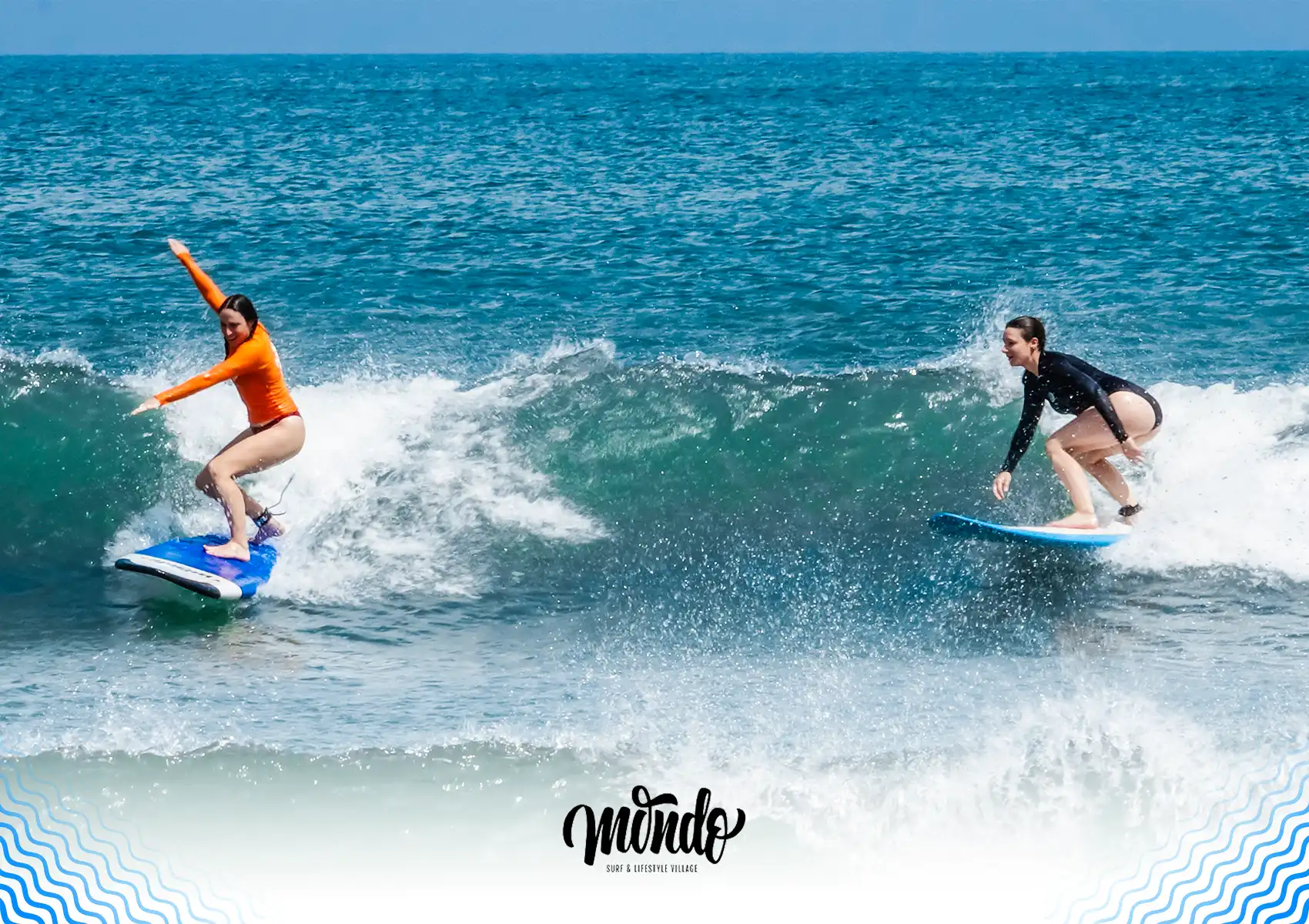
White water waves come first. Your instructor will either push the board at the right moment or call your timing from the water beside you. The transition from white water to unbroken waves happens gradually, as your reading of the ocean and your confidence on the board improve. There is no fixed timeline for this. Progress depends on the individual and the conditions on the day.
Wave Selection and Basic Ocean Reading
Even in the first lesson, you begin developing an understanding of which waves are worth paddling for. Identifying set patterns, timing your positioning, and staying aware of other surfers in the lineup are skills that build your independence in the water well beyond the lesson itself.
Start Your Surf Journey at Mondo Surf Village
Knowing where to surf and what a lesson involves is only the starting point. How those sessions are structured and supported across a full week makes the real difference to your progress.
Beginner Sessions at the Right Breaks Each Day
At Mondo Surf Village, coaches assess conditions each morning and select the appropriate beach for each surfer’s level. Beginners are never placed in breaks that go beyond their ability on that day.
Structured Coaching and Video Analysis
Sessions at Mondo include direct in-water coaching, with video analysis reviewed on-screen after each session. Corrections are specific to what each individual surfer is actually doing on the wave, not general guidance delivered to the group as a whole.
Join Mondo Surf Village for Your First Surf Lessons in Canggu
If you are ready to move from the sand to the water with structured support from your first session, Mondo Surf Village runs a coaching programme built around real progression. Join Mondo Surf Village and experience surf lessons in Canggu as part of a proper surf camp Bali, with daily coaching, video review, and the right breaks chosen for your level each morning.
Frequently Asked Questions
Short answers to the questions we hear regularly from beginners planning their first surf lessons in Canggu.
1. Are surf lessons in Canggu suitable for complete beginners?
Yes. Canggu is one of the most beginner-friendly surf destinations in Bali. The beach breaks at Batu Bolong and Old Man’s produce forgiving, mellow waves that give first-time surfers the time and space to learn without being overwhelmed.
How many lessons does it take to stand up on a surfboard?
Many beginners stand up during their first session in white water. Riding unbroken waves consistently takes longer and varies from person to person. A structured week of lessons produces noticeably more progress than single sessions taken days apart.
2. What is the best beach for beginner surf lessons in Canggu?
Batu Bolong is the most common choice for first lessons due to its wide takeoff zone, long-peeling waves, and forgiving bottom. Old Man’s is well-suited to beginners returning for a second or third session.
3. Do surf lessons in Canggu include equipment?
Yes. Surf schools provide a soft-top board and a rash guard. You bring your own sunscreen, water, and swimwear.
4. What time of day is best for beginner surf lessons in Canggu?
Early morning sessions, typically starting between 7 am and 9 am, offer the cleanest conditions. Wind tends to pick up throughout the day, affecting wave quality and making learning more difficult.
5. Is surfing in Canggu safe for beginners?
Canggu’s beginner beaches are among the safer learning environments in Bali. Forgiving wave conditions, sandy entries, and structured instruction make the experience manageable for those with no prior ocean experience.
6. How do instructors choose which beach to use each day?
Swell size, tide, wind direction, and crowd levels all factor into the decision. Experienced instructors assess conditions each morning rather than defaulting to the same location regardless of what the ocean is doing that day.