
If you have seen a wave stand up, curl into a hollow tube, and crash down in one heavy motion, you have watched a plunging wave. These waves draw photographers to the water and give surfers the sessions they remember long after the trip ends. Knowing what to expect before you paddle out is important, because these waves can be as challenging as they are rewarding.
What Is a Plunging Wave
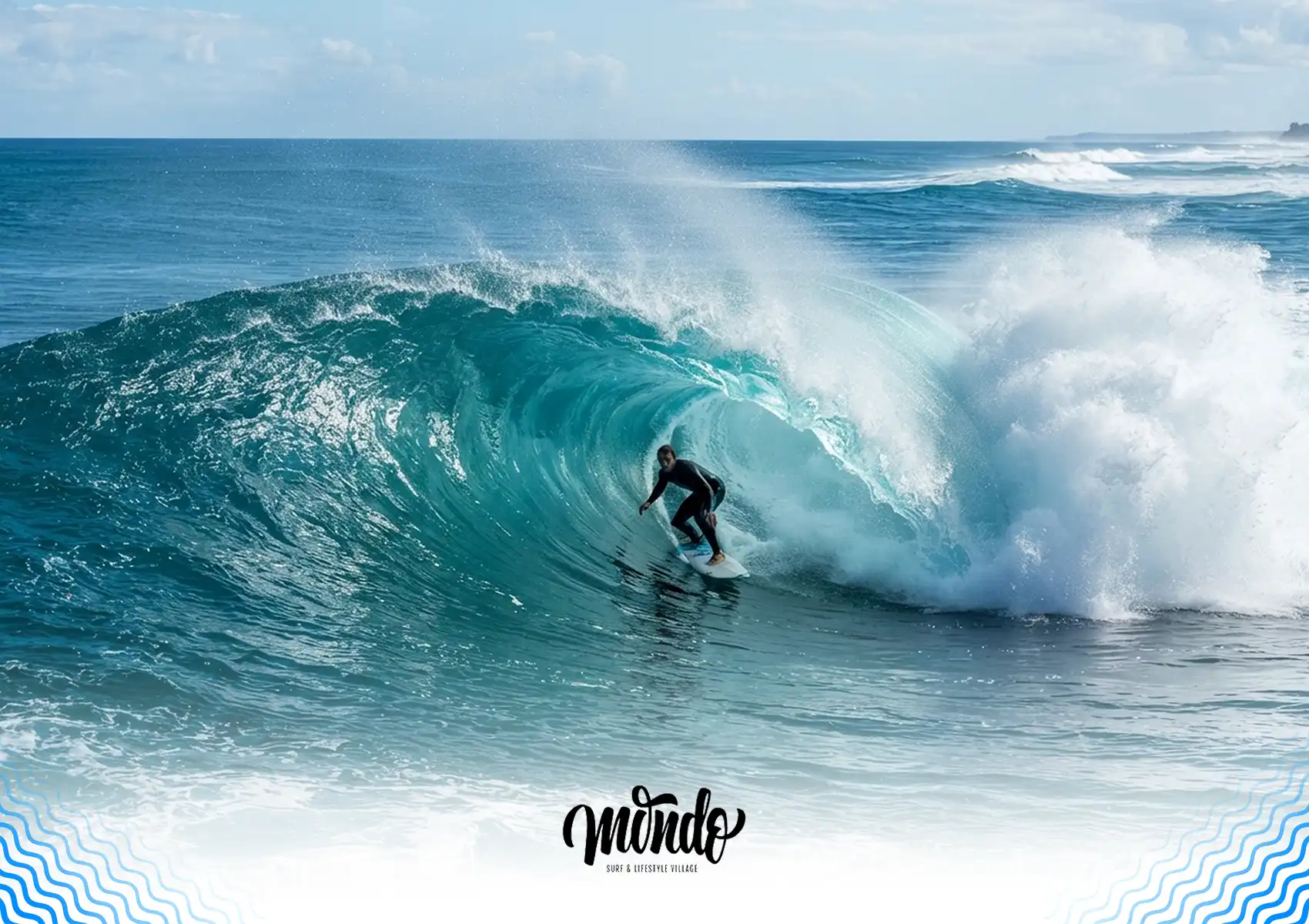
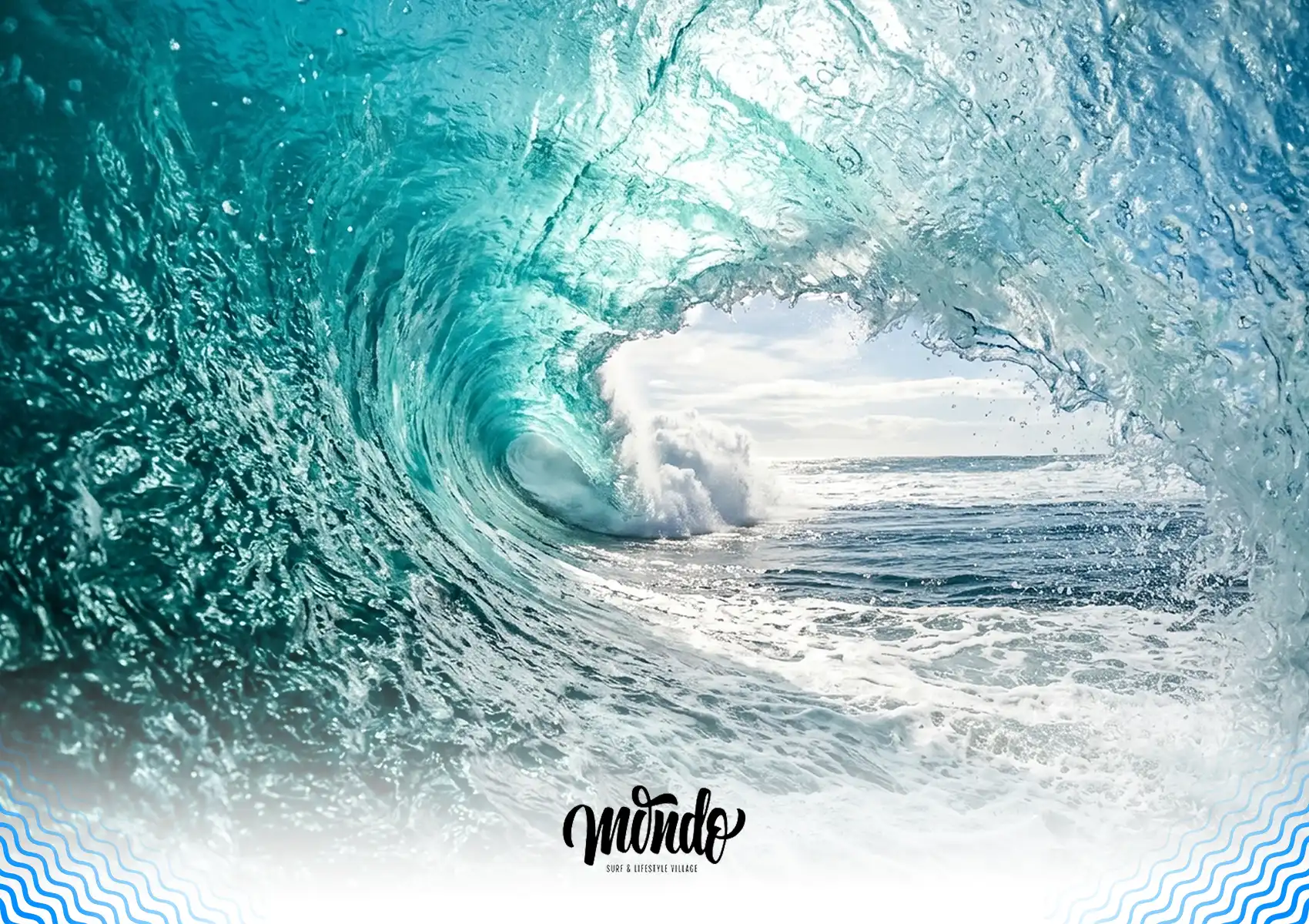
A plunging wave forms because of the shape of the sea floor. As a wave moves from deep water onto a shallow reef or sandbar, the bottom slows down while the top keeps moving. This difference tips the wave forward until the crest throws out ahead and lands with a heavy, curling crash. The hollow space left behind is the barrel, and that is what makes a plunging wave stand out.

What Makes Plunging Waves Worth Riding
For surfers who are ready, plunging waves offer something different. As the crest throws over, it arcs above your head and leaves a pocket of open space between you and the falling water. For a few seconds, you are inside the barrel. That short ride is what many surfers spend years trying to do. Part of the appeal is the power. A plunging wave releases all its energy in a single moment, so you feel a sudden push as you drop in. It moves you faster than a gentle wave. That same power is why timing and experience are important when you ride these waves.
Plunging Waves and Staying Safe
Plunging waves deserve respect. Some surfers are ready for them, and some are not. The key is to match the wave to your level.
Knowing Your Level
If you are still learning to stand up and ride along the open face of a wave, a plunging wave is not the place to start. It breaks hard and over shallow ground, which means a higher risk of a heavy wipeout. Once you can paddle out and catch unbroken waves on your own, you are moving into the intermediate range where steeper, more powerful waves become possible. This is often when surfers start working with a coach to read conditions and choose the right waves.
How to Spot a Plunging Wave From the Beach
Watch how the waves break before you paddle out. A plunging wave stands up steep, curls over at the top, and breaks with a clean, heavy crash. A spilling wave, by contrast, tumbles down its face in a softer, whiter roll. Learning to spot the difference from the beach helps you choose the right spot for your level.
Where You Meet Plunging Waves in Bali
Bali is known for every kind of wave, but its reefs in particular produce many of the plunging waves that surfers travel here to ride.
Reefs and Beach Breaks Along the Coast
Along the Canggu coast, reef breaks tend to create steeper, more hollow waves, while the nearby beach breaks usually break more gently. The same stretch of coastline can offer very different waves depending on the tide, swell, and wind on any given day. This is why checking conditions before each session is part of every surfer’s routine here.
Reading Conditions With a Coach
Learning which waves suit your level takes time, especially when you are new to the water. As a surf camp in Bali built around coaching and community, we pair every session with video feedback, so you learn to read the waves before you paddle out.
From Watching the Sea to Reading It
A plunging wave is one that meets shallow water and pitches over, powerful and best approached once you know your level. You have learned to spot one from the shore. The next step is feeling how the ocean moves beneath you. Join a session at Mondo Surf Village, where surf coaching, daily yoga, and video feedback help you read the waves and progress at a pace that fits you.
Frequently Asked Questions
A few common questions come up when surfers start paying attention to how waves break and what that means for their session.
What Is a Plunging Wave in Simple Terms?
A plunging wave curls over and breaks in a single, powerful motion, forming a barrel. It happens when a wave meets shallow water quickly, usually over a reef or steep sandbar. Surfers prize these waves for the barrels they create.
When Are You Ready to Surf a Plunging Wave?
You are ready when you can consistently paddle, pop up, and control your board on smaller, gentler waves. Most surfers reach this point through steady practice and honest feedback, not after a set number of sessions. A coach can help you know when you are ready.
How Do You Spot a Plunging Wave?
You spot a plunging wave by how suddenly and loudly it breaks. Watch from the beach for a wave that stands up steep and throws over in one motion, instead of crumbling gently down its face. The louder the break, the more likely it is a plunging wave.