The surf spots in Canggu are one of the main reasons surfers choose Bali over other destinations, and for anyone joining a surf camp in Bali, knowing which breaks suit which level makes an immediate difference to every session. Canggu packs a wide variety of wave types into a short stretch of coastline, from slow, forgiving rollers to fast reef sections. Knowing where to go and when removes a considerable amount of guesswork before you paddle out.

What Surfing in Canggu Is Actually Like
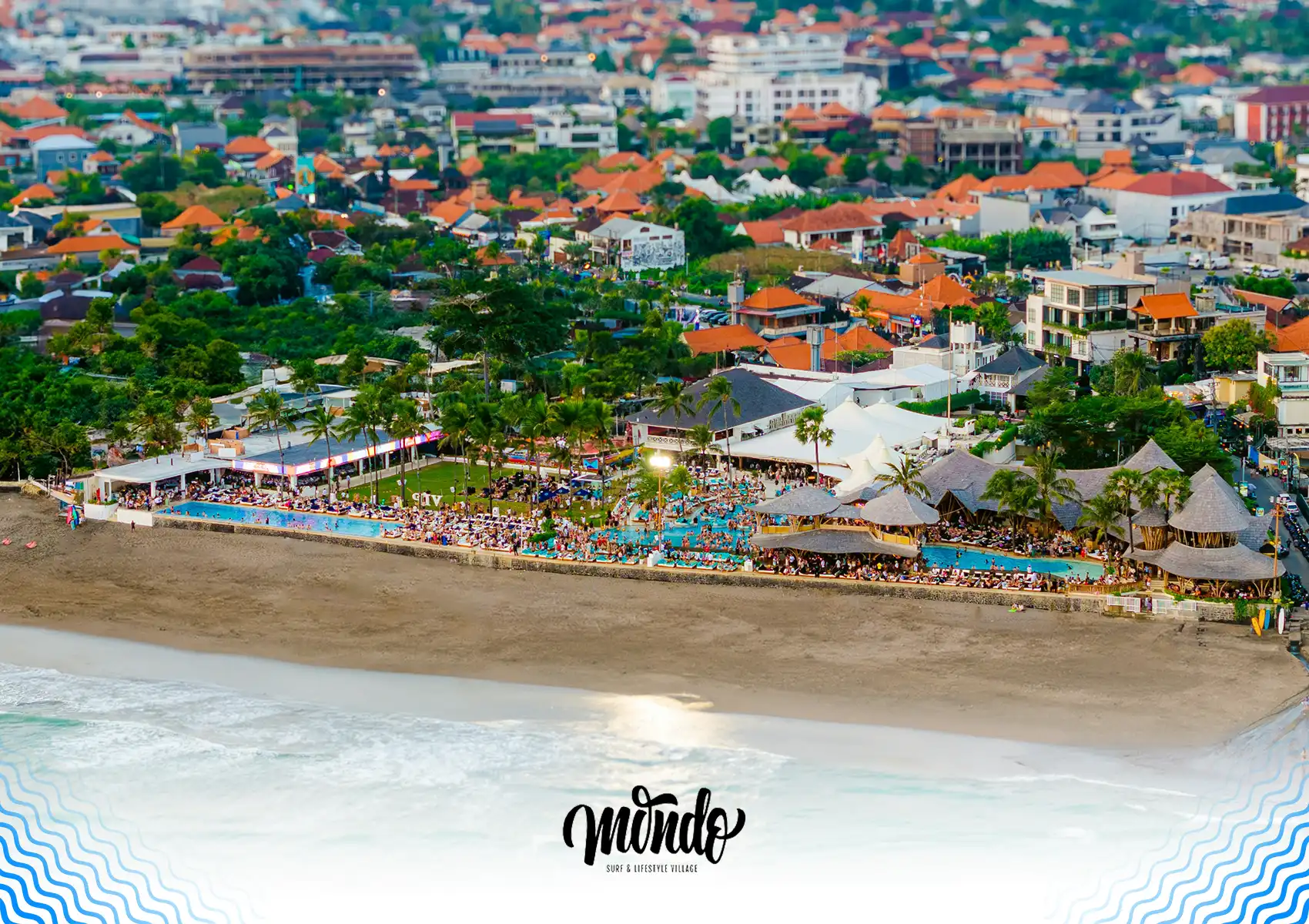
Canggu is not a single, consistent surf experience. Several distinct breaks operate along the same coastline, each with its own character.
Wave Types Across the Canggu Coastline
Canggu is primarily a reef break coastline, though several spots behave more like beach breaks on smaller swells. The reef creates defined peaks and channels but also means conditions shift quickly as the tide moves.
How Conditions Change Throughout the Day
Offshore winds in the early morning produce clean wave faces across the coastline. By mid-morning, onshore winds roughen the surface. Dawn sessions consistently outperform afternoon sessions at every break.
How Swell Direction and Size Shape Each Session
Canggu faces southwest and picks up consistent swell along Bali’s west coast. Larger swells activate heavier sections not suitable for beginners, while smaller swells soften each break and open up more options.
The Surf Spots in Canggu Broken Down by Skill Level
Canggu has waves for every stage of surfing, but choosing the wrong break for your level leads to avoidable risk. Here is how each spot maps to the ability level.
Batu Bolong and Old Man’s for Beginners
Wave type: Soft reef / beach-style break
Best for: Beginners and longboarders
Batu Bolong and Old Man’s produce long, peeling waves over a shallow reef with wide takeoff zones. Both are forgiving, work best at mid to high tide, and are consistently the right choice for surfers building their fundamentals.
Berawa Beach for Progressing Intermediate Surfers
Wave type: Mixed reef and sand break.
Best for: Intermediate surfers stepping down to shorter boards
Berawa sits north of Batu Bolong and offers a step up in pace and challenge. The Peak at mid-tide produces punchy A-frame walls for surfers transitioning to shorter boards. The Bombie suits longboards on slower swells, while The Ledge is a shallow reef section for advanced surfers.
Echo Beach for Intermediate and Advanced Surfers
Wave type: Faster reef break
Best for: Intermediate to advanced surfers
Echo Beach delivers more power and speed than Batu Bolong or Berawa. The break demands experience on reef breaks and is not suitable for beginners, regardless of wave size.
Pererenan for Advanced Surfers
Wave type: Hollow reef break
Best for: Advanced surfers
Pererenan offers technical, faster-breaking waves with fewer crowds than Echo Beach. The left side closes out over a shallow reef on the inside and becomes hazardous as the tide drops.
Nelayan Beach as a Quieter Alternative
Wave type: Inconsistent beach and reef break
Best for: All levels on quieter days
Nelayan sits between Batu Bolong and Echo Beach and is rarely crowded. It is inconsistent and generally softer than the surrounding breaks, making it a useful overflow option rather than a primary destination.
The Three Breaks That Make Up Echo Beach
Echo Beach is not one wave but three separate breaks in the same zone. Each suits a different level of experience.
The Rivermouth
The Rivermouth is a fast, steep right-hand wedge over a submerged rock shelf. It rewards surfers who read the peak quickly and is generally less crowded than The Sandbar.
The Sandbar
The Sandbar is a powerful left-hand wedge over a sandy bottom, making falls more forgiving than on a reef. It handles a wide range of swells and is one of the better-performing waves in Canggu.
Echo Beach Left
Echo Beach Left is a shorter, sharper reef break at the southern end of the zone. It barrels on a solid swell and is typically less crowded than The Sandbar.
The Best Time to Surf in Canggu
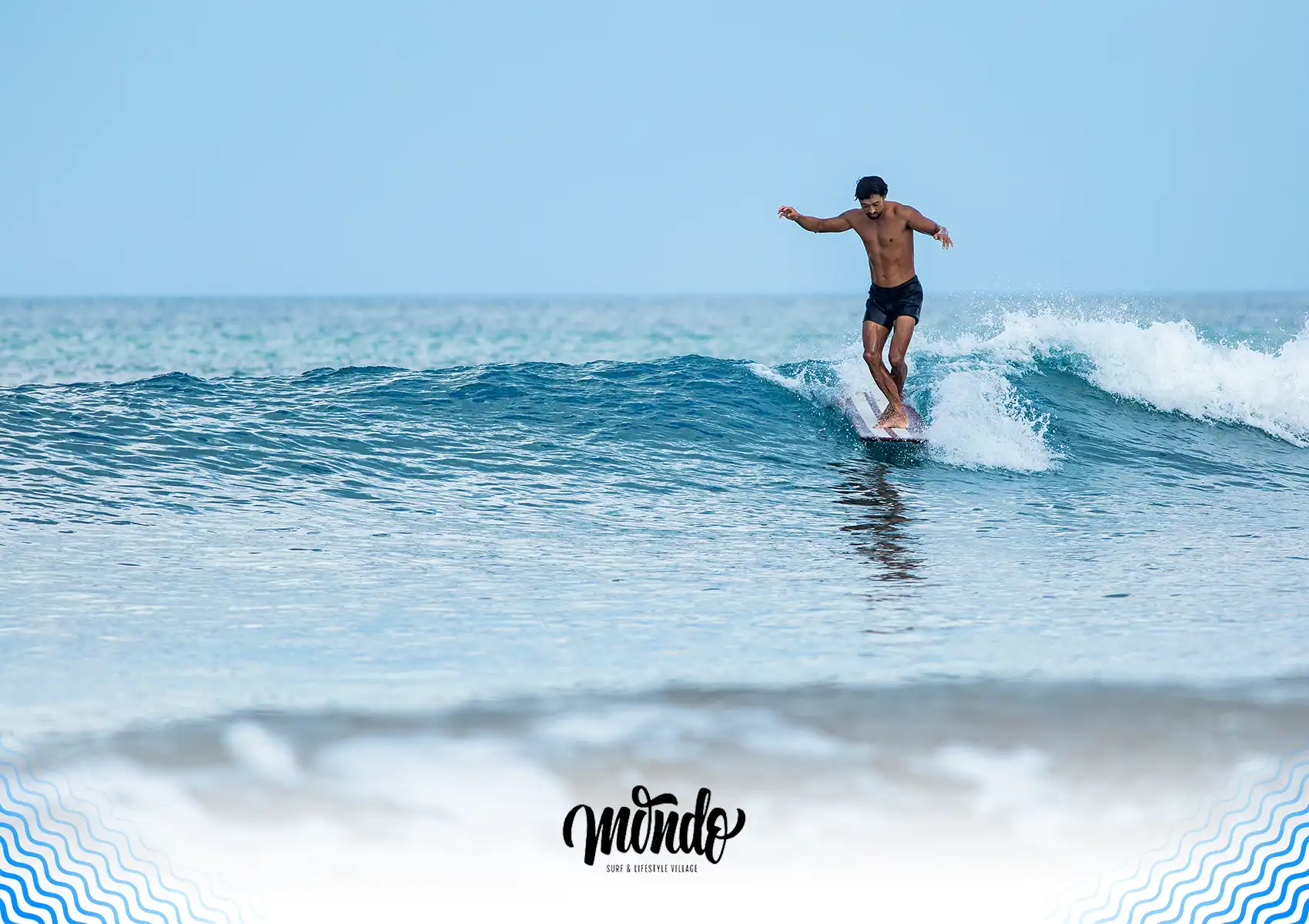
When you surf matters as much as where. Timing sessions well improves wave quality and reduces time wasted in poor conditions.
Why Dawn Sessions Are the Most Consistent
Offshore winds before 10 am produce clean wave faces at every break. Lineups are at their quietest, and the water is easier to read, which is why structured sessions are timed around dawn.
Dry Season vs Wet Season Surfing in Canggu
The dry season from April to October brings consistent southwest swells and reliable offshore mornings. The wet season from November to March brings variable conditions, though early mornings can still produce workable surf, particularly for beginner surfers on softer waves.
How Tide Affects the Main Breaks
Batu Bolong and Old Man’s work best at mid to high tide. The Sandbar performs well at low to mid tide. Pererenan becomes hazardous as the tide drops and the reef is exposed. Checking the tide chart before paddling out is a straightforward habit that avoids wasted sessions.
Practical Tips for Surfing in Canggu
Understanding the surf spots in Canggu is one part of surfing well here. Knowing how to behave safely in the water, whether at surf camp in Bali or independently, is the other.
Choosing the Right Spot for Your Level
Avoid surfing beyond your ability on reef breaks. Echo Beach and Pererenan are not appropriate for beginners on any day, regardless of wave size.
Wave Priority and Lineup Behaviour
The surfer closest to the peak has right of way on every wave. In Canggu’s competitive lineups, this rule is taken seriously. Waiting for your turn prevents most avoidable conflicts.
Reading Conditions Before You Paddle Out
Spend a few minutes watching from the beach first. Identify the channel where the peak is breaking, and how the crowd rotates through sets.
How Mondo Surf Village Approaches Spot Selection
Selecting the right break on the right day requires local experience. The coaching team at Mondo handles that decision so surfers can focus on the water.
Daily Condition Checks and Session Planning
Mondo’s coaches assess swell size, tide, and wind direction before each session. Surfers are directed to the break that best suits their level that day rather than following a fixed schedule.
Why Local Knowledge Changes Your Surfing Experience
Local coaches know which spots are working and which to avoid. That knowledge keeps surfers on the right wave and makes a measurable difference to progress across the week.
Join Mondo Surf Village for Your Next Surf in Canggu
Ready to surf the right surf spots in Canggu with coaches who know the coastline? Join Mondo Surf Village and experience structured morning sessions at surf camp Bali with a team that selects each break based on your level and the day’s conditions.
Frequently Asked Questions
Short answers to the questions we hear regularly about surfing in Canggu.
What are the best surf spots in Canggu for beginners?
Batu Bolong and Old Man’s are the right starting points. Both produce long, forgiving waves with wide takeoff zones across a range of tides.
Is Echo Beach suitable for intermediate surfers?
On smaller days, experienced intermediate surfers can manage sections of Echo Beach. It is generally better suited to surfers already confident in reef breaks.
What is the best time of year to surf in Canggu?
The dry season from April to October brings consistent swells and offshore mornings. The wet season brings variable conditions, though early mornings can still produce workable surf.
How does the tide affect the different surf spots in Canggu?
Batu Bolong and Old Man’s work best at mid to high tide. The Sandbar performs best at low to mid tide. Pererenan is best avoided as the tide drops and the reef is exposed.
Is local coaching necessary for surfing in Canggu?
It is not required, but local coaches know which breaks suit each day’s conditions and keep surfers on the right wave throughout their sessions.