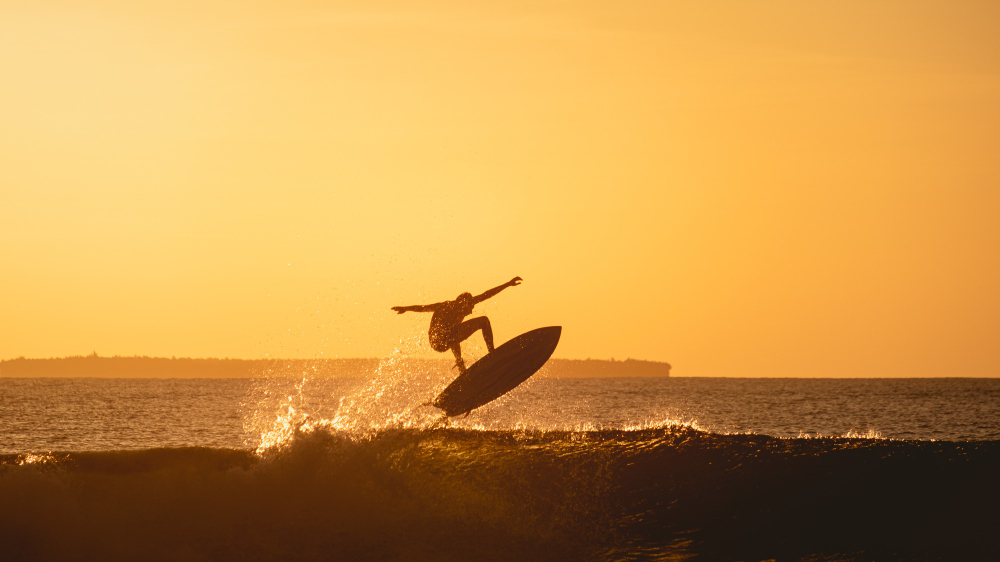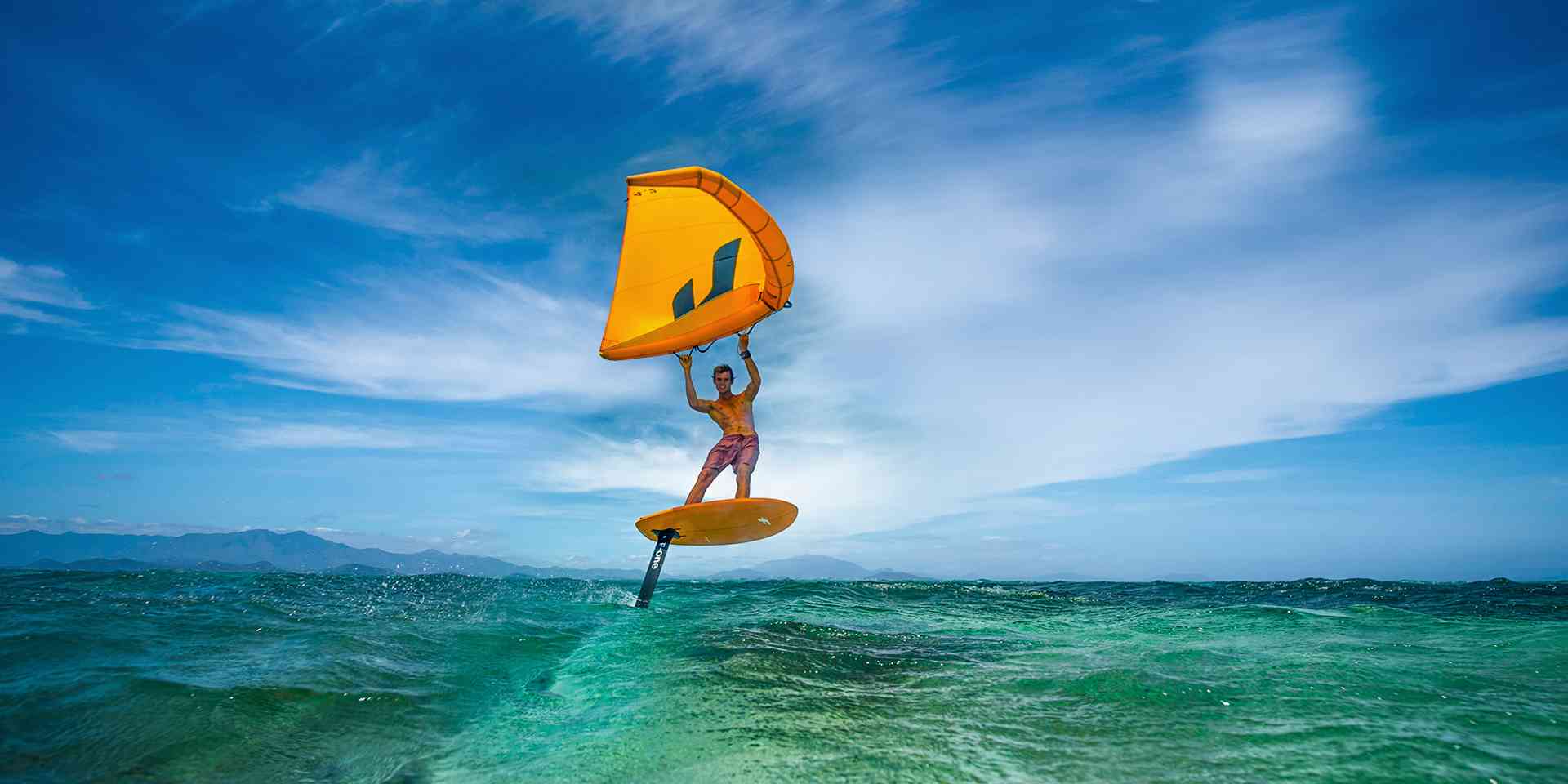
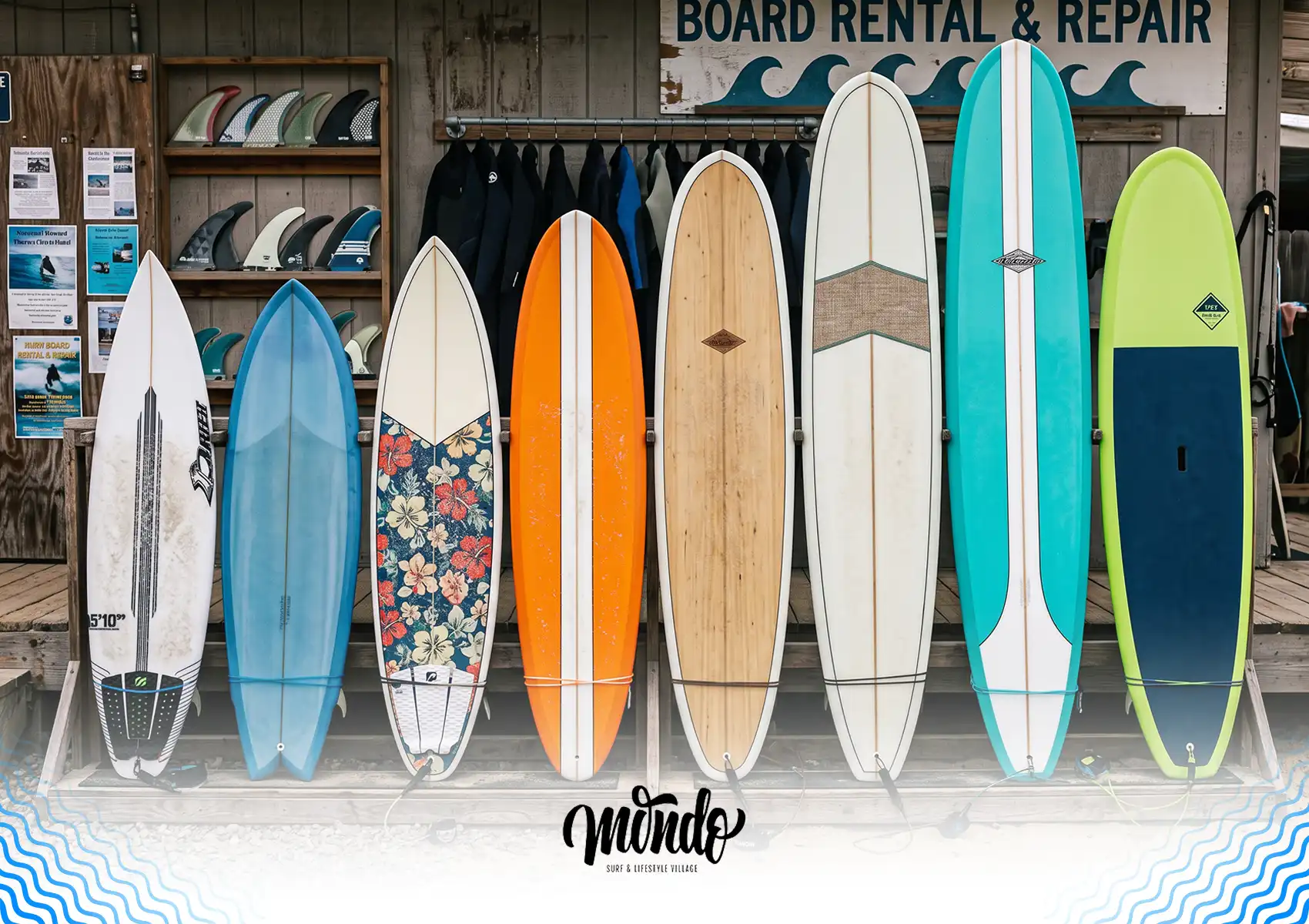
Standing in front of a wall of boards, it is easy to feel unsure which one is right for you. The different types of surfboards are designed for different skill levels, wave conditions, and surfing styles. Choosing the right one makes learning and progression much easier. Whether you are learning at a surf camp in Bali or buying your first board at home, this guide helps you match the board to your level.
Understanding the Main Types of Surfboards
Boards fall into a handful of broad shapes, and each one behaves differently in the water.
Foam Boards and Soft Tops
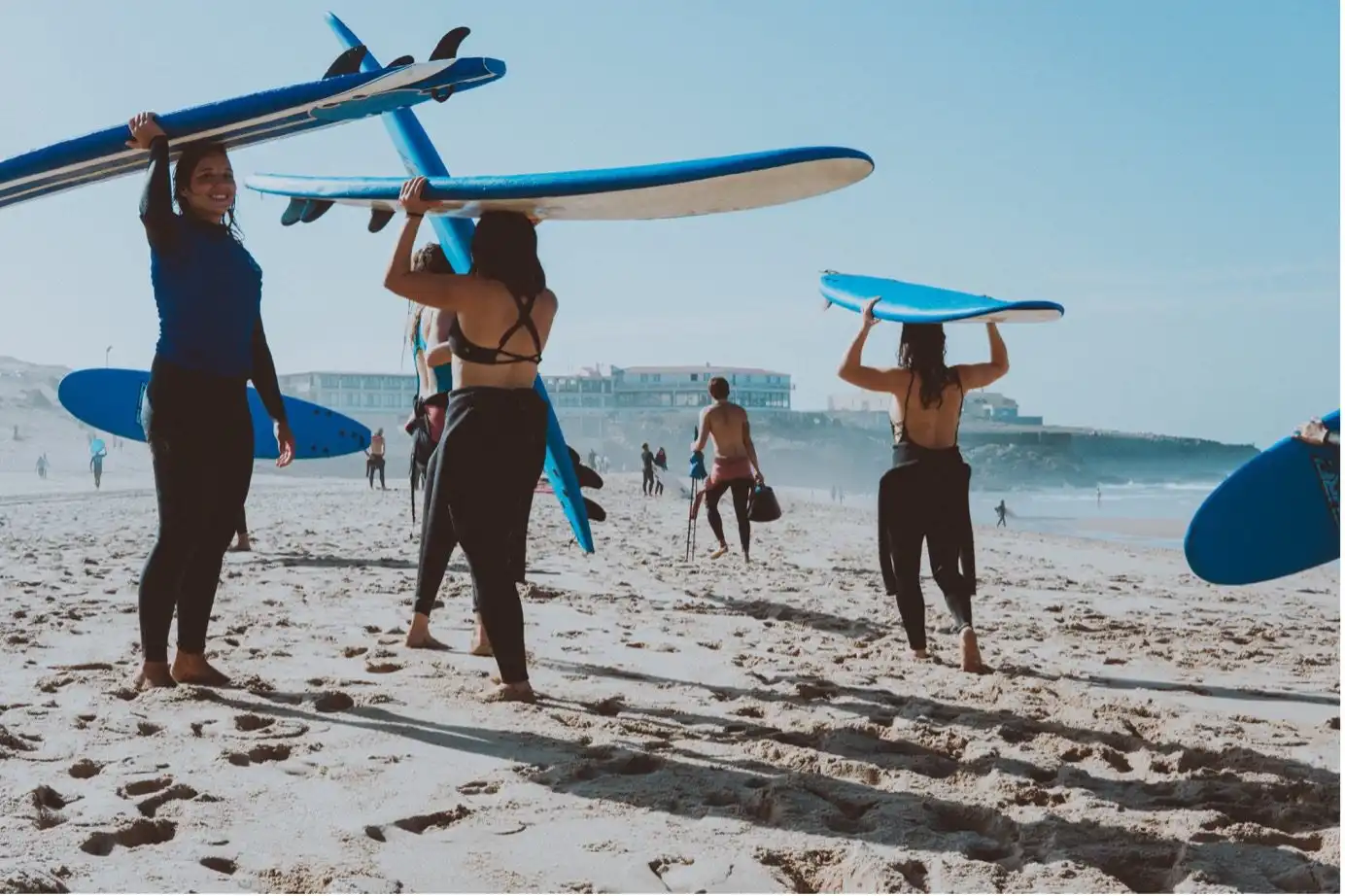
Soft-topped foam boards are wide, thick, and forgiving, which makes them the usual starting point. They offer excellent flotation and are made from softer materials, reducing the impact if you fall or come into contact with the board during practice.
Longboards
Longboards are typically around 9 feet long, with plenty of volume for easy paddling and a smooth, gliding ride. Longboards suit beginners because they paddle easily and catch waves early. Experienced surfers also enjoy them for their smooth, flowing style on smaller waves.
Funboards and Mini Mals
Sitting between longboards and shortboards, funboards and mini mals retain much of the stability while being easier to turn. They are a popular next step once the basics start to click.
Fish and Hybrids
Fish and hybrid boards combine extra width with shorter lengths, helping maintain speed in smaller waves. Hybrid shapes are often a good step for improving surfers, while fish boards generally suit surfers who already have solid fundamentals.
Shortboards
Shortboards are light, narrow, and highly responsive, built for quick turns and steeper waves. They are the hardest to paddle and catch waves on, so they reward surfers who already have solid technique.
Matching a Board to Your Level
The right board is the one that matches where you are now, not the one you hope to ride one day.
The Best Surfboard for Beginners
For your first sessions, choose a foam board or a longboard. The extra size and float make waves easier to catch and standing up far more likely. This is why most beginners at a surf camp in Bali start on foam boards before moving to smaller shapes.
The Best Intermediate Surfboard
As you start catching and riding waves on your own, a funboard, mini mal, or hybrid makes a natural next board. The best intermediate surfboard is one that still forgives mistakes while letting you turn and develop better turning technique and wave control.
Boards for Advanced Surfers
Once your technique is consistent, high-performance shortboards and more specialised shapes allow tighter turns, faster manoeuvres, and better performance in steeper waves.
Finding Your Board at a Surf Camp
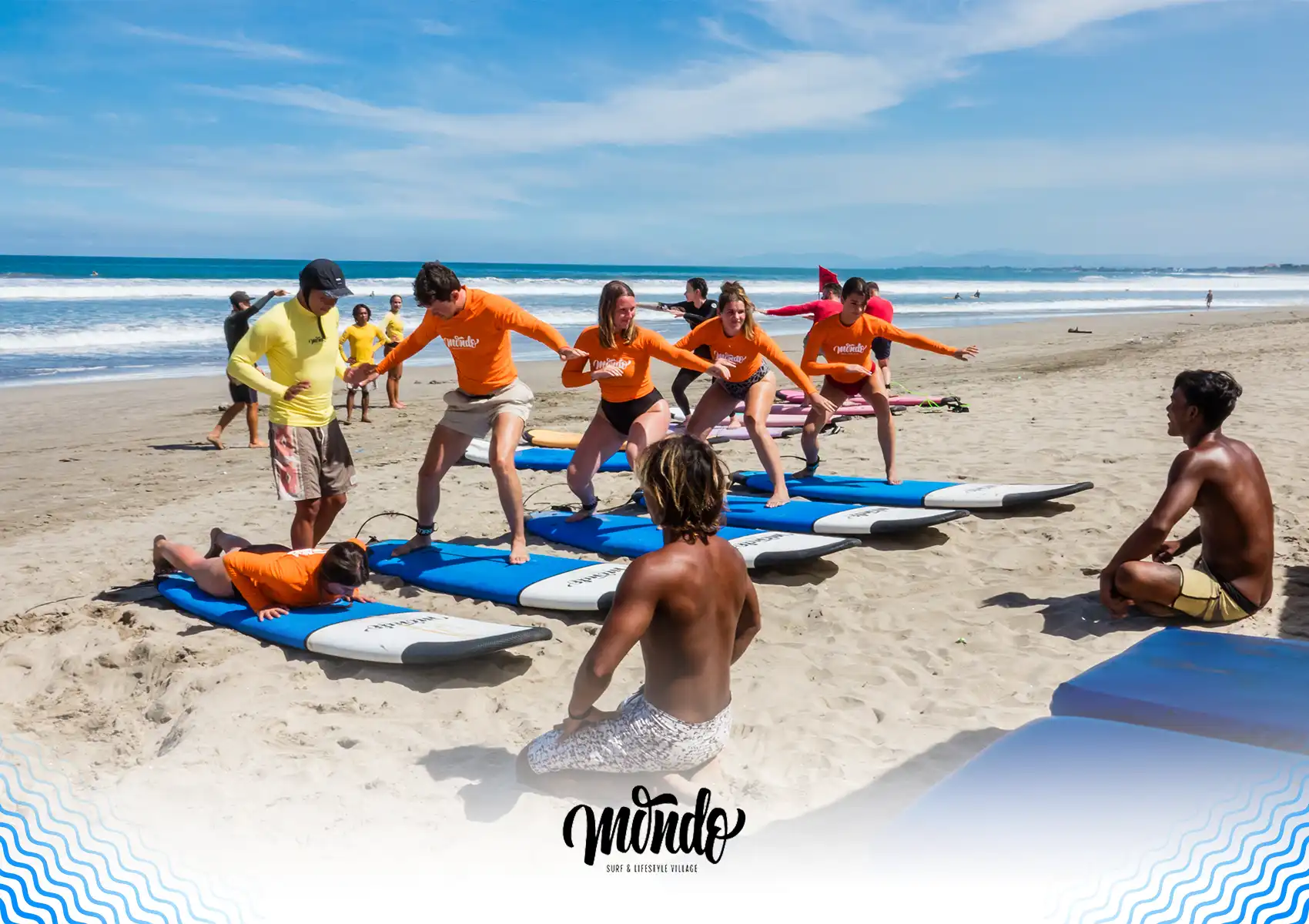
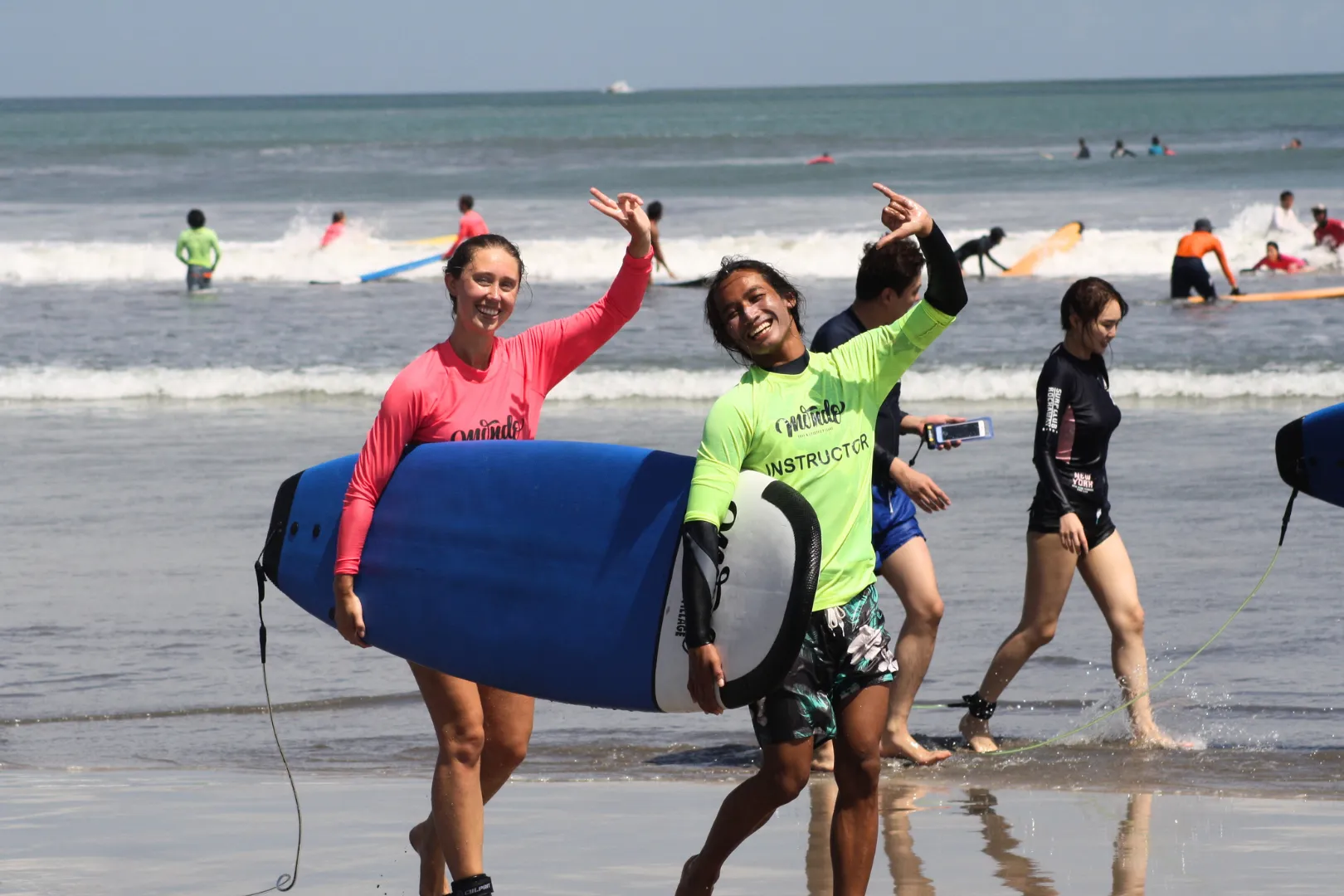
Choosing a board becomes much easier when you can test different shapes with guidance from experienced instructors. Mondo Surf Village, a surf camp in Bali allows you to try different shapes of boards.
Try Before You Commit
Surfing different boards in similar conditions quickly shows how each shape paddles, catches waves, and turns. A good camp gives you the chance to test different boards as your surfing changes, so you feel for yourself what suits you.
Let Your Coach Guide You
An experienced coach watches how you paddle, pop up, and ride waves before recommending a board that matches your current ability. With personalised surf coaching, the guesswork disappears, and each session builds on the last.
Frequently Asked Questions
What type of surfboard is best for beginners?
A foam board or a longboard is best for beginners. Their size and flotation make waves easier to catch and help you stay balanced while you learn to stand up.
What is the best surfboard for an intermediate surfer?
A funboard, mini mal, or hybrid tends to suit intermediate surfers well. These shapes still forgive small mistakes while giving you enough response to turn and build control.
How do I know when to move to a smaller board?
Move down in size only once you can consistently catch, stand, and ride along the wave. Rushing to a shorter board usually slows progress rather than speeding it up.
What is the difference between a longboard and a shortboard?
A longboard is bigger and more stable, with easy paddling and a smooth glide, while a shortboard is light and responsive for quick turns. Longboards suit learning and cruising, shortboards suit steeper waves and advanced surfing.
Do I need my own surfboard to learn to surf?
No, you do not need your own board to start. Lessons and camps usually provide boards suited to your level, which also lets you try different shapes before buying one.
Find the Board That Fits You
Not sure which board will take your surfing to the next level? At Mondo Surf Village in Pererenan, coaching helps you find the right board for your level as you progress, all within a surf camp in Bali built around real improvement. Join a session at Mondo Surf Village and feel the difference the right board makes.