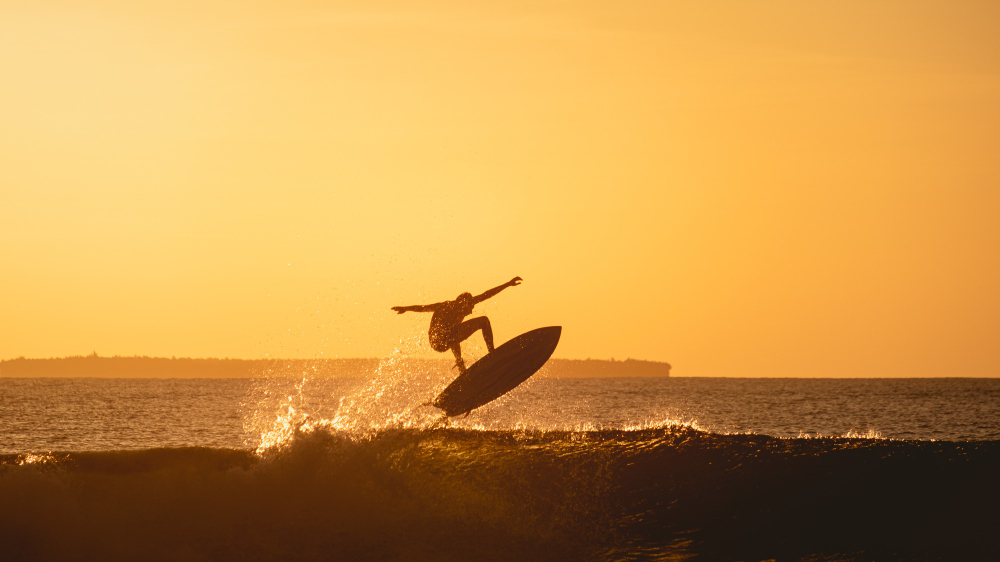
From the beach, all types of surfing look like one sport, but look closer, and it splits into a whole family of branches. It is one of the questions we hear most often from our guests, and the answer is more interesting than you might expect. This guide walks you through each type, how it works, and which one suits you best.
The Classic Types of Surfing on a Surfboard
Every other branch grew from these three. Standing on a board and riding a wave remains the heart of the sport.
Shortboarding
Shortboarding is built for speed, sharp turns, and steep waves. The boards are small and agile, which makes them demanding to paddle and quick to respond, so this type suits experienced surfers chasing performance.
Longboarding
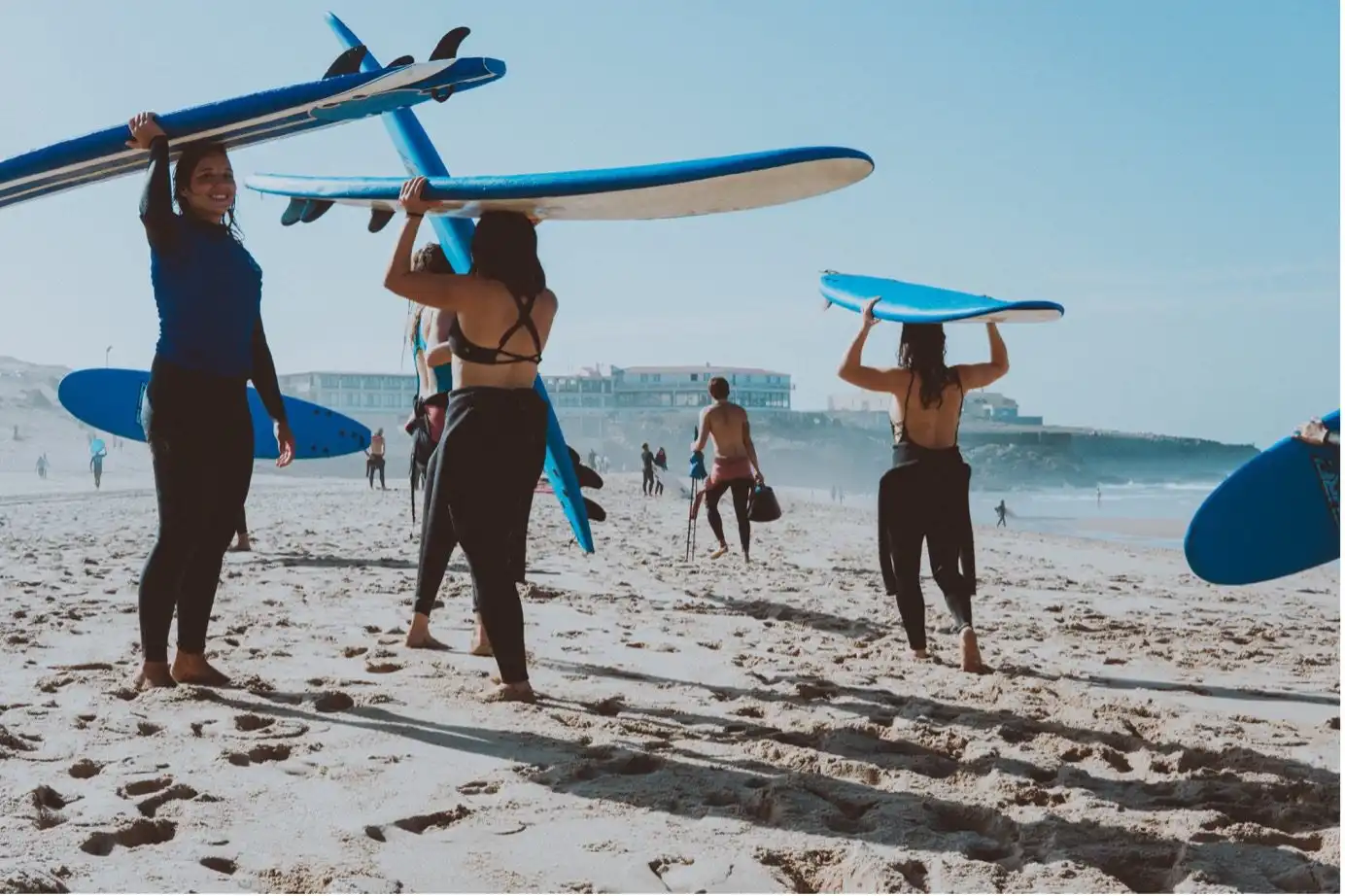
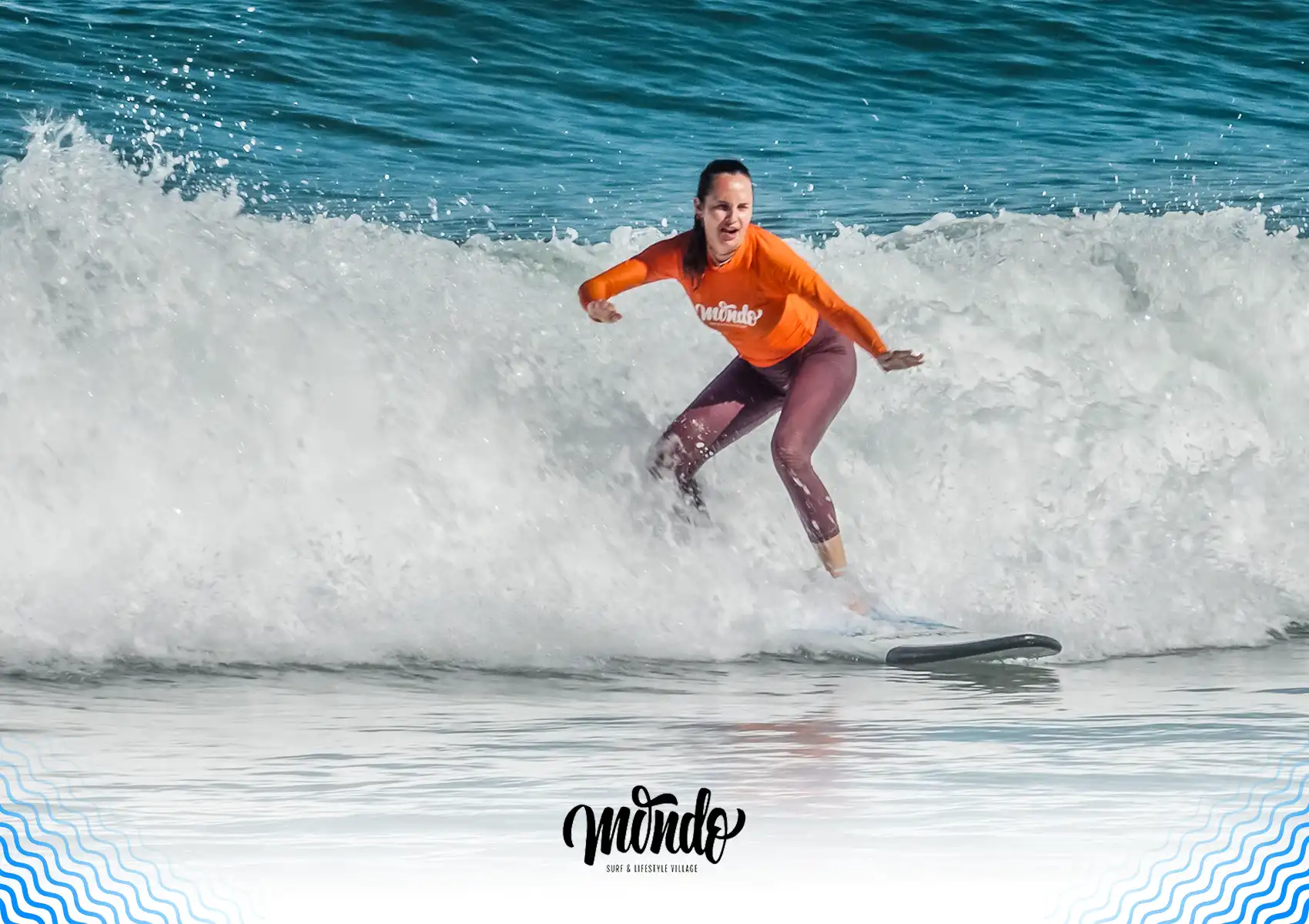
Longboarding is about glide, flow, and style. The larger board offers stability and catches waves more easily, making it the natural starting point for beginners.
Big Wave Surfing
Big wave surfing is the extreme end of the sport, where surfers ride giants at spots such as Nazaré and Jaws. Jet ski tow-ins and inflatable safety vests are essential and strictly for elite surfers.
Types of Surfing Without Standing Up
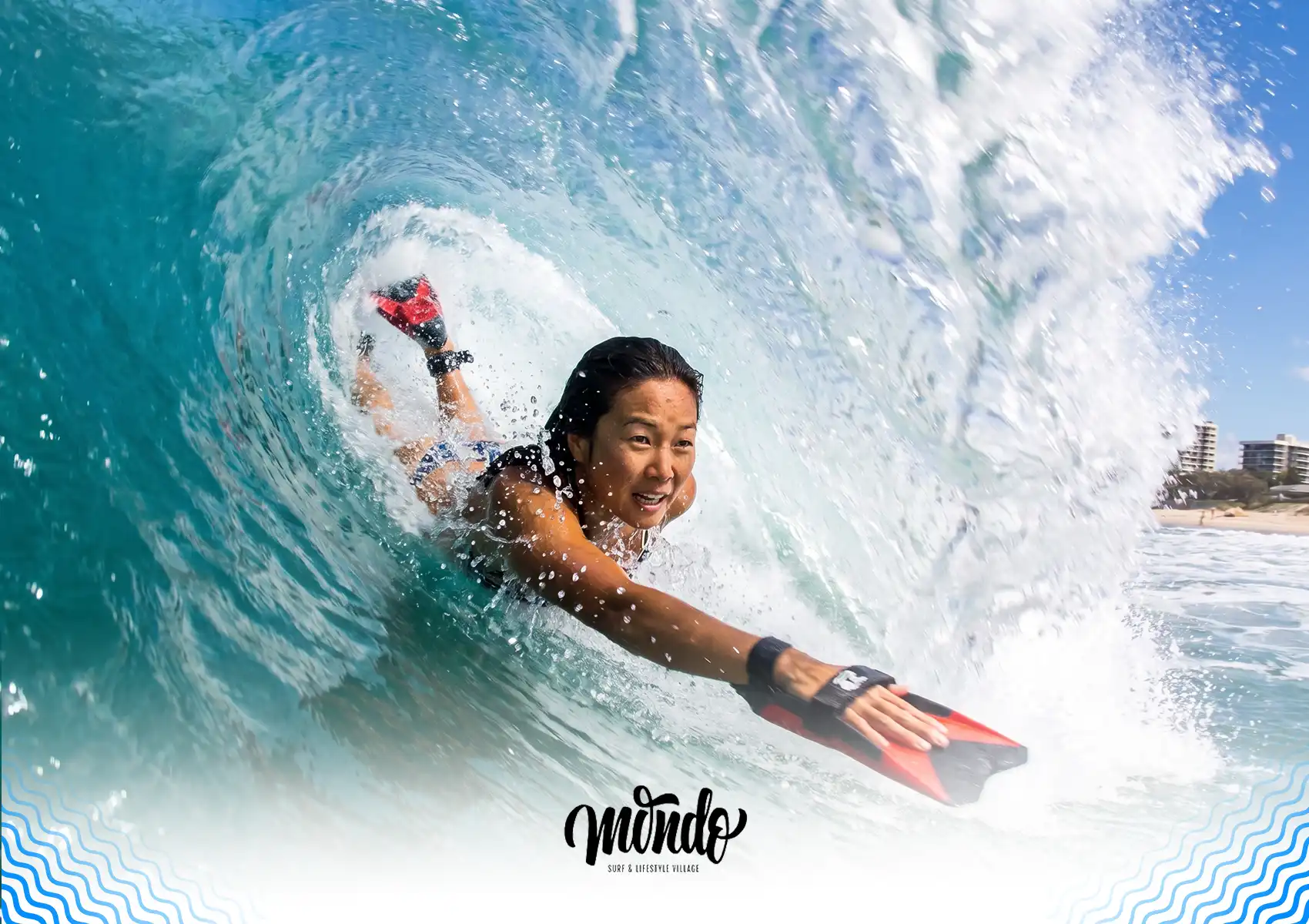
Not every type of surfing requires a pop-up, and these two are the most accessible entry points into the ocean.
Bodyboarding
Bodyboarders lie on a short foam board and use swim fins to increase speed and control positioning. The barrier to entry is low, yet skilled riders take on waves that most surfers would avoid.
Bodysurfing
Bodysurfing is the oldest form of the sport, riding waves with nothing but your body and a pair of fins. It builds ocean knowledge and wave reading like nothing else, which is why it makes every other type of learning easier.
Paddle and Wind-Powered Types of Surfing
These branches borrow the board but swap the engine, replacing wave power with paddles, wind, or hydrofoils.
Stand Up Paddleboarding
SUP riders stand on a large, stable board and move with a paddle, on anything from flat lakes to proper waves. It doubles as excellent cross-training, building the core strength and balance that surfing demands.
Kitesurfing
Kitesurfers harness wind power through a large kite, which means no waves are needed at all. After the basics, riders progress to jumps and aerial tricks, making it one of the most spectacular branches to watch.
Windsurfing
Windsurfers stand on a board with an attached sail, steering by shifting the rig and their body weight. It rewards technique and works anywhere with reliable wind, from lakes to open coastline.
Foil Surfing
Foil surfing places a hydrofoil beneath the board, lifting it completely above the water. Riders describe the sensation as flying, and because the foil generates its own lift, even the smallest unbroken swell becomes rideable.
Which Type of Surfing Should You Learn First
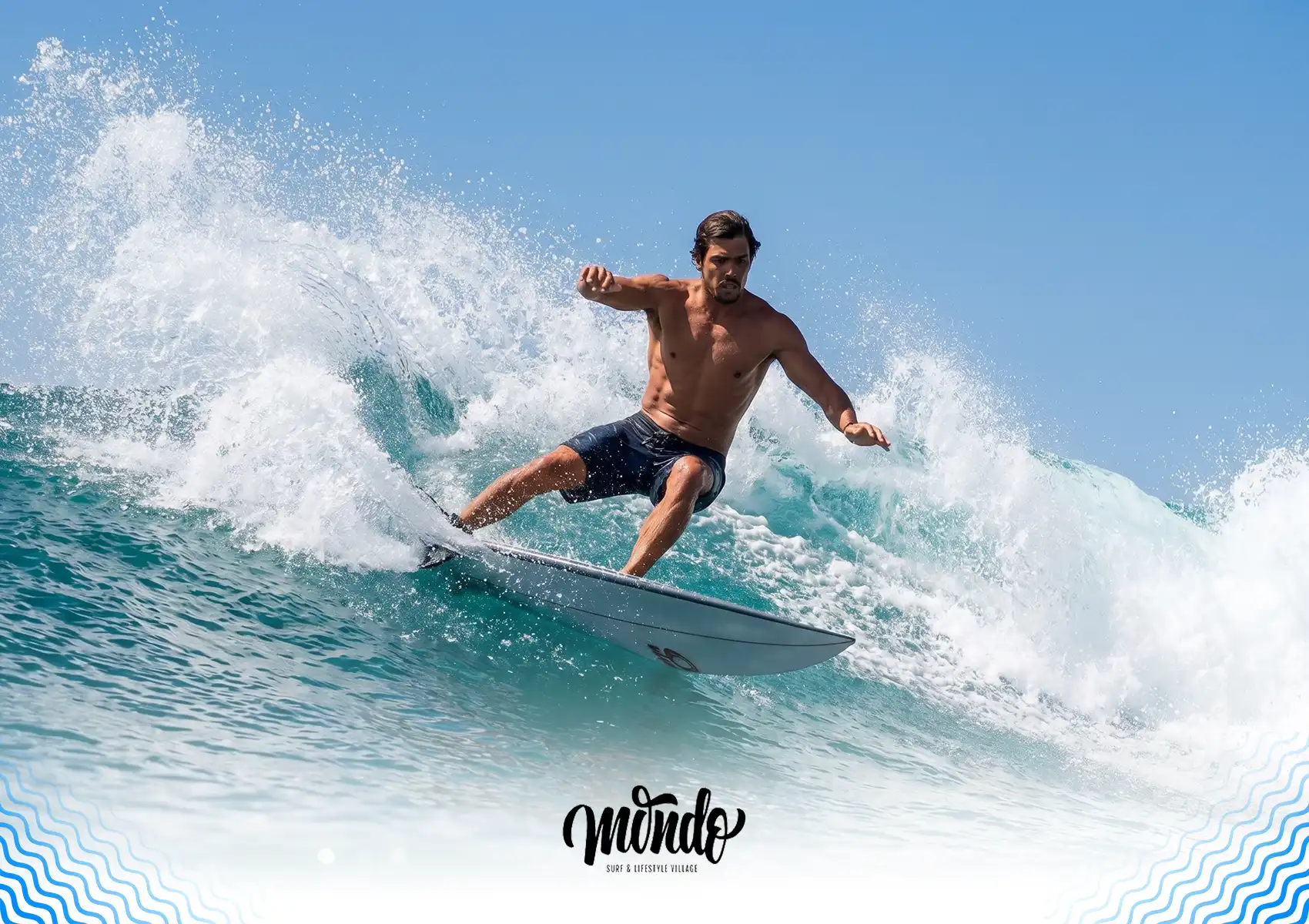
With so many options, the honest answer is simpler than you might expect.
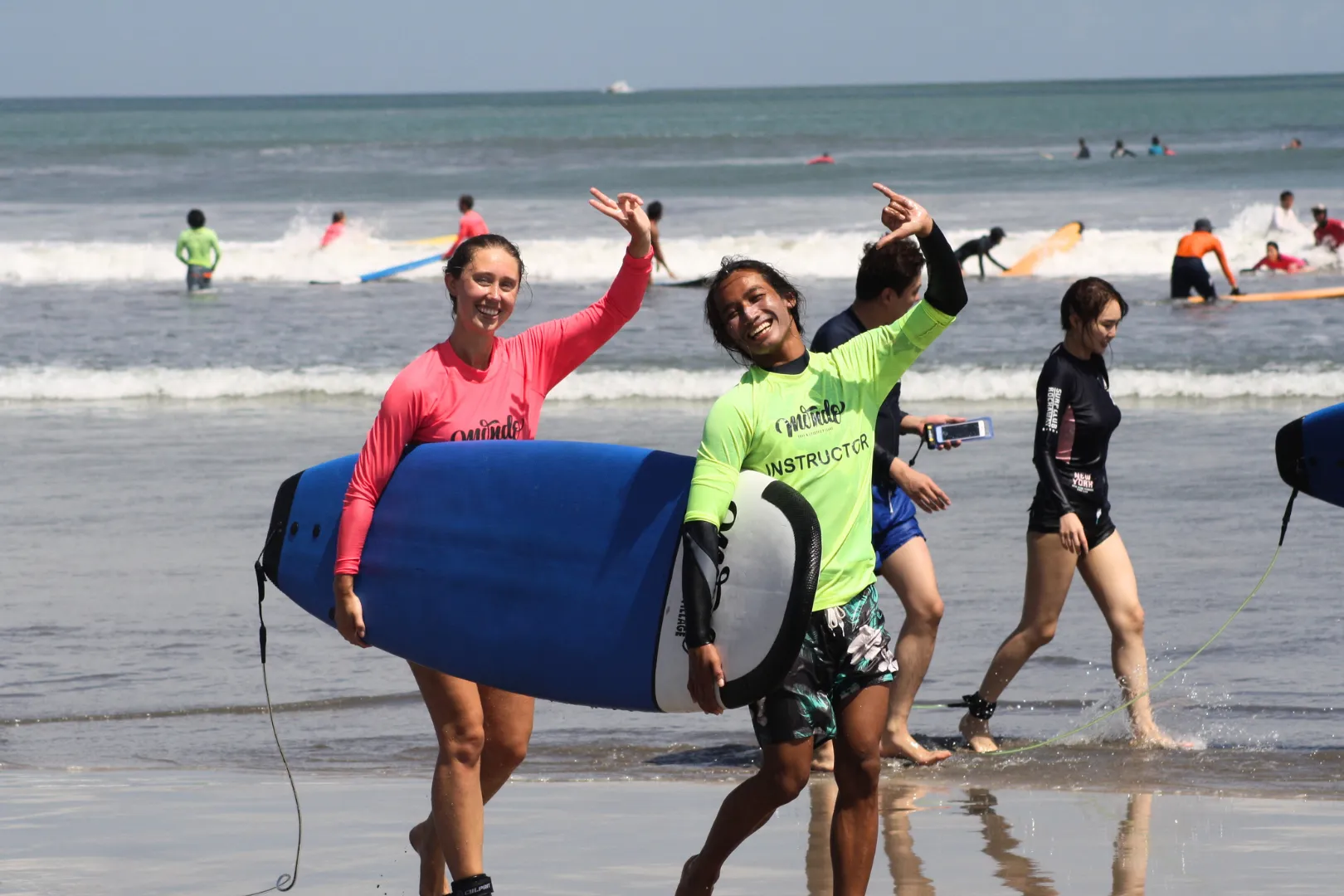
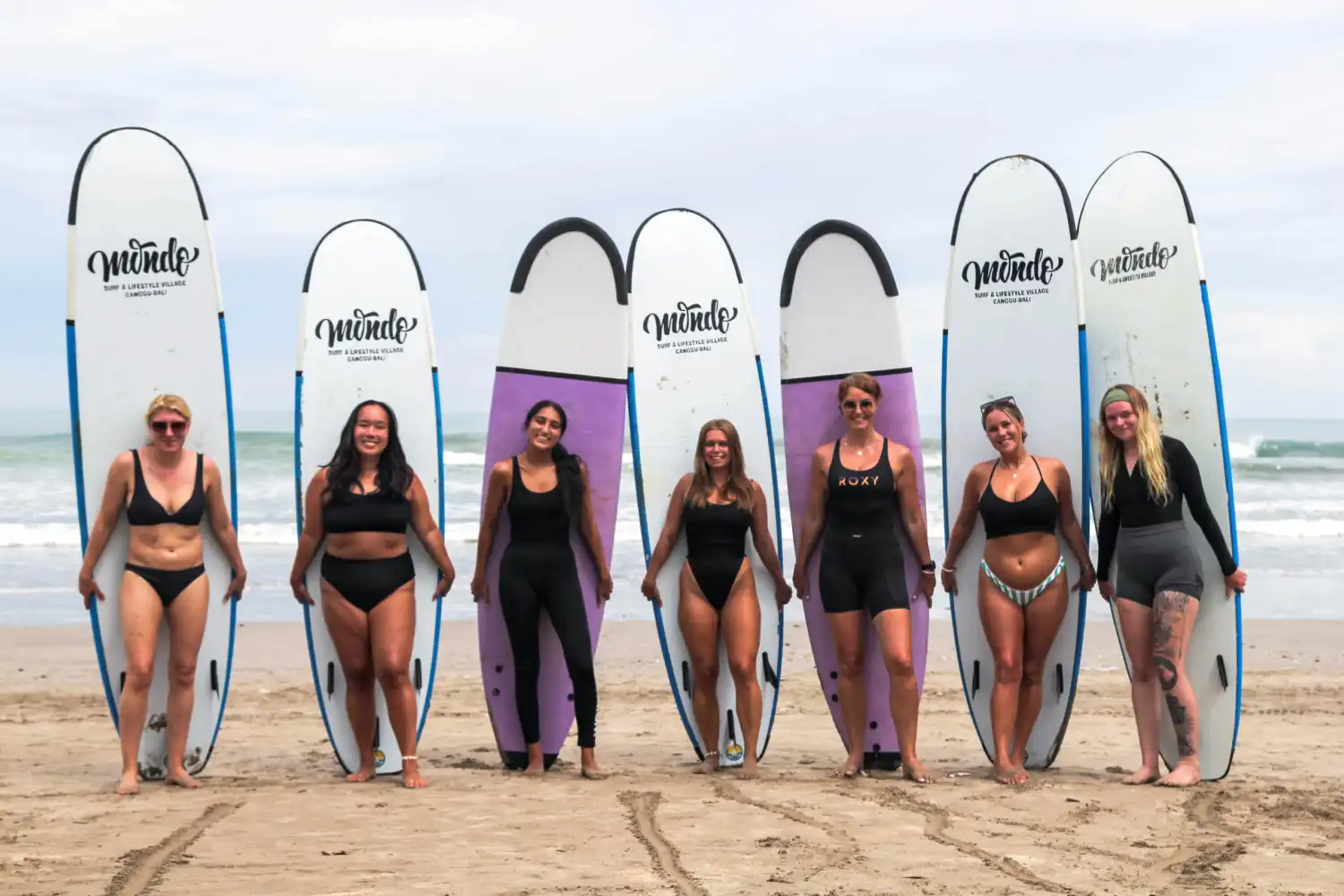
Classic wave surfing on a larger board is the gateway to everything else. The paddling strength, wave reading, and balance you build on a longboard transfer directly to every other branch, whilst the reverse is rarely true. That is exactly how our coaches at Mondo, a surf camp in Bali built around structured progression, start every beginner: stable board, small waves, strong fundamentals.
Frequently Asked Questions About the Types of Surfing
Here are quick answers to the questions surfers ask us most often.
How many types of surfing are there
There is no official count, but most surfers recognise around eight to ten types, ranging from classic board surfing to paddle and wind-powered branches.
What is the most popular type of surfing
Classic wave surfing on a shortboard or longboard is by far the most popular type, practised by millions of surfers worldwide.
Which type of surfing is best for beginners
Longboarding is the best starting point. The board’s stability makes catching waves easier, so you progress faster and enjoy it more.
Do wave pools count as real surfing
Yes. Wave pools produce genuine rideable waves and are useful for practice, although nothing quite replaces reading real ocean conditions.
What is the difference between kitesurfing and windsurfing
Kitesurfing uses a flying kite attached by lines, whilst windsurfing uses a sail fixed to the board. Kitesurfing offers bigger jumps, and windsurfing offers more direct control.
Can you switch between types of surfing
Absolutely. The balance and ocean knowledge from one type carry over to the others, and many surfers enjoy several branches depending on the conditions.
Start With the Classic Type in Bali
No matter where your surfing journey takes you, classic wave surfing is where it all begins. Bali’s warm waters and consistent waves create the perfect environment to learn, while structured coaching helps you build confidence from your very first session. At Mondo Surf Village, every lesson is designed to develop the essential skills that carry across every style of surfing. Not sure which type of surfing is right for you? Start with the fundamentals, and discover what suits you best with Mondo Surf Village.