The difference between high and low tide decides more sessions at Mondo Surf Camp in Bali than the swell forecast does. The same break can look completely different within a single day. In the morning the waves are perfect, and by midday they have gone, purely because the water level changed. This guide explains what actually happens, how each tide shapes the waves, and when you should paddle out.

What Is the Difference Between Low Tide and High Tide
Here is the direct answer before we get into the details.
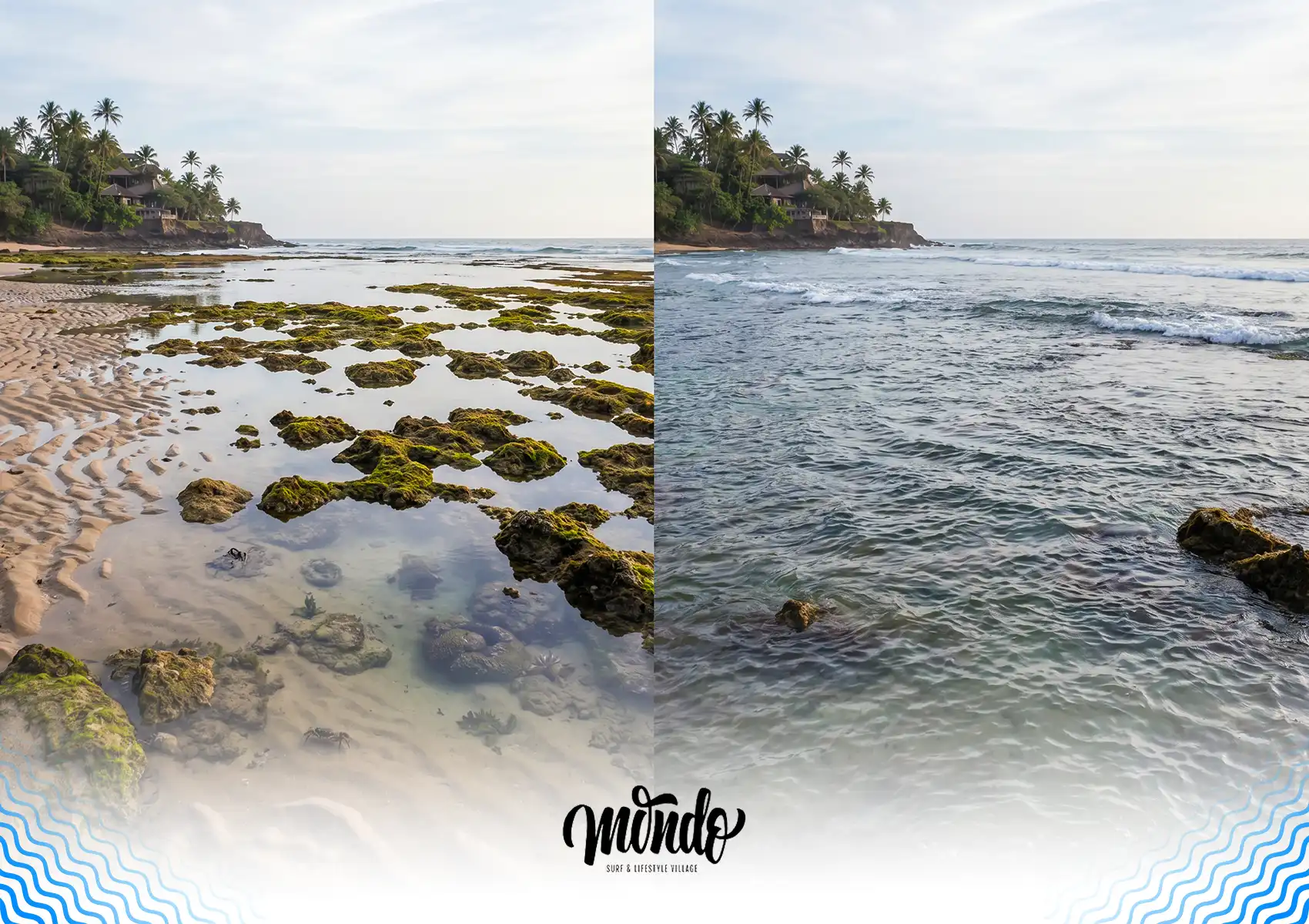
High tide is when the sea reaches its highest level on the shore, and low tide is when it drops to its lowest. The height difference between the two is called the tidal range.
For surfers, the difference comes down to water depth over the break. At high tide, more water covers the sand or reef below, and at low tide, less. That single change in depth transforms how a wave forms, breaks, and rides.
The movement between the two matters as well. A rising tide flowing towards the shore is called an incoming tide, whilst a falling tide is called an outgoing tide.
What Causes the Tide to Rise and Fall
The science behind tides is simpler than it sounds, and understanding it helps you pick the best time to surf.
The Pull of the Moon and Sun
Put simply, the moon’s gravity pulls on the ocean, and that is what makes the water rise and fall. Nearly every coastline experiences two high tides and two low tides each day. The schedule shifts by about 50 minutes each day, so tide times change from day to day.
Spring Tides and Neap Tides
The size of the tide follows the phases of the moon. Around a full moon or new moon, spring tides occur: the highest highs and the lowest lows of the month. Around the quarter moons, neap tides bring much smaller changes. In Bali, the difference is easy to feel, since a spring low can leave the reef almost dry, whilst a neap week keeps conditions calmer all day.
Surfing at High Tide
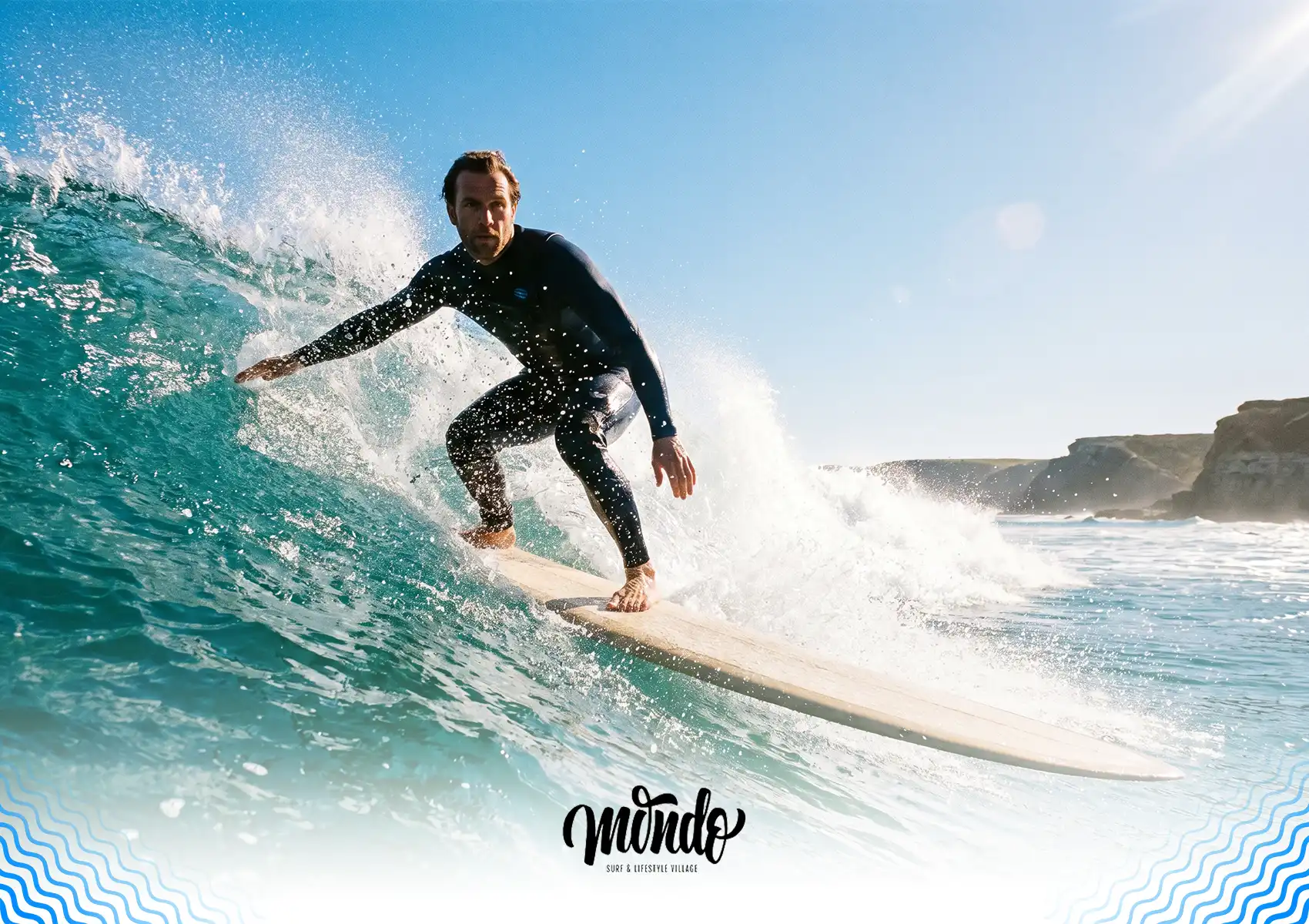
More water over the break changes the wave, for better and for worse.
What High Tide Gives You
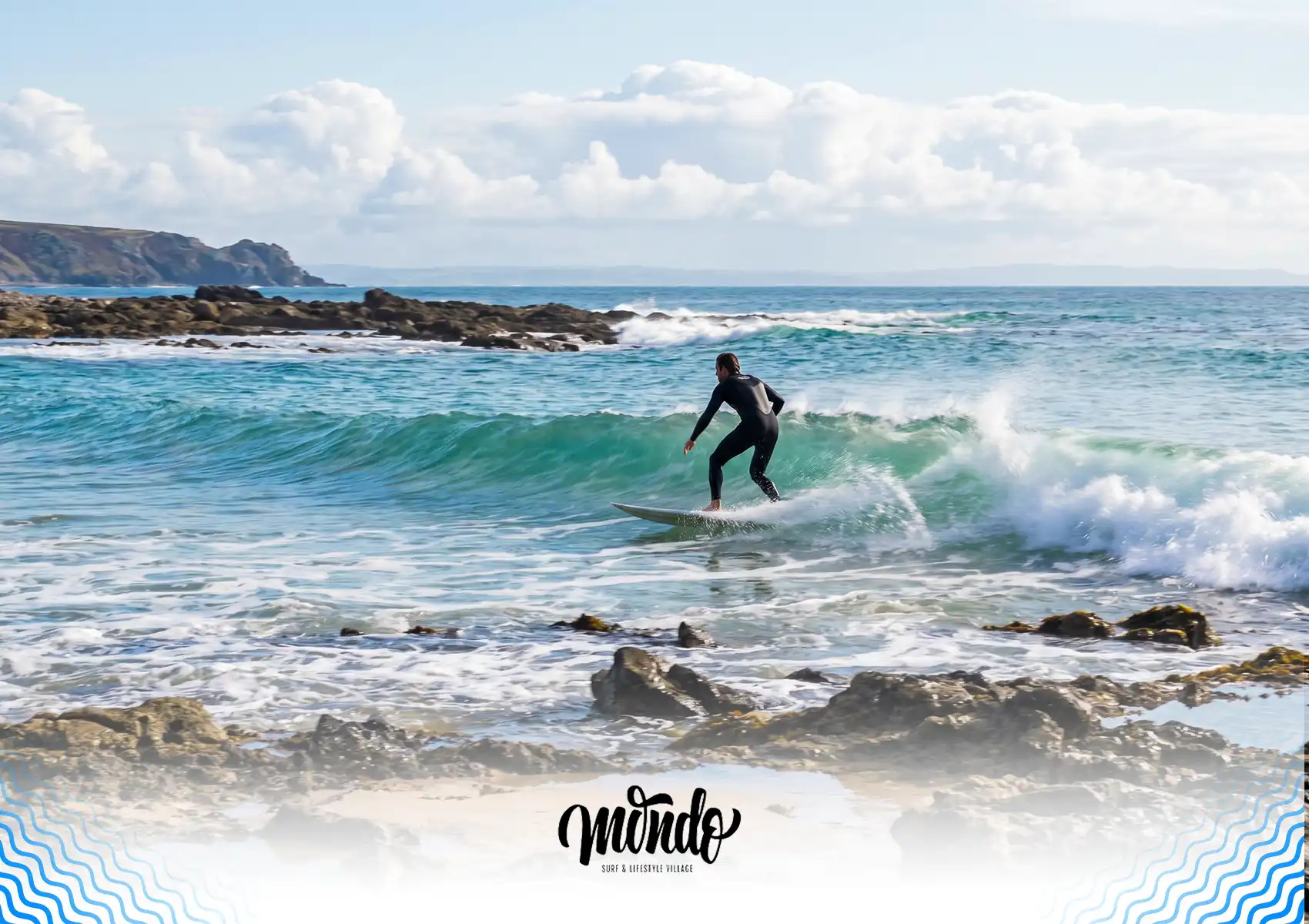
High-tide waves tend to be fuller, slower, and more forgiving, making them kinder to beginners. The deeper water covers the reef or sandbar, gives you more time to paddle into a wave, and softens the consequences of a fall. As a rule of thumb, the hour before peak high tide often delivers the best combination of size and shape.
What to Watch For at High Tide
Too much water can smother a break, leaving fat waves that barely break when the swell is small. Steeper beaches can produce a heavy shore break and backwash at high tide, and popular high tide spots usually draw the biggest crowds of the day.
Surfing at Low Tide
Less water sharpens everything about the wave.
What Low Tide Gives You
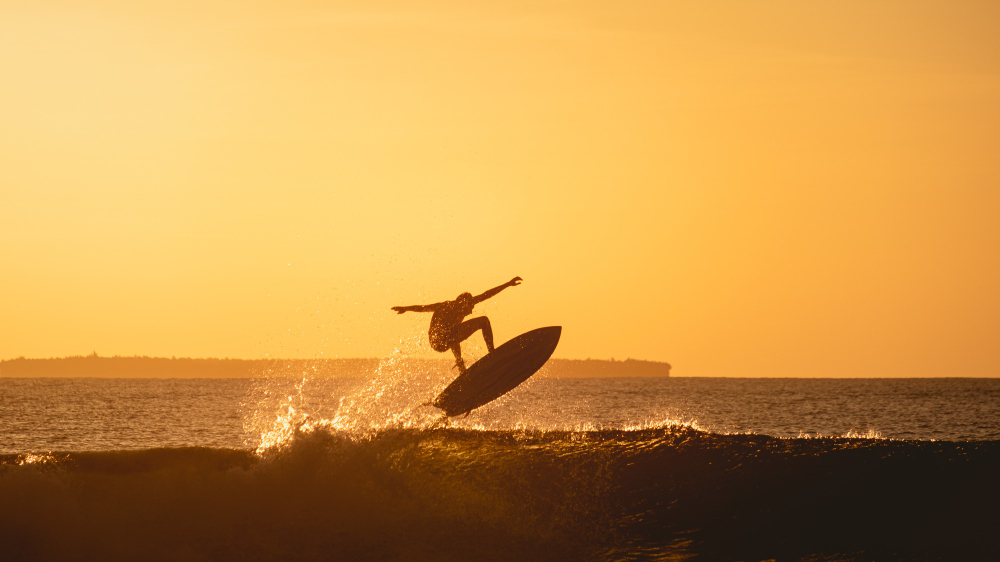
Low tide waves break faster, hollower, and with more punch, which is exactly what experienced surfers chase when they want speed or a barrel. Lineups are often quieter too, since many surfers wait for the tide to fill back in.
What to Watch For at Low Tide
Shallow water exposes the hazards. At many Bali breaks, low tide reveals sharp reef and rocks that sit safely underwater at other times. Waves are also more likely to close out or dump onto the shallows, and as the tide bottoms out, they can turn weak and inconsistent.
Why Surfers Love the Mid Tide
Between the two extremes sits the answer coaches give when beginners ask which tide is best.
An incoming mid tide offers the balance: enough water over the bottom for safety, enough shape in the waves for a proper ride, and the gentle push of the rising tide helping each wave stand up. That is why sessions at Mondo, our surf camp in Bali on the Pererenan coast, are scheduled around the tide chart rather than the clock. The ocean sets the timetable, and we follow it.
Surf the Right Tide With Us in Bali
Knowing the difference between high and low tide is only the beginning. The real advantage comes from surfing with experienced coaches who understand the ocean and know exactly when conditions are right for your ability. At Mondo Surf Village, every surf lesson is carefully scheduled around the tides, giving you the best chance to build confidence, improve your skills, and enjoy every session. Ready to make the most of every wave? Join our surf camp in Bali and discover how much easier learning becomes when you paddle out at the right time.
FAQ About High Tide and Low Tide
Here are quick answers to the questions we hear the most.
How many hours does low tide last
The water sits near its lowest level for around an hour before the cycle turns. It takes roughly 6 hours and 12 minutes to move from low tide to the next high tide.
What is the best tide for beginner surfers?
An incoming mid tide is the sweet spot for beginners. It combines safer water depth with well-shaped, forgiving waves.
Does the tide change at the same time every day
No. The tide shifts about 50 minutes later each day, following the moon rather than the clock.
Why do some Bali surf spots only work at certain tides
Every break has its own seabed of sand or reef, and the tide changes the depth over it. Some reefs need high tide to be safe, whilst other waves only take shape once the tide drops.